

Those wishing to produce “community liquor” must not forget to obtain a license from the Excise Department. For non-commercial purposes, production is limited to no more than 200 liters per year. Here is an overview of the basic conditions and criteria related to this.
After the Community Liquor Act came into effect on 6 Jun 2025, it marked an important step in revising the law to properly promote community liquor producers. This law increases economic opportunities for farmers, community enterprises, and small business operators across the country.
A key point of this law is the amendment of Section 153 of the previous act, requiring anyone wishing to produce liquor or possess distillation equipment to submit a license application to the Director-General of the Excise Department and comply with prescribed criteria, methods, and conditions. The forthcoming ministerial regulations will encourage groups such as farmers, cooperatives, community enterprises, agricultural organizations, or small entrepreneurs to apply for commercial liquor production licenses using domestic agricultural raw materials. The produced liquor may have color or aroma.
"Community Liquor" refers to alcoholic beverages produced at the community level, including infused liquors like Usato and distilled spirits. Distilled spirits (distilled beverages) of the white liquor type are made by fermenting sugar-containing plants such as sugarcane, rice, or corn combined with yeast. When yeast consumes all the sugar, natural alcohol like Sato is produced, which is then redistilled to create white liquor free from coloring or additives.
In recent years, community liquor has gained wider attention regarding quality, taste, and backstory. Community distilled white spirits, also called white liquor or wild liquor, are featured in educational events about community liquor and gatherings of producers striving to develop community liquor’s recognition to stimulate the grassroots economy and promote Thai community liquor to drinkers worldwide.
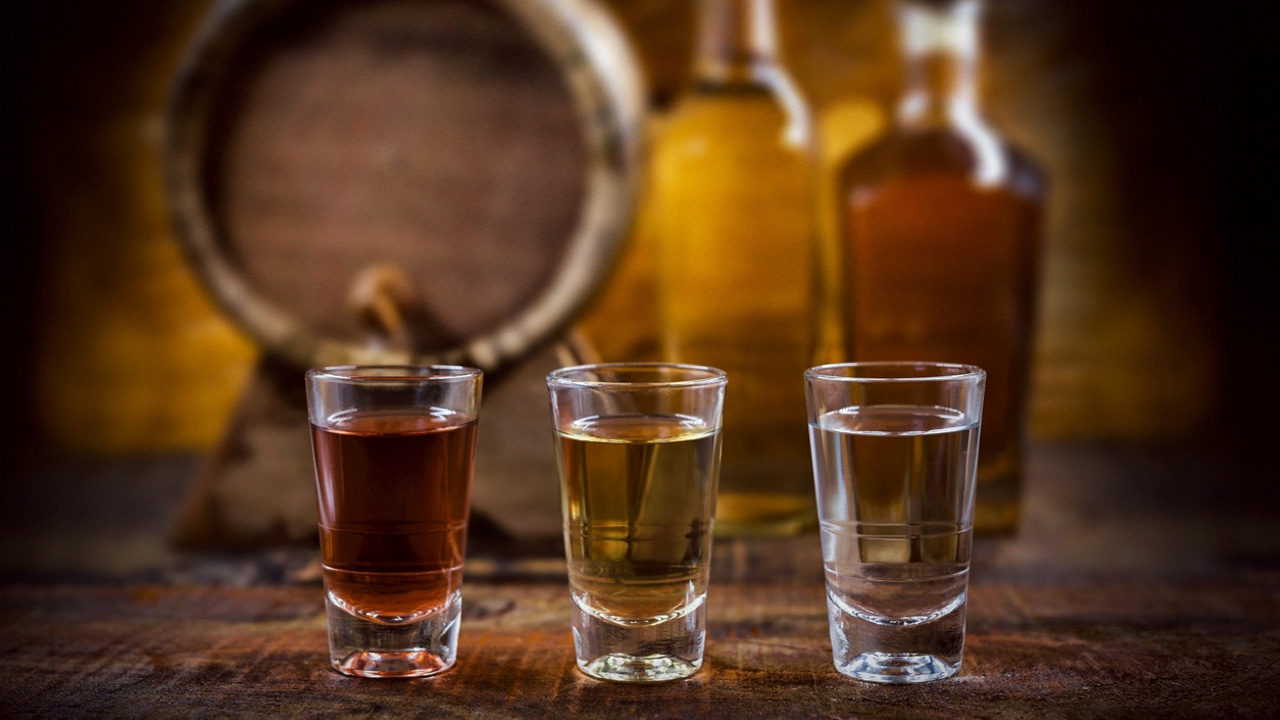
The differing colors of community liquor reflect production methods and the raw materials used locally. For example, crystal clear or white liquor results from distillation that extracts only alcohol and volatile aromas. Distilled liquor is the most popular in communities, appearing clear or white, which is the natural color of alcohol after distillation without aging.
Brown Spirit: Community liquor aged in oak or local wood barrels, showing colors from golden yellow to light or dark brown, reflecting the “time” spent aging. The darker the color, the longer the aging or the influence of the wood used on flavor.
Herbal or medicinal infusions: Color varies depending on ingredients used for infusion, such as dark brown from bark or red from certain herbs, giving a unique local character.
Infused liquors (such as Usato): Typically have a yellowish, translucent brown, or slightly cloudy white color depending on main ingredients like glutinous rice or jasmine rice.
Examples of Thai community liquors
Certainly, not just anyone can produce “community liquor” because a license from the Excise Department is required. Whether it is infused liquor, white distilled liquor, Sam Thap liquor, or other distilled liquor types, the licensing criteria and conditions differ. For commercial production licenses, all applicants must be legal entities or community enterprises. Production sites must not be in residential areas (only agricultural or industrial zones according to standards) and must have proper wastewater treatment systems.
You can review the criteria and conditionshere.
However, for non-commercial liquor production licenses, the criteria and conditions are less stringent: applicants must be individuals aged 20 or older, cooperatives, community agricultural enterprises, or 100% Thai legal entities. The production site must be sufficiently spacious, not cause hazards or nuisance, and not be the licensed production site of another licensee. Importantly, production for personal consumption is limited to no more than 200 liters per year.
ReferencesExcise Department