

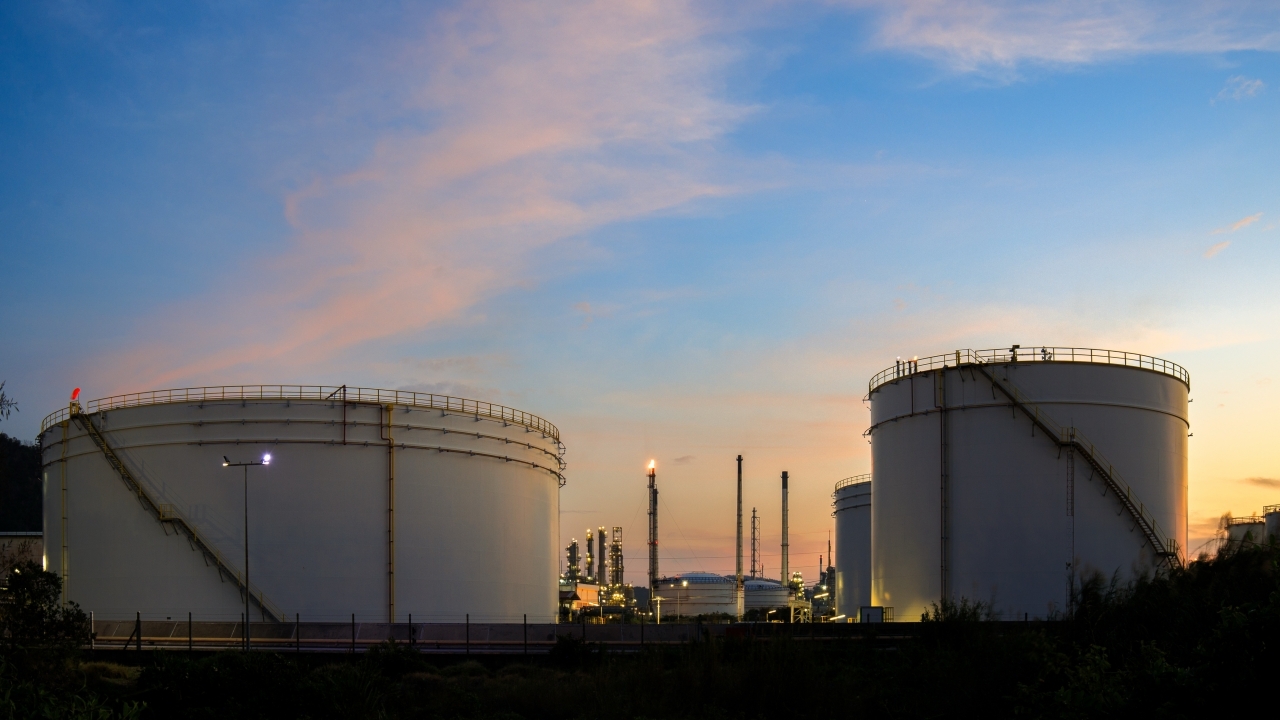
Analysts observe that the conflict in the Middle East has affected profitsof "refineries"in Asia, turning them negative after having surged in early March; near-term returns to positive margins are difficult.
The conflict in the Middle East has caused global oil prices, including in Thailand, to rise continuously, leading many to assume that"oil refineries"might be making huge profits. However, the reality reflected in global markets shows that Asian refineries, referencing refining margins in the Singapore market (Singapore GRM), which serves as a benchmark for refinery profits in Asia, have entered a"negative"phase after previously soaring in early March. The war has disrupted crude oil transportation, causing oil prices to fluctuate.
It has also created a"perfect storm"in the refining industry, such as crude supply interruptions and shipping disruptions through the Strait of Hormuz, affecting refineries in Singapore and Southeast Asia, forcing them to reduce production capacity.
Freight costs have skyrocketed, causing massive increases in oil import expenses. Some freight routes have surged by up to 842% due to war risk premiums. Additionally, weakened demand from high prices is impacting real consumption in aviation and industry, narrowing the price spreads of refined oil products.
Industry insiders report that the negative Singapore refining margins"do not even include transportation costs."This means that refineries might be losing more than the reported figures suggest.
For example, freight costs for Aframax (medium-sized) vessels have risen from $2.46 per barrel to $9.46 per barrel. Shipping routes have had to be altered to avoid risky areas, increasing transit time and fuel costs correspondingly.
It is not only Singapore facing problems; refineries in India, which rely heavily on Middle Eastern oil, are alsostrugglingwith uncontrollable logistics costs. Even complex refineries are trying to find alternative oil sources, but overall profits remain squeezed with minimal margins.
Therefore, the initial"panic buying"at the start of the war only temporarily raised refining margins. Currently, the market faces structural pressures. Analysts believe that in the near term, a return to positive refining margins is unlikely unless Middle East tensions ease and transportation costs remain high.