

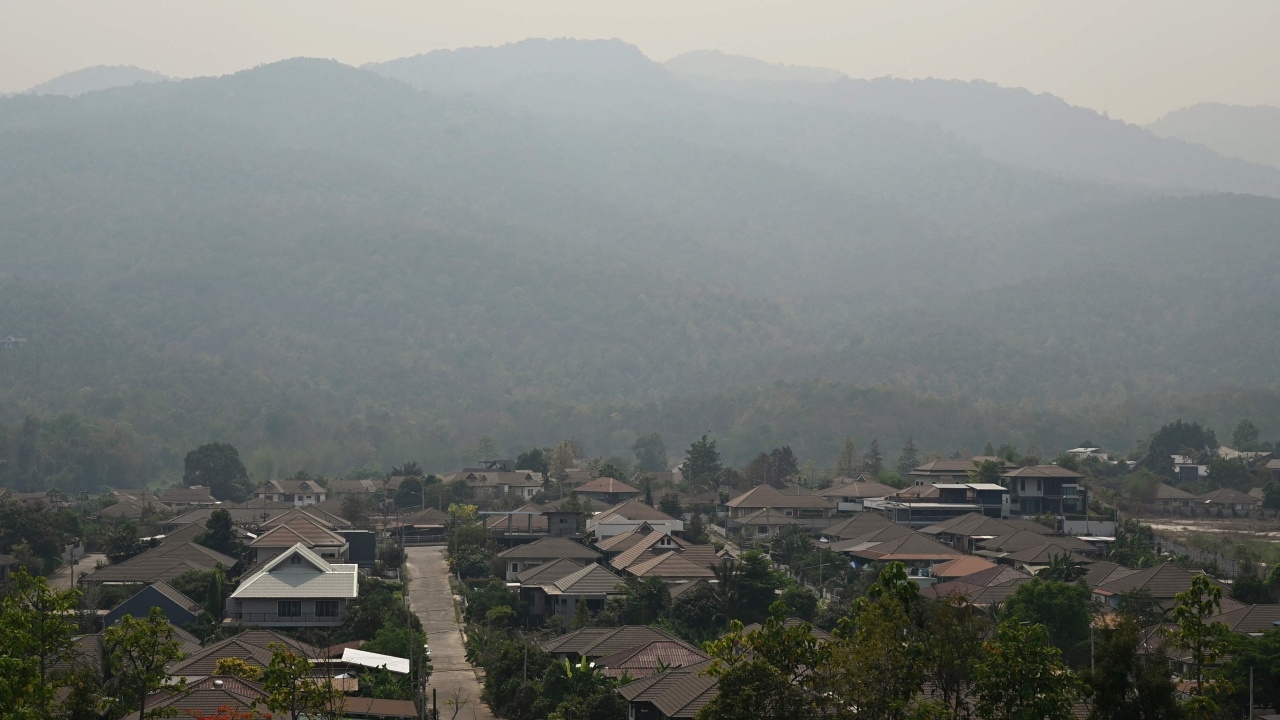
The northern region faces a severe PM2.5 haze crisis with rising levels seriously affecting health. Doctors from Chiang Mai University warn of risks to respiratory, lung, heart, vascular diseases, and chronic conditions.
On 28 March 2026, reporters reported that the haze situation in the northern region has intensified recently, causing sharp increases in fine dust particles, especially PM2.5 and PM10, in many areas. Doctors at Chiang Mai University's Faculty of Medicine expressed concern for the public and advised on proper self-protection to avoid short- and long-term health impacts.
Associate Professor Dr. Attawut Deesomchok, head of the Respiratory, Critical Care, and Allergy Unit, Department of Internal Medicine, Faculty of Medicine, Chiang Mai University, revealed that a study by the unit, led by Emeritus Professor Dr. Chaicharn Phothirat and colleagues, found that during periods of high PM10 levels, there is an increase in acute exacerbations among asthma patients, those with chronic obstructive pulmonary disease (COPD), and acute pulmonary embolism. It also affects quality of life and lung function in COPD patients.
PM10, or coarse particles, are airborne dust particles with diameters between 2.5 to 10 microns. These particles have been linked to increased mortality rates from COPD, cardiovascular diseases, and severe infections during times of high PM2.5.
Meanwhile, PM2.5 consists of very fine particles no larger than 2.5 microns in diameter, considered more dangerous because they can penetrate deep into the lungs' alveoli and enter the bloodstream. Their main sources include combustion such as agricultural burning, waste burning, industrial processes, vehicle exhaust, cigarette smoke, and incense smoke.
When PM2.5 particles enter the body, they often carry toxic gases such as carbon monoxide, sulfur dioxide, nitrogen dioxide, and various carcinogens, which can cause symptoms like coughing, sneezing, nasal irritation, breathing difficulties, eye irritation, and skin itching.
Long-term exposure to PM2.5 increases risks of respiratory infections, reduced lung function, cardiovascular diseases, strokes, and cancer. It may also affect pregnancy outcomes, including premature birth and low birth weight.
Currently, Thailand's standard limits the average 24-hour PM2.5 concentration in the atmosphere to no more than 37.5 micrograms per cubic meter.
While the haze situation remains severe, the public should closely monitor PM2.5 levels and adhere to the following guidelines:
However, if experiencing severe symptoms such as persistent coughing, difficulty breathing, chest tightness, or intense respiratory irritation, seek medical attention promptly for proper diagnosis and treatment.