

(Illustration)
DSI is preparing to compile a case on "oil hoarding" to submit to the Special Case Board, rushing to gather irregularities both on land and at sea in March 2026. Task force data from inspections of six major oil depots in Surat Thani has already identified one site suspected of hoarding 2 million liters. Investigations at other locations will continue, while the scope of the probe—whether focusing on major players or including minor related offenses—is still pending approval.
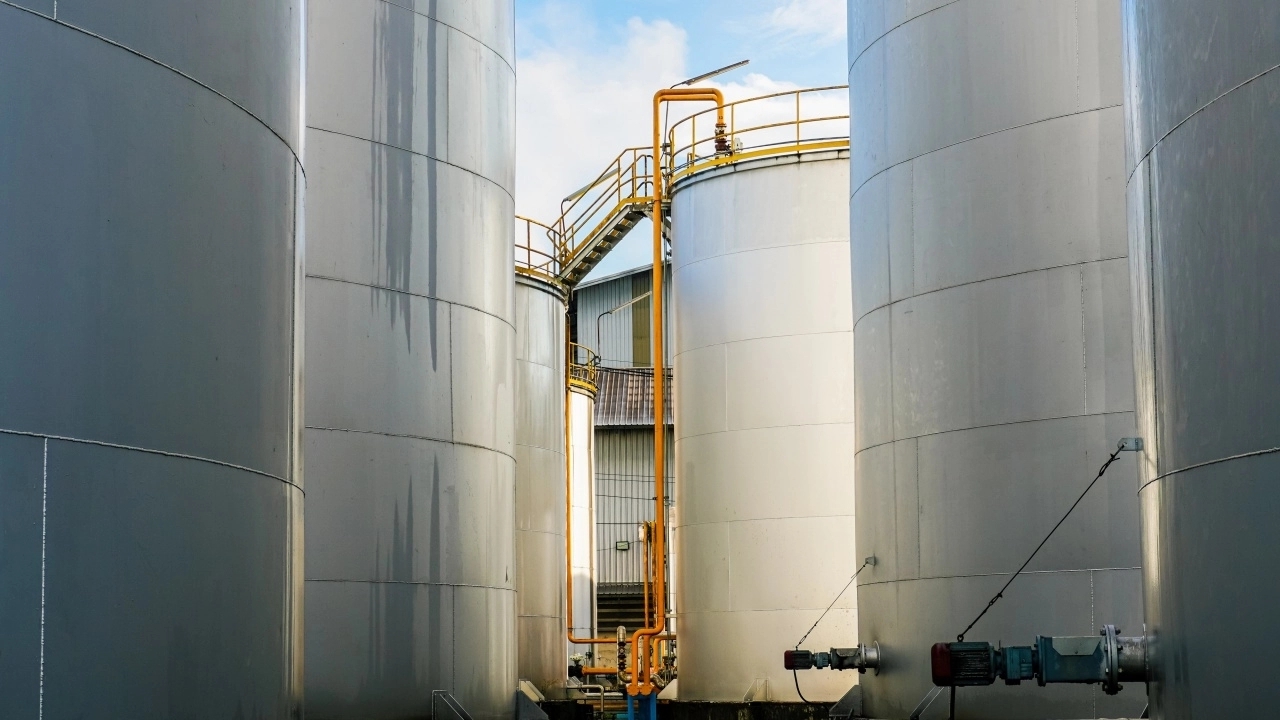
On 3 April 2026, reporters reported that following Prime Minister Anutin Charnvirakul’s announcement assigning the Department of Special Investigation (DSI) to handle the matter as a special case, a joint task force from DSI and related agencies inspected six oil depot sites in Surat Thani. They found certain depots exhibiting suspicious oil distribution patterns indicative of hoarding for speculative profit, especially during March when oil fund compensation rates were reduced.
Preliminary findings suggest violations under the 1999 Trade and Services Act, as fuel stock volumes in March showed more fuel received into depots than sold, contrasting with February’s normal business pattern where inflow and outflow were roughly balanced.
Furthermore, hoarding of petroleum products, refusal to sell, or unjustified delays in sales—particularly by large depots—threatens national security and public order, constituting an offense. Initially, the provincial commerce office may file complaints to Surat Thani police or directly to DSI. If the commerce office files to the police first, once DSI accepts it as a special case, the investigation files and details can be transferred to DSI for further action.
Regarding irregularities found at six large oil depot companies in Surat Thani on 1 April, task force data indicated one major Southern fuel trader hoarded over 2 million liters. In February, the company sold 1.7 million liters, but in March—after oil fund compensation rates were reduced—it sold only 400,000 liters, leaving an abnormally large amount of oil stockpiled. Investigations at other sites will be expanded.
The Maritime National Interest Protection Center (ศรชล.) found increased irregularities in shipping activities in March, notably significantly slower voyages, possibly causing oil hoarding through delayed travel. The volume involved due to delayed trips is estimated at 50 million liters. DSI has been coordinating continuously with ศรชล., requesting them to intercept and investigate concurrently.
Regarding Police General Thatchai Pitanilabutr, Deputy National Police Chief and Director of the Fuel Crime Suppression Center, investigations into oil transport and hoarding in Ang Thong, Tak, and Nakhon Sawan provinces—linked to fuel traders under Sections 7 and 10—will be further discussed by DSI to determine if these cases fall under their special case review, as these are considered minor fuel-related offenses in March.
If DSI accepts this as a special case, all investigative data on oil hoarding from related agencies will be transferred into the special case file. However, the Special Case Board’s decision is awaited to determine whether to include minor oil hoarding offenses or focus solely on major depot cases.
DSI will initially base investigations on violations of the 1999 Trade and Services Act. Since this is a different criminal offense, approval from the Special Case Board is required before the DSI Director-General can designate it a special case. Once the case is submitted and accepted by the board, members will decide which aspects to investigate and the scope of the case. Upon board approval, the DSI Director-General will appoint special case investigators, possibly including officials from other agencies.
For submission to the Special Case Board requesting approval to investigate as a special case, DSI must first gather complete information from all related agencies. The case is expected to be submitted sometime next week.