

Thairath Online
Thairath Online

Starting Today: Easy DIY Household Waste Separation Methods to Turn Trash into Money and Merit

Local07 Apr 2026 15:53 GMT+7

Share

Starting Today: Easy DIY Household Waste Separation Methods to Turn Trash into Money and Merit

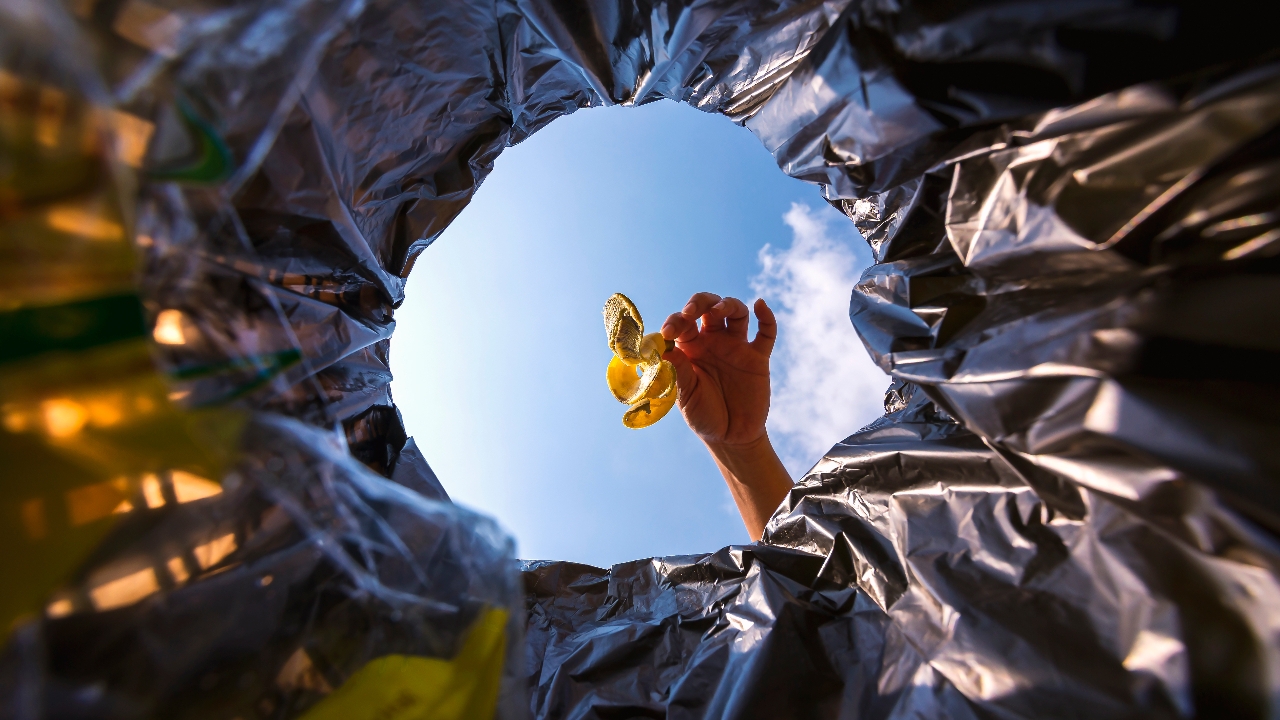
Waste management does not start at the garbage truck but begins at "our hands" in the kitchen! Correct household waste separation not only reduces city overflow but also generates income and prepares you to professionally pass waste on at various eco-friendly events, especially the major event by Bangkok Metropolitan Administration on 8 April, ready to receive recyclables and old items from your hands.

How to separate each type of waste?

1. Separate organic waste (wet waste) – the key to "no mixing"

Food scraps and fruit peels are the main causes of other waste becoming dirty and smelly.

  • How to manage: Separate into a tightly covered bin or a "no mixing" bin.
  • Benefits: Used for composting or given to Bangkok Metropolitan Administration to process into organic fertilizer, reducing contaminated leachate waste problems.

2. Separate recyclables – "dry and clean" is the golden rule

This waste can be turned into money or merit if handled correctly.

  • Plastic: Rinse with clean water and dry (PET bottles, stretch plastics).
  • Paper/metal/glass: Flatten cardboard boxes, gather aluminum cans and glass bottles together.
  • Special: Old underwear of all brands (men and women) can be collected for donation in the Wacoal Braday project.

3. Separate worthless waste that can be used as fuel (RDF)

Waste that is hard to decompose and not worth recycling, such as snack wrappers and plastic bags stained with oil.

  • How to manage: Collect separately in bags to send to pollution-controlled incinerators to produce alternative fuel energy instead of landfill.

4. Separate hazardous waste and "used oil"

Batteries, light bulbs, spray cans, and used cooking oil.

  • Tips: Do not pour used oil down drains! Filter and store in a tightly sealed plastic bottle to exchange for "new cooking oil" (1 liter of used oil can be exchanged for 250 ml of new oil) at the Mobile Magic Hands event.

"How to separate waste bins by color" updated for 2026 that Bangkok residents must know.

Ever wondered? Which color bin should you throw your waste into? "How to separate waste bins by color" is not just about orderliness but is the key to sustainable waste management, especially in the "no mixing" campaign that emphasizes source separation. Today, Thairath Online summarizes the meaning of all four bin colors simply. Proper disposal guarantees valuable waste.

Green bin: Organic waste (food scraps)

This bin is the most important in the "no mixing" project because it contains the largest volume of waste and spoils easily.

  • What to throw: food scraps, fruit peels, vegetable scraps, animal meat scraps, coffee grounds.
  • Advice: Drain water as much as possible before disposal to reduce odor and leachate.
  • Destination: used for compost or biogas production.

Yellow bin: Recyclable waste (dry waste)

This waste is "cash" in material form and must be clean and dry.

  • What to throw: plastic bottles (PET/HDPE), aluminum cans, paper boxes, glass bottles, magazines.
  • Advice: For water bottles, pour out all water and flatten to save space.
  • Destination: returned to the production cycle (Circular Economy).

Orange (or red) bin: Hazardous waste

Waste containing contaminants, flammables, or toxins must never be mixed with other waste.

  • What to throw: batteries, light bulbs, spray cans, mobile phone batteries, printer cartridges.
  • Advice: If disposing of broken light bulbs, wrap securely in paper for worker safety.
  • Destination: disposal by environmentally safe specialized methods.

Blue bin: General waste

Waste that is hard to decompose and not worth recycling but can be used as fuel (RDF).

  • What to throw: snack wrappers (multilayer plastic), candy wrappers, plastic bags stained with food, foam boxes, used tissues.
  • Destination: sent to incinerators for electricity generation or sanitary landfill.


Household waste separation is not difficult; just start by "separating wet waste from dry waste" and you will greatly help the city. Prepare separate bags and collect recyclables, used oil, and old underwear to meet on Wednesday, 8 April 2026, at Bangkok City Hall, Sao Chingcha.

Read related news