

Disease Control Office Region 9 warns farmersand those exposed to soil and water about the risk of "Melioidosis" or soil fever in four lower northeastern provinces, with a cumulative 129 cases, highest in "Buriram." Prevention tips and warning signs to seek prompt medical care are advised.
On 19 April 2026, Mrs. Inchart Sukkasem, acting director of the Disease Control Office Region 9 in Nakhon Ratchasima, revealed thatDisease Control Office Region 9in Nakhon Ratchasima is concerned for the public as cases of "soil fever" or melioidosis have been continuously reported recently.
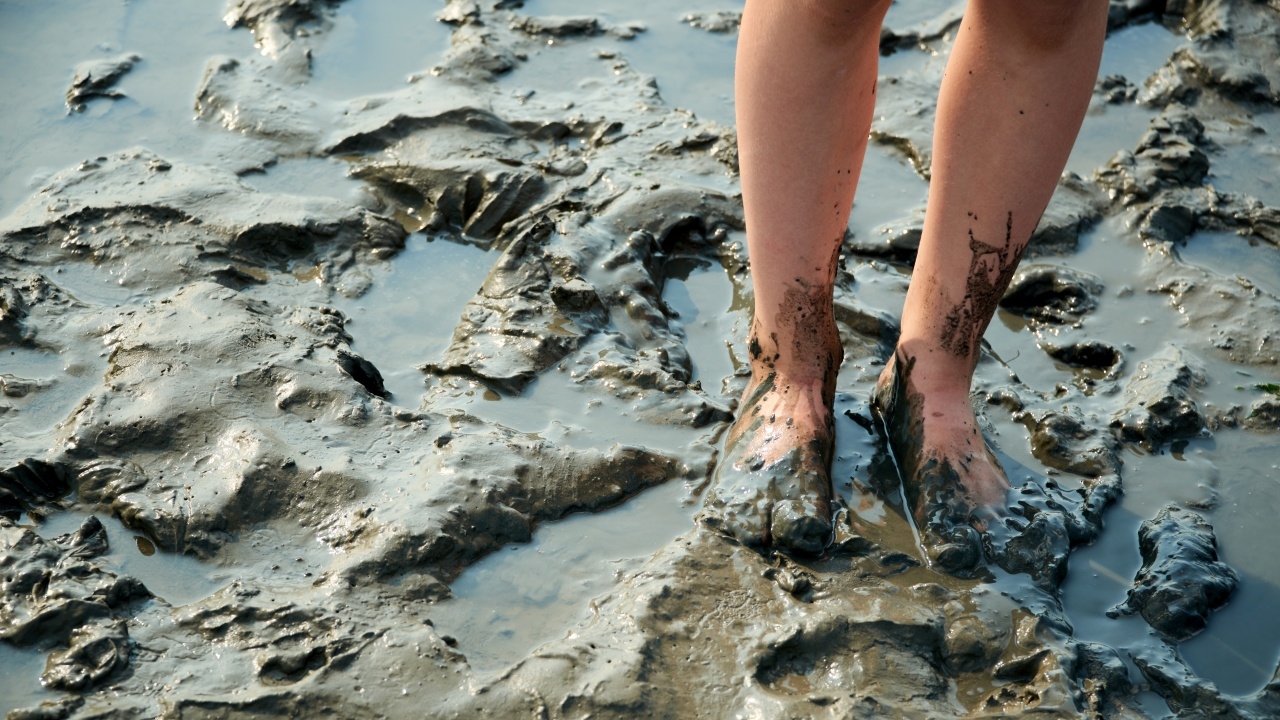
Especially high-risk groups include farmers and those working in prolonged contact with soil and water, as well as chronic patients and the elderly. They should avoid walking barefoot or soaking feet in water for long periods, as this increases the risk of soil fever infection. If unavoidable, wearing boots, rubber gloves, and long pants is recommended. After tasks, promptly wash the body thoroughly with soap and clean water, and monitor for symptoms such as persistent high fever, seeking medical attention immediately.
Soil fever, also known asmelioidosis,is caused by the bacterium Burkholderia pseudomallei, commonly found in soil, water, rice fields, farms, and rubber plantations throughout Thailand. High-risk groups include those regularly exposed to soil and water, such as farmers, field workers, fishermen, those wading in water, vegetable gardeners, rubber plantation workers, or those working in muddy conditions.
Also at risk are individuals with underlying conditions such as diabetes, chronic kidney disease, thalassemia, tuberculosis, immunodeficiency, cancer, and alcoholism. The bacterium can enter the human body through skin contact with contaminated soil and water, even without skin cuts, especially after prolonged exposure. Infection routes include 1. Contact with contaminated soil or water; 2. Ingesting contaminated water or food, or aspiration of contaminated water; 3. Inhaling dust particles containing the bacteria. Symptoms typically develop 1-21 days after exposure,
but in some cases may take years, depending on bacterial load and individual immunity. Symptoms are nonspecific and vary, resembling other infectious diseases. These include high fever, skin abscesses, respiratory symptoms, localized or disseminated infections that can affect multiple organs and may be fatal.
Regarding the melioidosis situation in Health Region 9 from 1 January to 17 April 2026, there have been 129 cumulative cases, representing an incidence rate of 1.95 per 100,000 population, with 8 cumulative deaths, a mortality rate of 0.12 per 100,000 population. The breakdown by province is as follows:
To prevent soil fever or melioidosis, the following practices are recommended:
1. Avoid direct contact with soil and water. If contact is necessary, wear protective equipment such as boots, rubber gloves, long pants, or waterproof suits, especially when farming, fishing, wading, or working in muddy areas.
2. After contact with soil or water, immediately wash the body with clean water and soap. If there are skin wounds, promptly treat with antiseptics, avoid applying soil or herbs to wounds, and avoid soil and water exposure until fully healed.
3. Boil water sourced from natural sources such as groundwater or rainwater before drinking.
4. Maintain good health and reduce risky behaviors harmful to health, such as alcohol consumption and smoking.
If experiencing sudden high fever, headache, or body aches, promptly seek medical attention and inform the doctor about any recent water exposure to ensure timely diagnosis and treatment based on severity. For more information, contact the Disease Control Department hotline at 1422.