

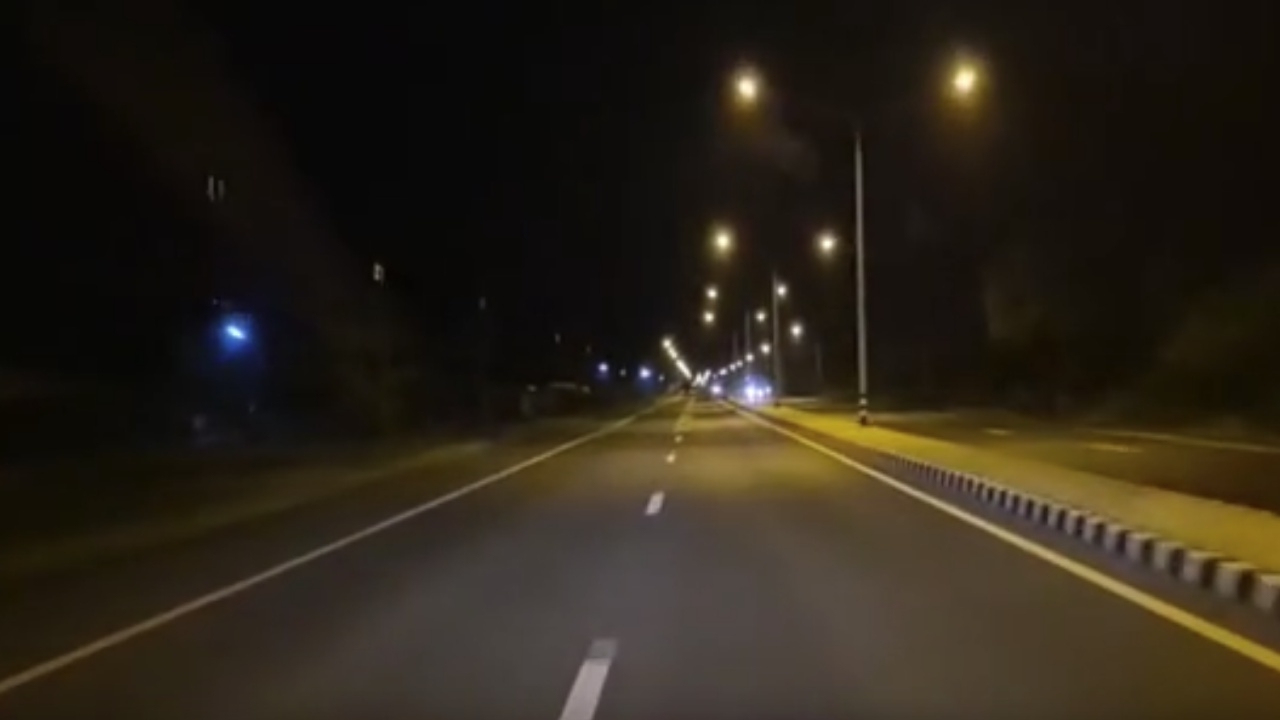
Residents of Buriram are divided over the policy to turn off streetlights to reduce energy use, effective 1 May 2026. Some locals worry it could increase accident risks and create opportunities for crime, while others support it, believing that shutting off lights at multiple locations nationwide would help save energy and benefit the country. They say it will not affect daily life, and accidents mostly result from carelessness rather than lighting.
On 28 April 2026 in Buriram Province, reporters surveyed opinions from residents, farmers, and vendors in Non Din Daeng District after the government announced plans to turn off lighting on certain rural highways and locations to conserve electricity. The policy is set to begin on 1 May 2026. The community expressed a variety of views, with some supporting and others opposing the measure.
Those opposing the shutdown believe turning off streetlights on rural highways could increase the risk of accidents, especially for motorcyclists traveling at night, such as those going to hospitals or tapping rubber trees in the middle of the night, who rely on lighting to see the road. They also worry that darkness might provide opportunities for crime in isolated areas, threatening the safety of people's lives and property.

Conversely, some residents support the measure, seeing it as appropriate given the country's rising energy costs. They view reducing electricity use at unnecessary points as a way to save energy and reduce the government's long-term expenses.
However, many suggest that if this measure is implemented, it should be done carefully by selecting only low-risk locations or setting suitable time periods to maintain a balance between energy savings and public safety.
A reporter also interviewed a man who commented on the electricity-saving measure, saying, “It's okay, it helps the country by saving electricity.”
When asked if he thought it would be dangerous for nighttime travelers, the man replied, “No, I don't think there will be problems because vehicles already have their own lights.”
“Personally, I see this policy as saving electricity and helping the government. It shouldn’t have any negative effects. People managed to travel before, so if multiple rural highway sections are turned off, I think it would help a lot in this situation.”