

Warning as a cautionary tale A "middle-aged man" ordered hair dye online and suffered a severe allergic reaction with scalp sores and pus oozing across his face.
In a case involving a Facebook user named Khun Weng Khaotomplaszing Ratchaburi who posted a video along with the caption"The hair dye ruined my hair. Pus is oozing, my forehead is swollen, and the area where I applied it near my ear is affected. Wherever it touched my body it itched and burned. I'm not attacking anyone; maybe I just reacted badly (some people don't have allergies, but mine was severe). It burns, itches, and pus oozes, even sticking to my hair. My hair is thin and sparse. I went to the doctor and got anti-inflammatory medicine. I have to wrap my head like this because I can't sleep; moving my head against the pillow is painful. (I’m not blaming anyone, just warning people to be careful. Try testing on your skin a few days before dyeing your whole scalp.) It burns and itches, pus is oozing, and my hair is falling out. What should I do? Can anyone help?"
After the post went viral, many people commented with their views.
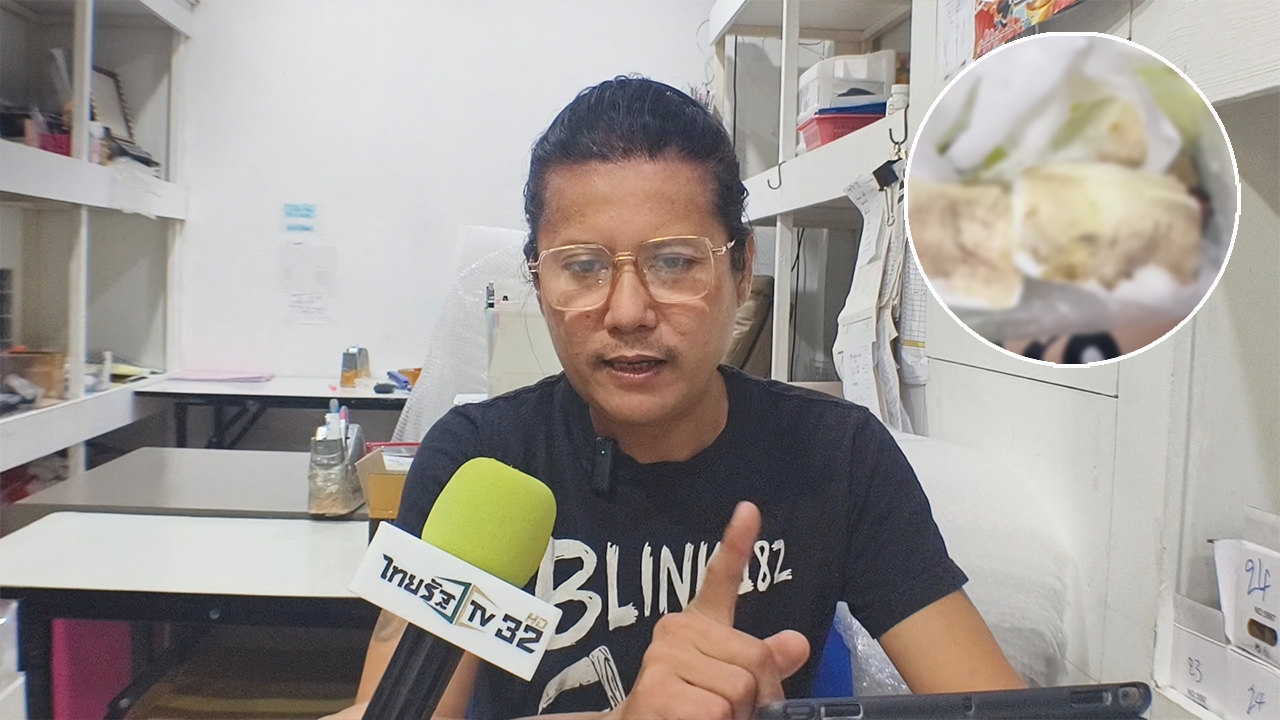
On 13 May 2026, a reporter met Mr. Weng, or Mr. Phichit Saetan, 44, a well-known congee vendor in Ratchaburi Municipality and the author of the post.
Mr. Weng explained that he ordered the hair dye from TikTok after seeing what appeared to be a credible advertisement claiming the product was made from natural extracts and was inexpensive. He began using it on 9 May, but only five minutes after application, he experienced intense burning and itching. Despite quickly washing his hair and taking antihistamines hoping to improve his condition, the symptoms persisted.
By the next morning, the skin on his face where the dye had been applied was abnormally tight, with thick pus oozing all over his face and scalp. He developed swelling, redness, and itching all over his body. The swelling and inflammation worsened, and the skin on his torso became severely burned and itchy, causing scratch marks all over. His family rushed him to see a doctor.
Doctors diagnosed severe scalp inflammation with red wounds but could not identify the specific chemical causing the allergy. Attempts to contact the seller for responsibility were rejected; the seller claimed the buyer did not carefully read the warnings, although the product lacked Thai labeling and only had foreign language information.
He then consulted the Damrongtham Center, which only referred him to the Consumer Protection Board. Subsequently, he sought help from Ratchaburi provincial public health authorities, who coordinated with the Food and Drug Administration (FDA). The FDA found that the hair dye did not have proper registration. He plans to travel to Bangkok for specialized hospital tests to identify harmful substances and intends to take legal action against the seller.
He has filed a report at the Ratchaburi City Police Station and tried to contact the seller’s page again but received no reply before the page disappeared. Later, allergy warning labels appeared on the product. He frequently shops online but this was his first beauty product purchase. He posted the video and message to warn others.
He concluded with a warning not to trust reviews or seemingly credible ads blindly and to always verify FDA registration marks and clear usage instructions before applying products to one’s body.