

;
Thairath Online
Thairath Online

DDPM Warns of Heavy Rain Risks for Flash Floods, Downstream Areas to Prepare for Water Influx

Local26 Sep 2026 13:12 GMT+7

Share

DDPM Warns of Heavy Rain Risks for Flash Floods, Downstream Areas to Prepare for Water Influx

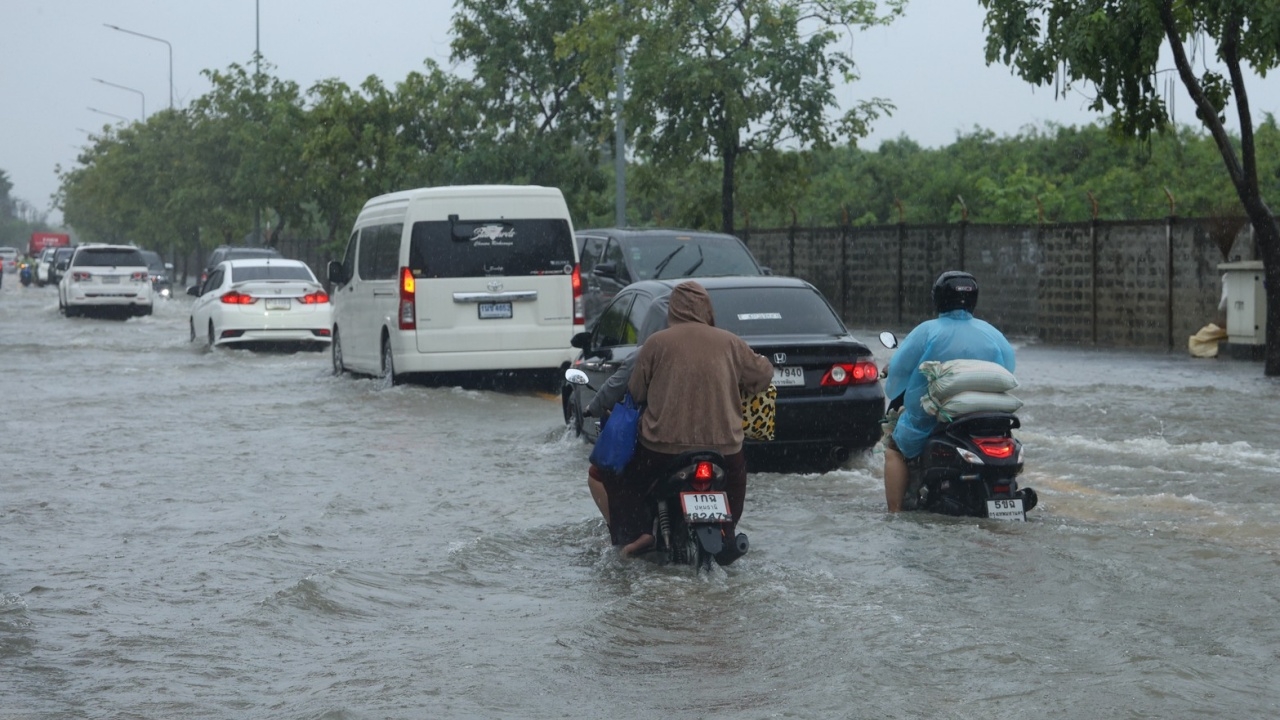
The Department of Disaster Prevention and Mitigation (DDPM) advises the public to remain vigilant. Heavy to very heavy rainfall. On 26–27 September, risk of flash floods and forest runoff, with downstream areas advised to prepare for water influx.


On 26 September 2026, Mr. Theeraphat Kachamat, Director-General of DDPM, stated that flood situations persist in some regions, especially the lower northern, central, and eastern parts of Thailand. The Meteorological Department has issued warnings for heavy to very heavy rain across Thailand from 25–27 September 2026, increasing the risk of flash floods and forest runoff. As the Central Disaster Prevention and Mitigation Operations Center (CDPMOC), DDPM urges provinces and regional DDPM centers to prepare in order to minimize impacts on people's lives and property as follows.

  • All provinces must closely monitor, assess, and analyze the situation, coordinating with upstream areas and neighboring provinces to forecast trends and issue timely warnings to the public. Focus areas include flood-prone zones, densely populated communities, economic zones, tourist sites, riverside settlements, transportation routes, and critical infrastructure.
  • Provinces currently experiencing floods must promptly resolve issues and assist victims regarding livelihood, medical and public health, safety of life and property, and water drainage. They should also maintain electricity, water supply, and communications, mobilizing personnel, tools, and disaster machinery to restore areas and reopen transportation routes swiftly.
  • Downstream provinces should closely monitor incoming water masses from upstream, warn residents to move belongings to higher ground—especially in low-lying and areas outside flood embankments—inspect and reinforce flood defenses, and deploy personnel, machinery, equipment, and materials to vulnerable zones, including communities, hospitals, and key economic areas, while ensuring electricity and water systems are safeguarded to reduce impact.
  • Regional DDPM centers in flood-affected areas are to deploy personnel and disaster machinery such as boats, flat-bottom boats, and jet skis to assist residents. They must integrate efforts with agencies, networks, and volunteers to facilitate access, evacuation, and delivery of drinking water and ready-to-eat food. Centers in unaffected areas should prepare forces and machinery in risk zones to provide immediate support upon request, operating 24/7.
  • In areas where the situation has subsided, authorities must expedite damage assessments and compile damage registers, coordinating with local administrative organizations and relevant agencies to ensure victims receive aid and compensation promptly according to regulations.

Residents in risk areas should closely follow weather conditions, water levels, and official warnings—especially those living near hill slopes close to waterways, low-lying areas, and downstream zones. If the situation worsens, they should relocate belongings to higher ground and strictly follow officials’ instructions.

The public can monitor disaster situations via Facebook: Department of Disaster Prevention and Mitigation DDPM, X: @DDPMNews, and Line: @1784DDPM. If affected by disasters or requiring assistance, report emergencies at the 24-hour hotline 1784 or coordinate with provincial DDPM offices and local agencies for timely aid.


Thanks to the Facebook page of the Department of Disaster Prevention and Mitigation DDPM.