

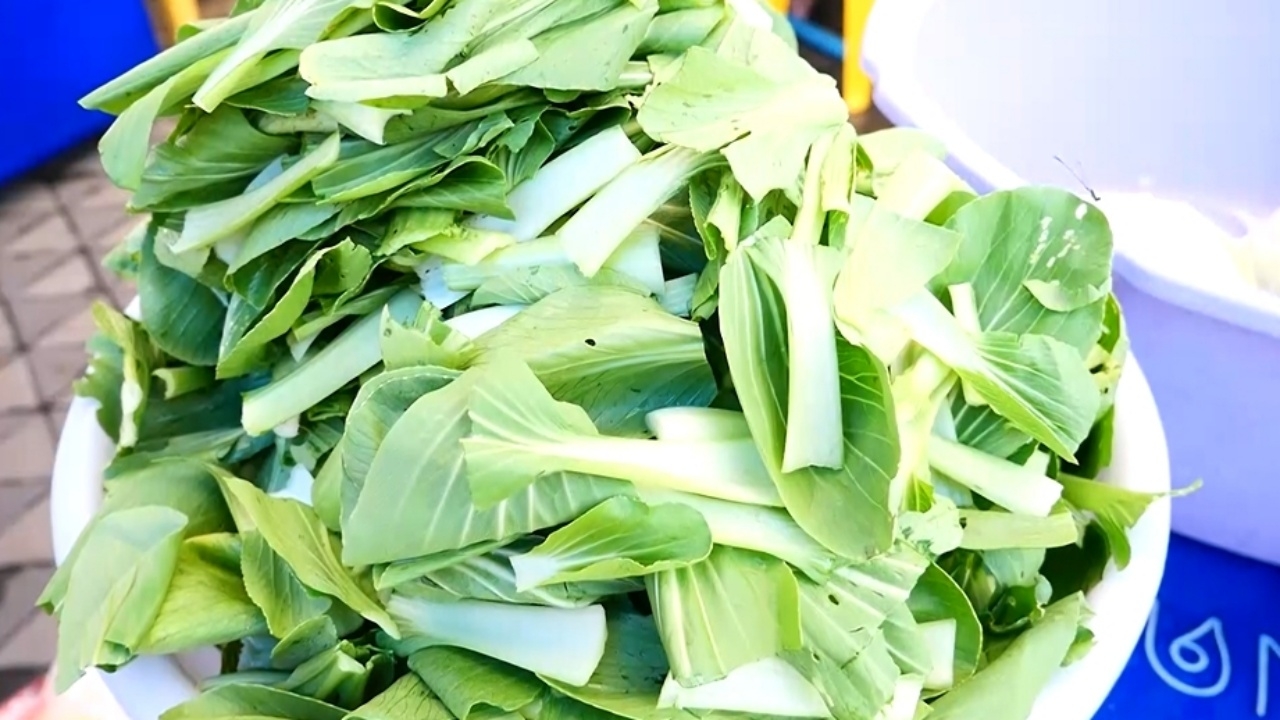
Residents of Buriram flock to buy vegetarian food amid lively demand, while vendors bear increased costs after vegetable prices soared due to severe flooding in many areas. This year, "gai choy" prices have risen threefold, but sellers are holding prices steady to maintain their customer base.
On 11 October 2026, reporters observed that the atmosphere during the Vegetarian Festival on Pitak Road in Buriram Municipality remains bustling. The event, organized by the municipality in collaboration with the Buriram Restaurant Association from 9 to 18 October 2026, draws citizens, government officials, and health enthusiasts to purchase vegetarian food from over ten participating stalls to take home or enjoy onsite.

The vegetarian menu offers a wide variety, including mushroom larb, stir-fried vegetables, fried mushrooms, mixed vegetable stew, rice noodle soup, and fried rice, with prices starting at 40-50 baht per dish. This pricing enables customers to choose within their budgets amid the current high cost of living.
However, behind the lively scene, vegetarian food vendors face challenges as vegetable prices, a key ingredient, have risen sharply for nearly all varieties due to flooding in several provinces.

Mr. Chuchai Chutimamat, one of the vegetarian food vendors, revealed that vegetable prices during this year's festival increased by about 50-60% compared to normal times, likely due to flooding in multiple provinces that are major growing and distribution areas. The most shocking increase was for "gai choy," which surged from 100 baht per bag to 400 baht per bag, tripling the price. This has caused overall ingredient costs for vegetarian food this year to rise by over 50%, forcing vendors to bear significantly higher expenses.

Despite the substantial cost increases, vendors strive to keep selling prices at 40-50 baht to avoid burdening consumers. They have also adapted by substituting more affordable vegetables for expensive ones to manage costs and maintain their customer base.
Meanwhile, vegetarian food sales this year have dropped by about 30% as people cope with economic difficulties by cutting back on spending. Vendors thus face the dual challenge of rising costs and declining purchasing power. They hope flood conditions improve soon and vegetable prices return to normal levels to help reduce costs and ease hardships for both sellers and consumers.
