

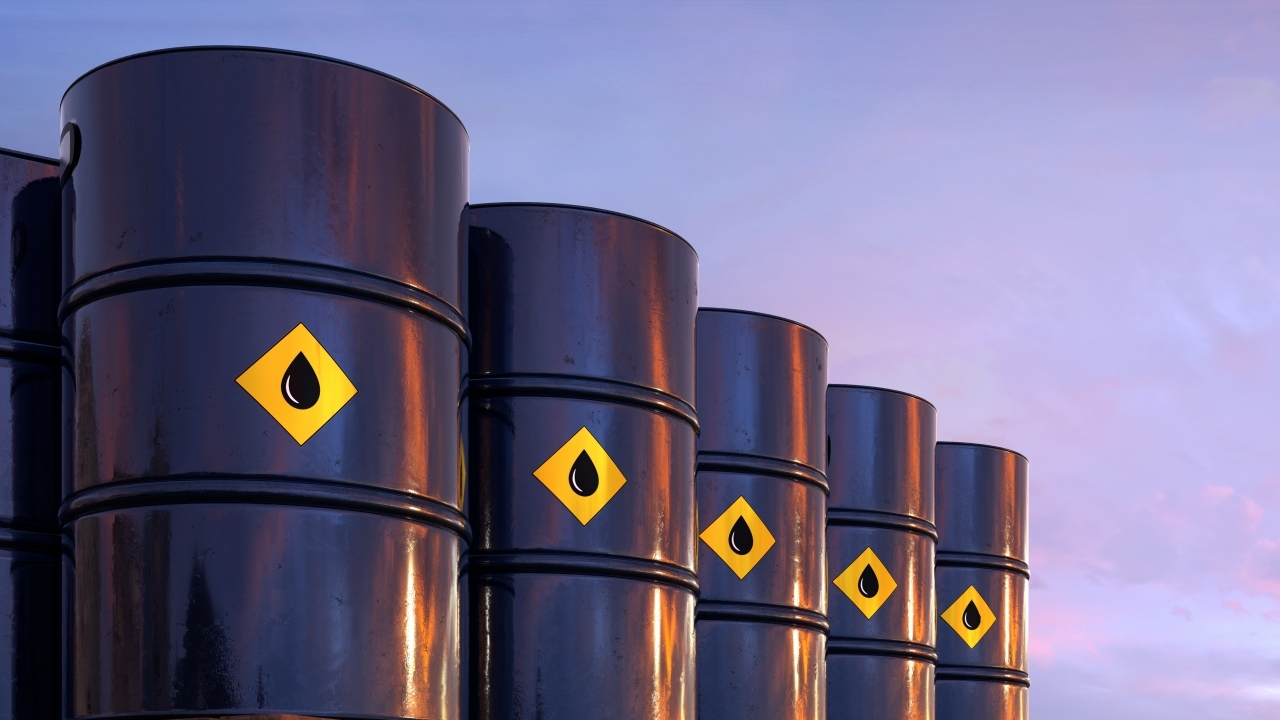
The latest decision by the Oil Fund Management Committee (OFMC) on 11 Nov 2023 cuts diesel subsidies and raises gasoline levies. The current status of the Oil Fund shows accumulated debt exceeding 108 billion baht, which is why retail pump prices decrease only gradually.
There have been many instances when global crude oil prices continuously dropped, yet retail fuel prices at Thai gas stations fell only slightly or sometimes not at all. This occurs because the structure of refined fuel prices in Thailand involves three main overlapping factors and mechanisms that absorb the impact.
The Oil Fuel Fund mechanism "reduces subsidies–increases fund collections": During energy price crises, the government uses the fund to compensate and stabilize pump prices. However, when the global market declines, the Oil Fund Management Committee immediately reduces compensation rates or increases collections into the fund. This means the full cost reduction that should benefit consumers is partly used to pay off debts and restore the fund’s liquidity instead.
Reference to Singapore refined fuel prices, not crude oil: Thai refineries do not directly base prices on crude oil benchmarks like Brent or WTI, but on Singapore refined product market prices (MOPS), which depend on refining margins and regional supply-demand balance. If refineries undergo maintenance or refined fuel demand tightens, refinery gate prices will not drop in line with crude oil prices.
Fixed tax burden and exchange rates: The price structure per liter includes excise tax, municipal tax, and value-added tax (VAT), accounting for 25–30%. Particularly, excise tax is a fixed cost per liter and does not decrease with the fuel price itself. Moreover, fuel imports are paid in US dollars, so a weaker baht immediately raises import costs in baht terms.

According to the latest estimate of the Oil Fuel Fund’s financial status by the Oil Fuel Fund Office (OFFO) at the beginning of November 2023, the net fund position shows a deficit as high as 108.082 billion baht, divided as follows.
Oil account: a deficit of 65.696 billion baht.
Liquefied petroleum gas (LPG) account: a deficit of 42.386 billion baht.
This debt burden of over 100 billion baht includes both loans from financial institutions that are starting to mature and outstanding compensation owed to fuel traders.
Most recently, the OFMC decision on 11 Nov 2023 cut the compensation rate for regular diesel by 0.34 baht per liter (remaining compensation at 2.18 baht per liter) and lowered the retail pump price by 1.00 baht per liter.
For gasoline and gasohol fuels, the fund levy was increased by 0.15–0.29 baht per liter, leaving only a 0.50 baht per liter cost difference available to reduce retail pump prices.
The slow reduction in pump prices results directly from energy policy management. When the government previously used the fund to support prices during high oil costs, consumers now need to share in repaying the existing debt as global oil prices decline, preparing the fund to maintain liquidity.