

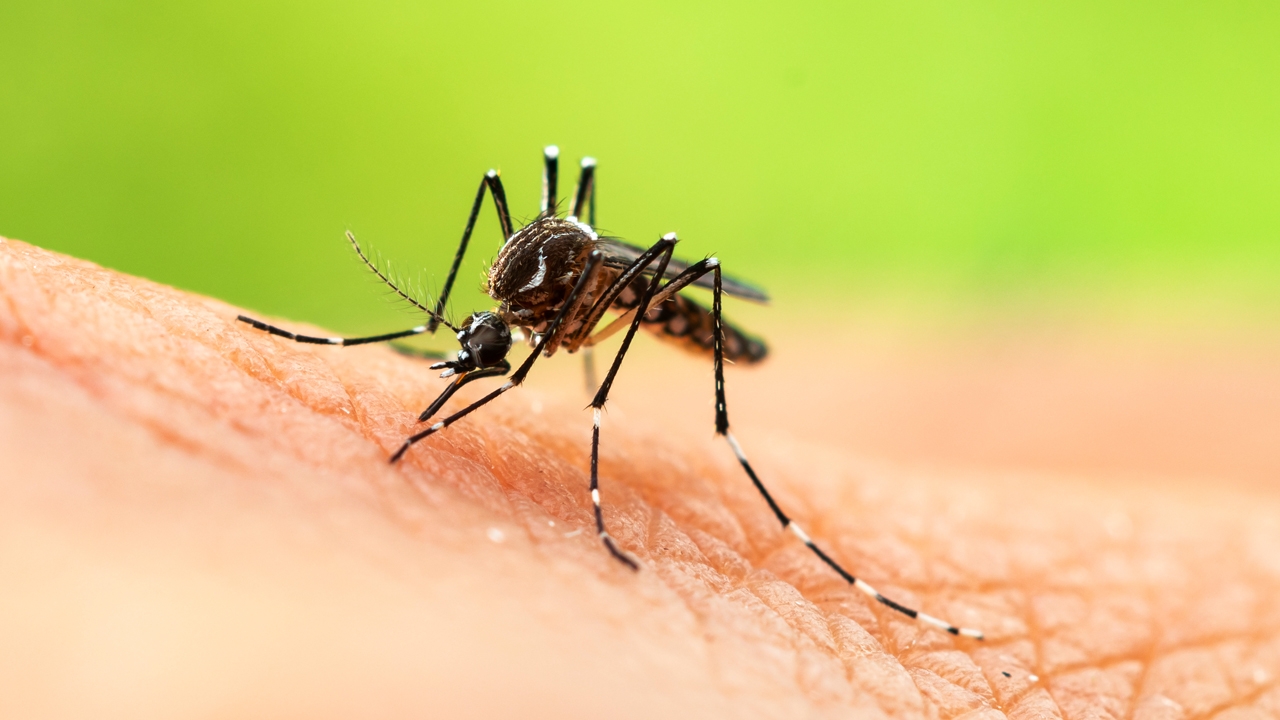
The Department of Disease Control has revealed the latest dengue fever situation with over 34,000 cumulative cases and 47 deaths. It warns that global warming and flooding accelerate Aedes mosquito breeding, with the south most affected. The public is urged to remain vigilant.
Dr. Wichan Boonkitikorn, Director of the Epidemiology Division at the Department of Disease Control (DDC), stated that as of 7 Nov 2023 GMT+7, dengue fever cases in Thailand total 34,875 across all age groups, especially school-age children and working adults. There have been 47 deaths, mostly elderly with chronic illnesses; some delayed seeking medical care leading to late diagnosis. The highest case reports come from health zones 11 and 12 in the south—for example, zone 11 reported about 1.7 times the national average, possibly due to heavy rainfall. Looking at the full year, cases peaked in August with about 1,450 reported, lower than in 2025 when about 2,700 cases were recorded. After August’s peak, numbers declined but began rising again over several weeks in October. Although current severity seems moderate, caution remains necessary.
Dr. Wichan explained that environmental changes and unpredictable seasons may be linked to the disease.
Therefore, whether these factors relate to increased outbreaks likely involves multiple causes. The old theory of outbreaks occurring every one or two years is now hard to predict due to overlapping factors like climate change and population movement. Researchers have begun discussing that the old predictive models may no longer apply. Experts have convened to review data and reassess how much the disease dynamics have changed.