

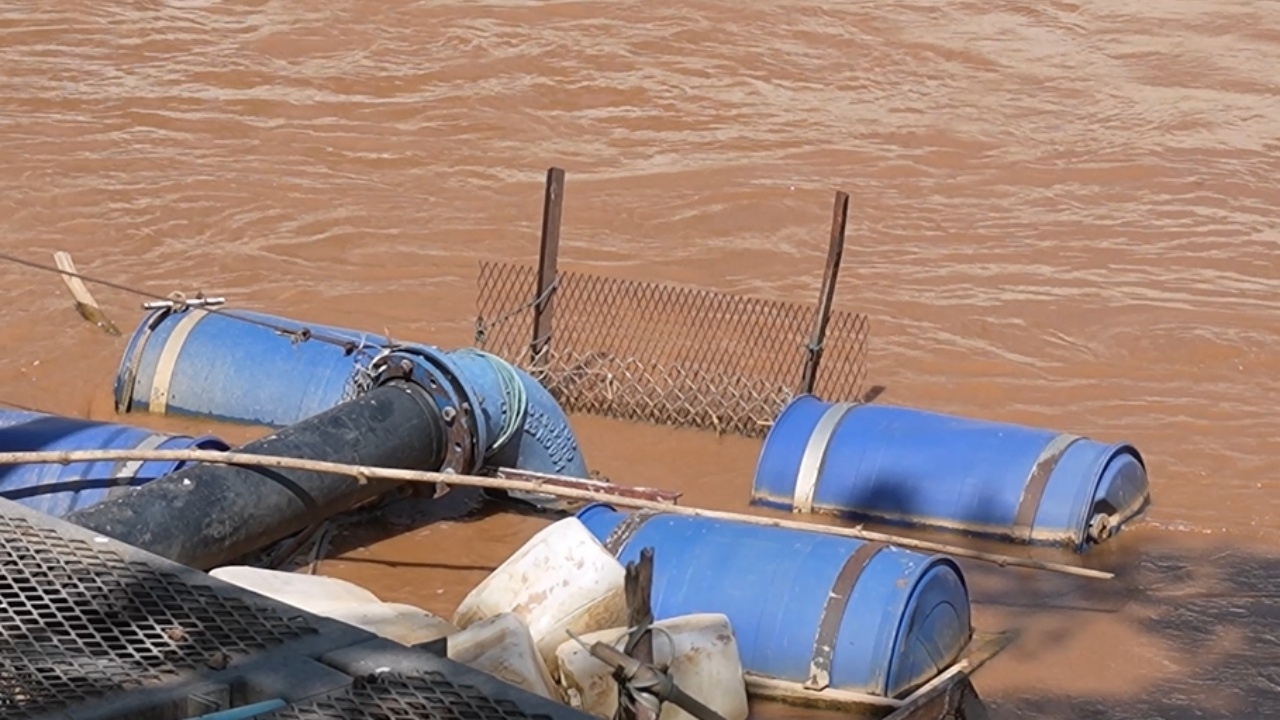
Mae Sai Hospital confirms it has not found any patients exhibiting symptoms indicative of arsenic poisoning. The hospital is preparing plans to monitor and screen patients, emphasizing that the public should be aware but not panic. It advises avoiding direct contact with the river water for now, while confirming that tap water remains safe for normal use.
A reporter updates on the cross-border water pollution situation affecting the Sai River, Ruak River, and Kok River areas, especially in the Sai River basin where arsenic contamination has been found at concerning levels. This has caused worry and public debate among residents of Mae Sai District, Chiang Rai Province, which borders Tachileik in Myanmar, about the safety of their drinking water.

On 19 Nov 2026 GMT+7, Dr. Supalet Netsuwan, director of Mae Sai Hospital, stated that after monitoring and reviewing hospital data, no patients have shown symptoms indicating arsenic poisoning. However, the hospital has established response plans and screening protocols. If suspected cases with symptoms of high arsenic exposure appear, doctors will conduct detailed risk assessments related to contaminated water contact and collect urine samples for confirmation at the Chiang Rai Medical Science Center.

Dr. Supalet added that the chance of the public being exposed to dangerous levels of arsenic through direct contact is very low. He noted that arsenic can naturally contaminate food chains—especially animals, plants, soil surfaces, or sediment deposits—depending on concentration levels, and is not limited to just high-risk areas.
Symptoms of high arsenic exposure include nausea and vomiting, or skin contact can cause prolonged itchy rashes. These symptoms are common in daily life, so the hospital must carefully differentiate and take detailed histories to determine if these are from typical food sources or exposure to contaminated water.

"We want the public to stay aware but not to panic. Please follow news only from trusted sources and avoid direct contact with Sai River water at this time. Meanwhile, the water authority has confirmed that tap water is produced to quality standards and is safe for consumption. If anyone has concerns or experiences unusual symptoms, they can consult Mae Sai Hospital or local health promotion hospitals (Subdistrict Health Promoting Hospitals). All officials are ready to provide full care and advice," the hospital director concluded.