

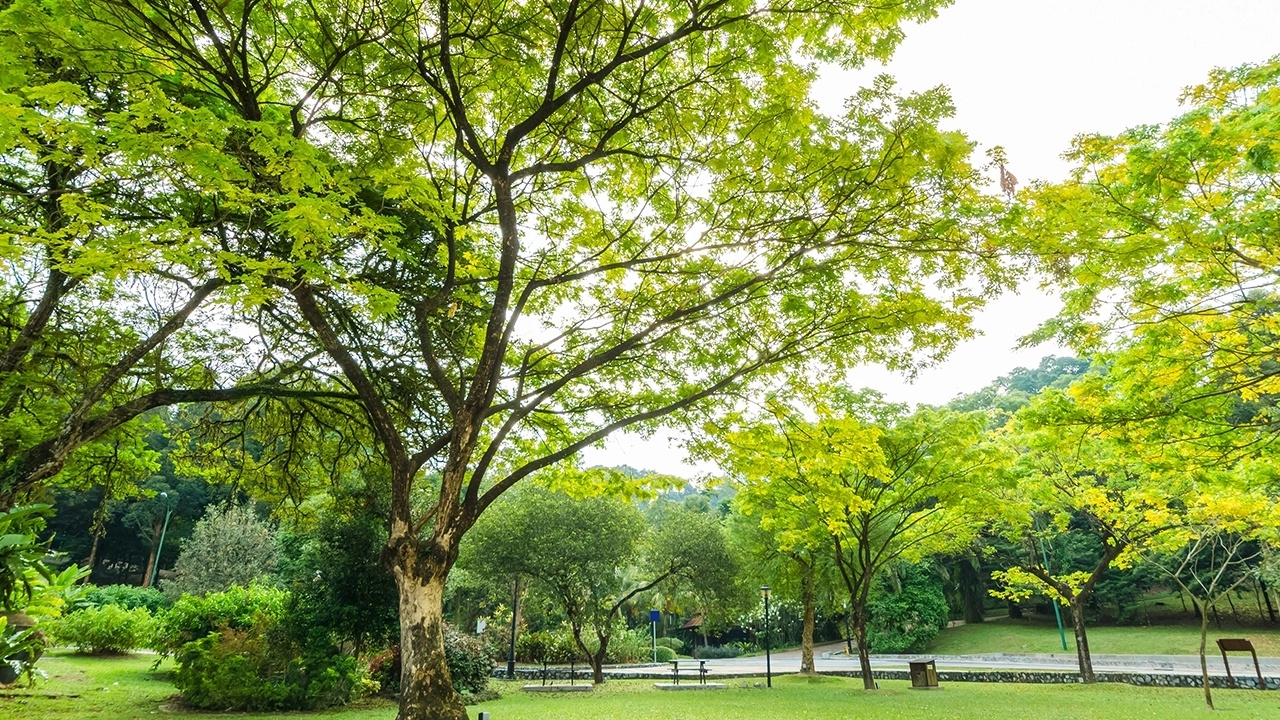
This morning, Bangkok's overall PM 2.5 dust levels were within the good air quality range, not exceeding standards in any monitored area. Several districts registered blue zones indicating very good air quality.
On 27 November 2026, the Bangkok Air Quality Information Center reported on PM 2.5 dust levels from the city's air quality monitoring stations.
On Friday, 27 November 2026, at 07:00, the 24-hour average PM 2.5 dust concentration was measured.
Related factors (forecasted weather conditions affecting PM 2.5 levels based on meteorological data):
- Ventilation mostly classified as "weak".
- Chance of rain in some areas on 1 Dec.
- Temperature inversion (air trapping)
was absent from 27 Nov to 3 Dec except for low-level occurrences on 28 Nov and 2 Dec.
- North/east winds were "weak to moderate".
- Dust accumulation risk was "low."
NASA satellite data showed no abnormal heat hotspots with high thermal readings over Bangkok's surface.
The Environment Bureau coordinated with all relevant agencies to intensify enforcement of dust pollution control plans to mitigate PM 2.5 severity and protect public health. They also encouraged public and sector participation by promoting behavioral changes and reducing dust-generating activities through “5 ways to reduce dust you can do”: 1. Regular dust cleaning at home by wiping surfaces; 2. Avoid burning waste and incense sticks; 3. Plant trees to absorb pollutants and trap dust; 4. Use public transportation; and 5. Turn off engines when parked and maintain vehicles to prevent excessive black smoke emissions.
