

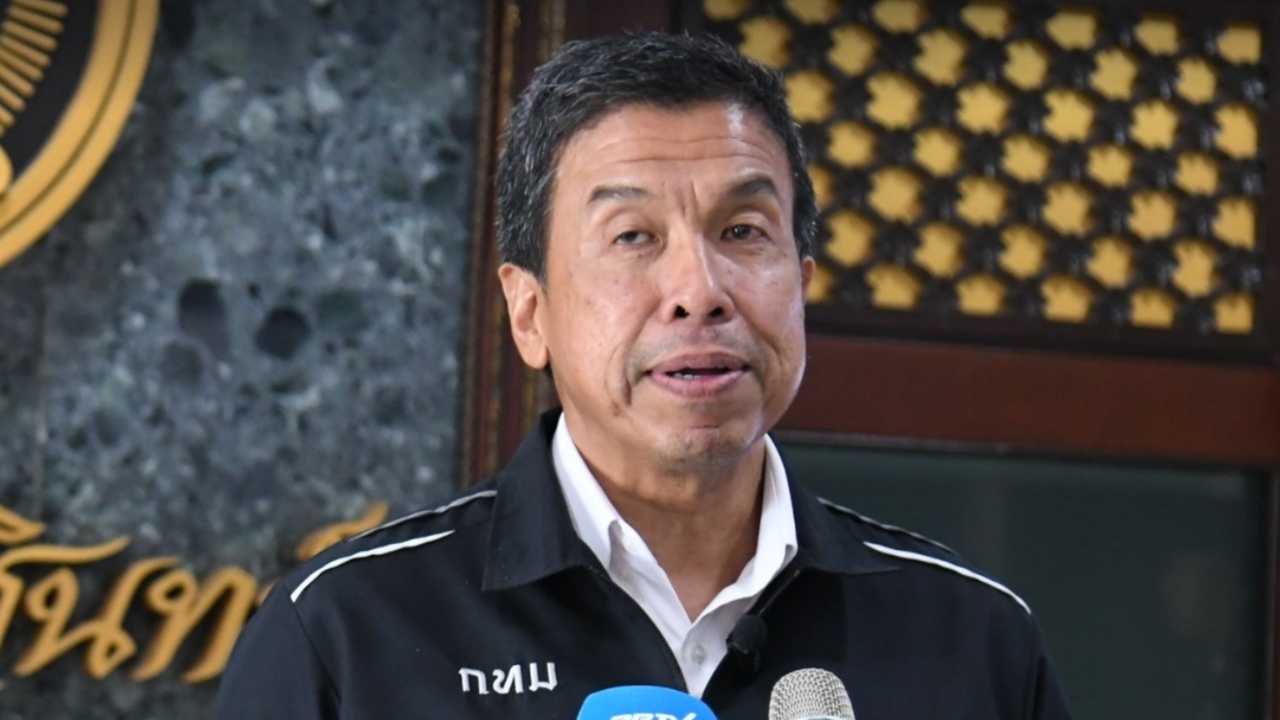
Governor Chadchart said that northern dust has not yet affected Bangkok due to a change in wind direction and that authorities are closely monitoring the situation.
On 2 April 2026, Chadchart Sitthiphan, Governor of Bangkok, told reporters that the key factor influencing the PM2.5 dust situation is primarily the wind direction.
Currently, the summer winds blow from the south (Gulf of Thailand) toward the north, so dust from the north has not impacted Bangkok. However, the situation requires close monitoring as wind directions may shift or reverse.
Bangkok has installed an advanced air quality monitoring station (Super Station), supported by China, to analyze real-time dust sources, whether from burning or vehicles. The station is currently set up at Kasetsart University, improving the analysis and management of dust problems.
Overall, the dust situation this year has improved, with days exceeding dust standards reduced by about 50%. This is due to cooperation among many sectors, including changing engine oil and vehicle filters, tightening black smoke standards, quadrupling black smoke vehicle inspections, and collaborating with farmers around Bangkok to reduce burning.
"I believe that if all sectors cooperate seriously, the dust situation can be alleviated in the long term. On this occasion, I also send my support to residents in the northern region who are currently facing dust problems," Governor Chadchart said.
Regarding the Clean Air Act, Governor Chadchart commented that dust problems are economic issues because low-income people often have no choice but to use old vehicles or engage in agricultural burning, which is the cheapest option. Therefore, the Clean Air Act should be promoted to establish a supporting fund and require polluters to compensate. It will also decentralize authority to local governments for more effective and serious management of the problem.