

Thairath Online
Thairath Online

Zero Corruption Alliance Proposes 5 Openings Campaign for Governor and Council Elections to Promote Bangkok as a Model of Transparency

Local23 Jun 2026 15:53 GMT+7

Share

Zero Corruption Alliance Proposes 5 Openings Campaign for Governor and Council Elections to Promote Bangkok as a Model of Transparency

The Zero Corruption Alliance and partners have put forward the "5 Openings" proposal to campaign in the upcoming Bangkok governor and council elections, pushing Bangkok to become a model of transparency and openness.

Earlier in May, the Zero Corruption Alliance and partners jointly proposed sustainable anti-corruption reforms to the government, including legal reforms and elevating four agencies as transparency models: the Ministry of Finance, Ministry of Interior, Ministry of Agriculture and Cooperatives, and Bangkok Metropolitan Administration.

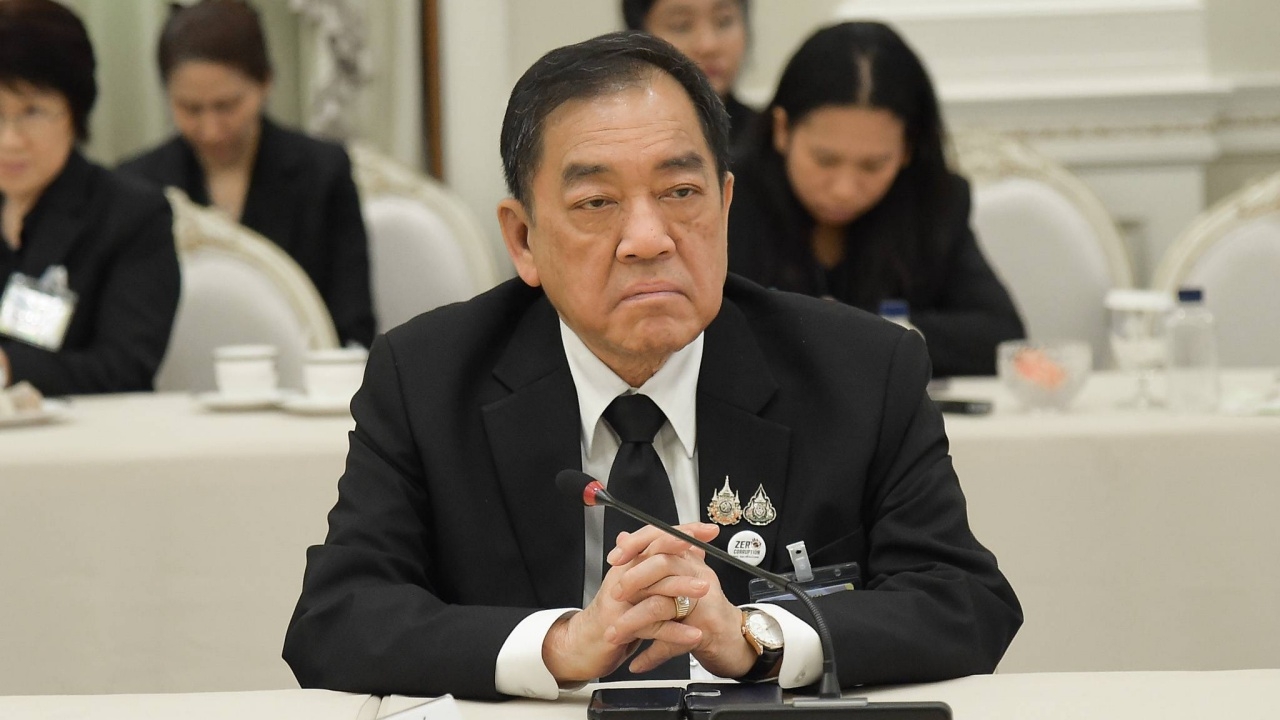
Mr. Phot Aramwattananon, Chairman of the Zero Corruption working group of the Alliance, said the upcoming Bangkok governor and council elections are a crucial opportunity to set the capital’s administration towards transparency, accountability, and truly meeting citizens’ needs. He stressed the key principle that "Governors must deliver on their promises," meaning Bangkok leaders must effectively implement policies, fulfill campaign pledges, and maintain open data systems for public oversight.

The Zero Corruption working group of the Alliance has therefore developed the "5 Openings" proposal to communicate to election candidates and drive Bangkok towards becoming a “model transparent city,” consisting of the following elements:


1. Open City Data for verifiable transparency (Open Data).

  • Make budget data, procurement information, and key data sets easily accessible in machine-readable formats, developing them into open databases that everyone can use for verification. Link company data and concession/joint venture contracts for public search and analysis. Utilize technology to detect high-risk projects and analyze abnormal procurement patterns.

    2. Open Public Participation through Open Government management approaches.
  • Enable citizens to monitor district-level projects following the Open Government Partnership (OGP) model. Create dashboards to track budget spending and project progress. Implement citizen feedback systems to gauge satisfaction from those receiving services at all levels of Bangkok government agencies, and protect whistleblowers.

    3. Transparent Procurement Contract Disclosure (Open Contracting).
  • Disclose procurement data at every stage according to international standards—from drafting Terms of Reference, setting price ceilings, bidder lists, contracts, amendments, to delivery. Establish project tracking systems accessible to public inspection. Employ Integrity Pacts in major projects to reduce bid-rigging and conflicts of interest by verifying the identities of company owners in every contract.

    4. Open Approval Processes to reduce unnecessary discretion (Open Permitting Process).
  • Revise laws, regulations, and rules to reduce discretionary power, increasing clarity at all legal levels. Make legislative processes transparent and open for public draft review. Eliminate unnecessary discretion by converting permit approvals into electronic standardized processes to prevent bribery. Implement tracking systems for all permit issuance steps and results, making data publicly accessible for oversight.

    5. Open Risk Management Measures to oversee corruption risks.
  • Enhance the efficiency of corruption risk management with open, verifiable, systematic prevention—from risk identification, analysis, to mitigation and closure. Regularly inform the public about plans and progress, set transparency KPIs, and disclose performance results of administrators and officials at all levels.

    “Many problems in Bangkok aren’t due to budget shortages but a lack of accessible monitoring systems for citizens—issues like flooding, traffic congestion, waste, PM 2.5 pollution, and mismatched budgets all relate to transparency. Without open data, citizens cannot scrutinize. The June 28 election is a pivotal moment to transition Bangkok into a new era as a model transparent metropolis through these 5 Openings. We hope the political sector will heed the public’s voice, and urge voters to support candidates committed to making Bangkok transparent,” Mr. Phot said.

    Mr. Mana Nimitmongkol, Chairman of the Anti-Corruption Organization of Thailand and academic advisor to the Zero Corruption working group, said the essence of the “5 Openings” is that open data empowers citizens to monitor government systematically. However, for Bangkok to become a model transparent city depends on leadership committed to three key areas: “transparent management, dedicated anti-corruption efforts, and citizen engagement,” which form the strongest and most sustainable protection against corruption.

    “This proposal is not merely an anti-corruption declaration but a design of systems for corruption prevention and oversight starting with open data, empowering citizens to act as political watchdogs and reducing centralized decision-making. This is the heart of a transparent Bangkok,” Mr. Mana added.

    The Zero Corruption working group of the Alliance will continue to promote systemic proposals to reduce corruption risks in key national agencies, especially Bangkok, the capital city impacting many citizens’ quality of life, to ensure future city administration is transparent, accountable, and genuinely citizen-centered.