

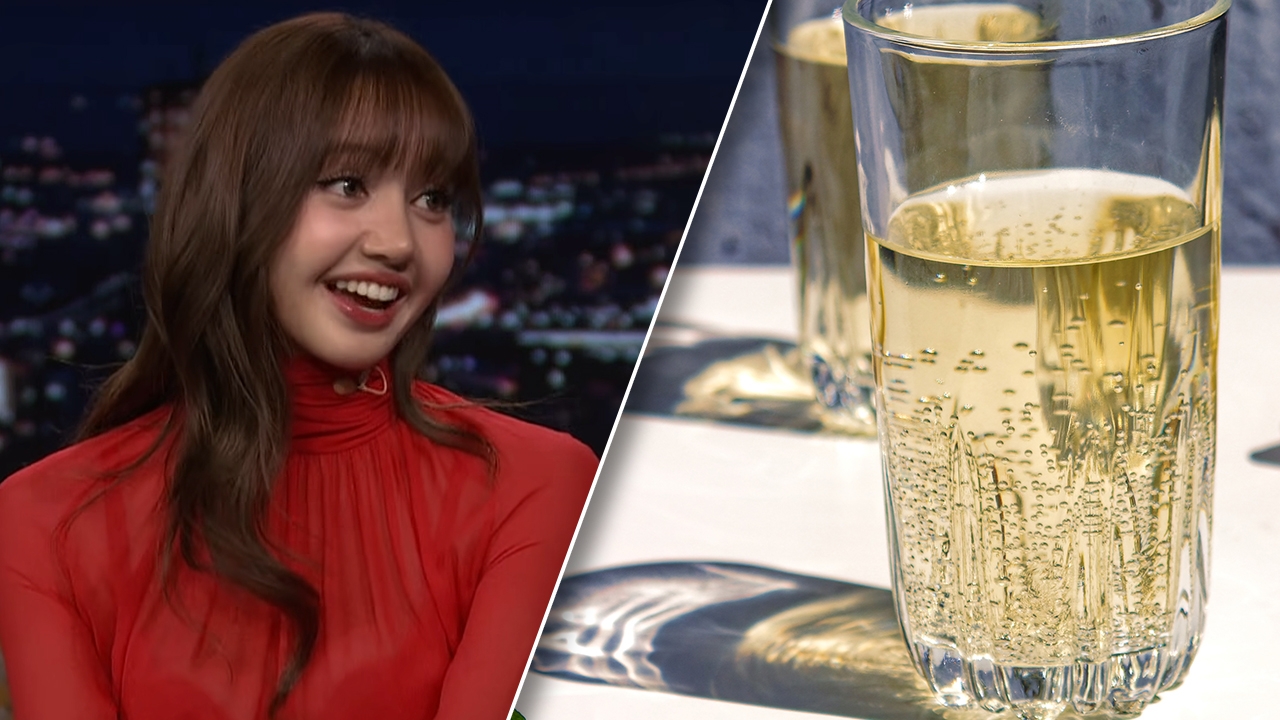
A Thai craft beer advocate clarified the analysis of the “Lisa” empty glass controversy, pointing out that it aims to expose problems in the subordinate law under Section 32/2 of the Alcohol Beverage Control Act, which is still a legal vacuum, expressing concern that small businesses and the public are more affected by risks of sharing posts.
On 18 Sep 2026 GMT+7, regarding global superstar Lisa Manoban’s appearance on The Tonight Show Starring Jimmy Fallon, a world-renowned program, where near the end she discussed a favorite drink recipe sourced online, sparking debate about related laws in Thailand.
/ “Arty Sivahansaphan” Arty Sivahansaphan, a Thai craft beer advocate, posted comments about Section 32/2 of the Alcohol Beverage Control Act (Amendment No. 2) B.E. 2568 (2025), which deals with advertising regulations.
In the post, Mr. Arty stated, “Lisa’s case might fall under Section 32/2 of the amended Act, which prohibits anyone from using their fame for personal gain to communicate publicly by displaying names or logos of alcoholic beverages, aiming to induce others to consume, except for limited academic communication as prescribed by ministerial regulations.”
The ambiguous wording results from alcohol control opponents insisting on prohibiting communication (a term broadly interpreted). Our minority committee spent nearly two months negotiating, ultimately agreeing to allow academic communication without conditions, except that communication from outside the kingdom is not exempt—a rule that existed in the previous Act but was removed.
As of 17 Sep, no subordinate laws under Section 32 have been issued, creating a semi-vacuum where advertising laws cannot be enforced. I won’t speculate if Lisa violated the law, as interpretations would be confusing, but I do expect subcommittees will consider this case when drafting unexpected subordinate laws.
Mr. Arty further explained that without subordinate laws under Section 32, definitions of allowed actions are absent. Small producers hesitate to act, fearing prosecution. We have long fought using constitutional channels to amend some laws, but the problem remains with subordinate laws under Section 32/2 about celebrities, as no definitions exist for who qualifies as a celebrity, causing headache-inducing interpretations. Enforcement relies solely on officials’ discretion with no standards, which is very concerning, except for limited academic communication within a closed group, such as discussing facts about origins, production methods, or scientific information about alcoholic beverages.
Even warning labels face restrictions in subordinate laws, such as prohibiting display on products, specifying label size, and limiting coverage to 5% of product area.
In the post, Mr. Arty said he is not worried about Lisa personally but more concerned about the general public and small business operators, like local eateries, who risk legal trouble if they share or post images. For example, travelers who posted photos of alcoholic drinks on Japanese store shelves faced immediate legal notices, justified by claims that such posts encourage travel to consume alcohol.
He also expressed concern about the Alcohol Control Office's 24-hour violation reporting system, which resembles witch hunting, allowing anyone to report without revealing identities. Officials must investigate or risk dereliction of duty. If violations occur, the most worrying aspect is daily fines, which have heavily impacted small vendors.

Section 32/1 prohibits anyone from advertising alcoholic beverages except for providing information, knowledge, or publicity under criteria, methods, and conditions prescribed by the minister on the advice of the control committee.
Section 32/2 prohibits anyone from using their fame for personal gain to publicly communicate by displaying names or logos of alcoholic beverages with intent to induce consumption, except for limited academic communication to members under ministerial criteria advised by the control committee.
Section 32/3 prohibits advertising products or other items using names or logos of alcoholic beverages as their own or altering such names or logos to form part of a product or item’s name or logo in a way that might be understood as advertising alcoholic beverages.
Section 32/4 prohibits anyone from sponsoring social or public benefit activities for individuals, groups, government agencies, or private organizations in ways that promote alcohol consumption, as prescribed by the minister on the control committee’s advice.
Section 32/5 prohibits dissemination of activities or information promoting prohibited activities under Section 32/4.