

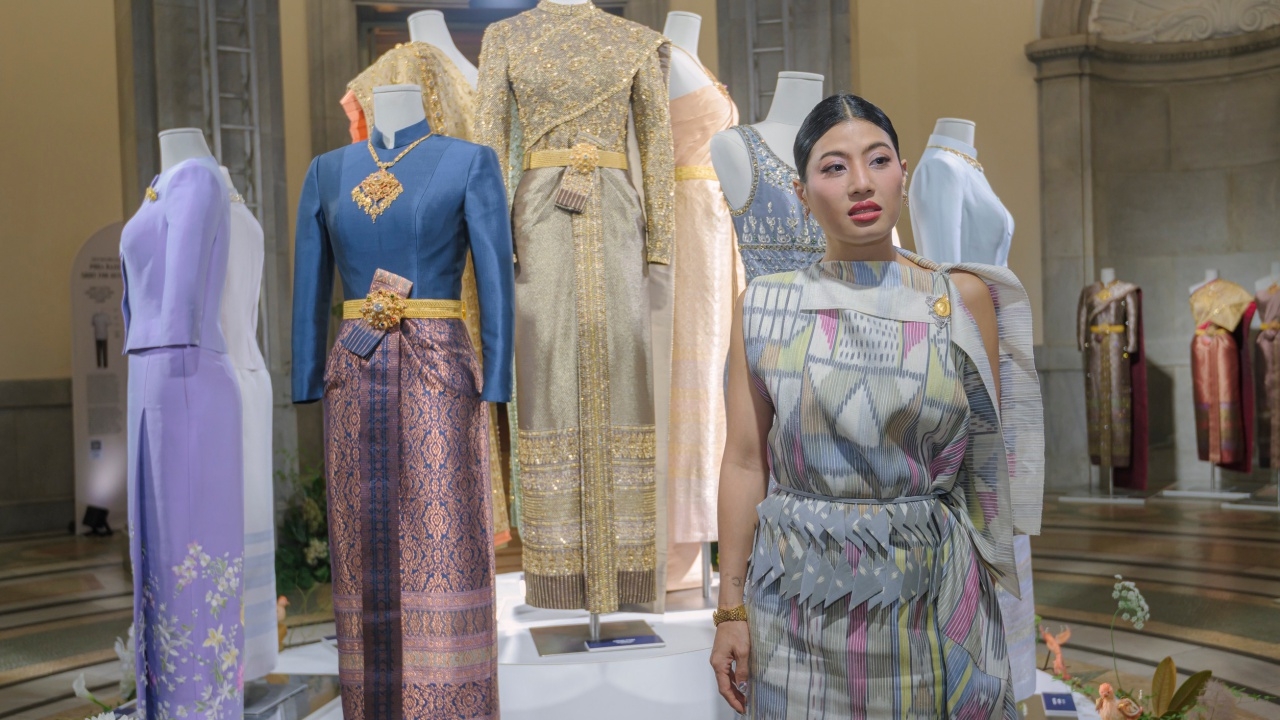
Her Royal Highness Princess Sirivannavari presided over an event to transmit Thai cultural heritage in Tokyo, creating knowledge of the "Thai Traditional Costume" for the global stage, and the tags are ["Thai traditional costume", "cultural heritage", "Tokyo", "Princess Sirivannavari"]},{
On 18 September 2026, Her Royal Highness Princess Sirivannavari Nariratana Rajakanya presided over the event "CHUD THAI KNOWLEDGE, CRAFTSMANSHIP AND PRACTICES OF THE THAI NATIONAL COSTUME," organized by the Department of Cultural Promotion, Ministry of Culture. The event took place from 17-18 September 2026 at the Tokyo National Museum, Tokyo, Japan, marking a significant cultural milestone that reflects the vision to create global knowledge of the "Thai Traditional Costume." The tags are ["Princess Sirivannavari", "Thai traditional costume", "Tokyo National Museum", "cultural event"]

This event continues the royal mission of Her Majesty Queen Sirikit, the Queen Mother, who has been committed to conserving and preserving the nation's cultural heritage, especially in dress. It aims to present the "Thai Traditional Costume: Knowledge, Craftsmanship, and Practices" to UNESCO for consideration to be inscribed as an intangible cultural heritage at the 21st Intergovernmental Committee meeting scheduled for December 2026 in Xiamen, People's Republic of China. The tags are ["Queen Sirikit", "UNESCO", "intangible cultural heritage", "Thai dress"]

The event featured exhibitions of eight styles of royal Thai traditional costumes and three royal granted shirt designs, along with exhibitions of these royal Thai traditional costumes designed and tailored by the Tirapan and Pha fashion houses. A highlight was the display of Princess Sirivannavari Nariratana Rajakanya's kimono outfits, exquisitely tailored from Mudmee silk provided by the Foundation for the Promotion of Supplementary Occupations and Related Techniques. The tags are ["royal Thai costumes", "kimono exhibition", "Mudmee silk", "Princess Sirivannavari"]

Additionally, there were demonstrations of creating traditional Thai accessories representing high art, such as decorative wire wrapping, silk embroidery, silver and goldsmithing, ancient gold leaf application techniques on bags, and auspicious patterned silk weaving. These activities were presented as contemporary design works reflecting artistic structure, not merely historical objects but living heritage that continues to evolve. The tags are ["Thai craftsmanship", "embroidery", "goldsmithing", "living heritage"]

The foundation for building global knowledge of the Thai traditional costume stems from the royal mission of Her Majesty Queen Sirikit, the Queen Mother, who is devoted to preserving the nation's cultural heritage, especially in dress, which is a key element of Thailand's identity. With her vision and wisdom, she systematically researched historical evidence on Thai women's dress across royal eras and graciously appointed experts in history and design to collaboratively develop the "Royal Thai Traditional Costume" as a standard attire for Thai women. This attire is culturally appropriate and suitable for modern Thai society, becoming the prototype of contemporary royal Thai traditional costume—elegant and fitting for official duties both domestically and abroad. The tags are ["Queen Sirikit", "Thai identity", "royal Thai costume development", "cultural preservation"]

The "Royal Thai Traditional Costume" comprises eight styles: Ruean Ton, Chitlada, Amarin, Borom Phiman, Dusit, Chakri, Siwalai, and Chakraphat. These names are derived from palaces and royal residences in the Grand Palace and Dusit Palace. There are also three royal granted shirt designs for men, reflecting the honor and pride of wearers and the development of Thai dress heritage passed down through generations. The tags are ["Royal Thai costume styles", "men's royal shirts", "Thai heritage", "palace names"]

Over time, the Queen Mother has worn the Royal Thai Traditional Costume on many occasions, using dress as a "cultural medium" to convey Thailand's image internationally. Notably, during official visits to the United States and European countries in 1960, the Royal Thai Traditional Costume impressed and gained international recognition. It also led to collaboration with Pierre Balmain, the renowned French designer, who played a key role in showcasing the beauty of Thai silk through haute couture tailoring. The tags are ["Queen Mother", "international diplomacy", "Pierre Balmain", "Thai silk"]

To continue preserving the nation's cultural heritage for international recognition, in 2024 the Cabinet approved submitting the "Thai Traditional Costume: Knowledge, Craftsmanship, and Practices" to UNESCO for consideration as an intangible cultural heritage at the 21st Intergovernmental Committee meeting to be held in December 2026 in Xiamen, People's Republic of China. The tags are ["Cabinet approval", "UNESCO nomination", "intangible cultural heritage", "Thai traditional costume"]