

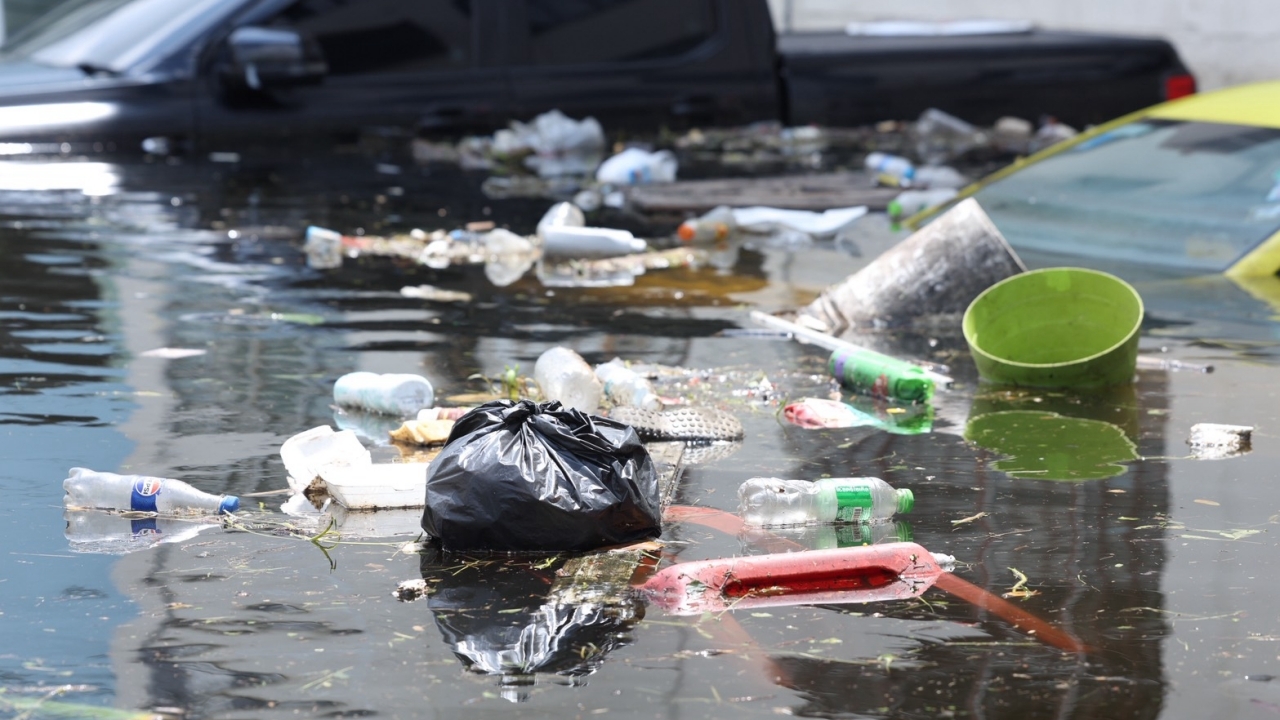
Residents of Romklao housing flats say that although water levels have dropped, some still have to wade through floodwaters to receive food. They are alarmed by encountering a 2-inch leech clinging to a neck. Additionally, with no water or electricity available, they are forced to relieve themselves into bags.
On 30 Sep 2026 GMT+7, reporters covered the flood situation at Romklao housing flats. Today, water levels have fallen about 10-12 centimeters compared to yesterday, but many areas remain heavily flooded, especially Zone 5, where water still reaches chest height in some spots.
The news team spoke with Mr. Boonjom Saengmaneewong, 53, a resident of Zone 5, Section 7 of the flats. He said that although water levels have decreased, aid access to Zone 5 remains difficult because of obstructing vehicles. As a result, residents must wade through the water themselves to collect food and necessities.

Mr. Boonjom said his residence is next to the Sai Kai canal, where the water has started to become polluted and black in color. Garbage has been swept together and clogged against fences with no outlet, forcing residents to frequently wade through the contaminated water. He added that yesterday, while wading, a large leech about 2 inches long attached to his neck. Despite health concerns, he could not avoid going out since food and supplies barely reach the area. He urged authorities to urgently resolve the issue and drain the water quickly so residents can resume normal life.
Furthermore, a major problem for residents here is the continued lack of running water in many areas and power outages in some places, making daily life difficult, especially regarding sanitation and toilet use.

Ms. Phatsarawan, 62, a local resident, said many homes lack upper-level toilets, and lower-level toilets are unusable. Therefore, residents use chamber pots or containers covered with black plastic bags for waste. After use, they tie the bags and either float or throw them into the water since there are no designated waste disposal points or sanitation facilities. She admitted that this worsens water pollution and odor but is necessary for residents to continue living.
Ms. Phatsarawan added that the water now emits a foul odor resembling decomposing matter. Household items like cabinets, beds, and wooden furniture have floated and started to smell due to flooding, raising concerns that once the water recedes, a major cleaning effort will be needed.

Residents also need medicine to prevent and treat diseases caused by wading through floodwaters, such as leptospirosis medication and treatments for itching or rashes, as these supplies have not sufficiently reached the area.
She expressed a desire for rapid water drainage from the area so residents can clean their homes and return to normal life. The longer the water remains, the worse the sanitation, odors, and damage to household items will become.


