

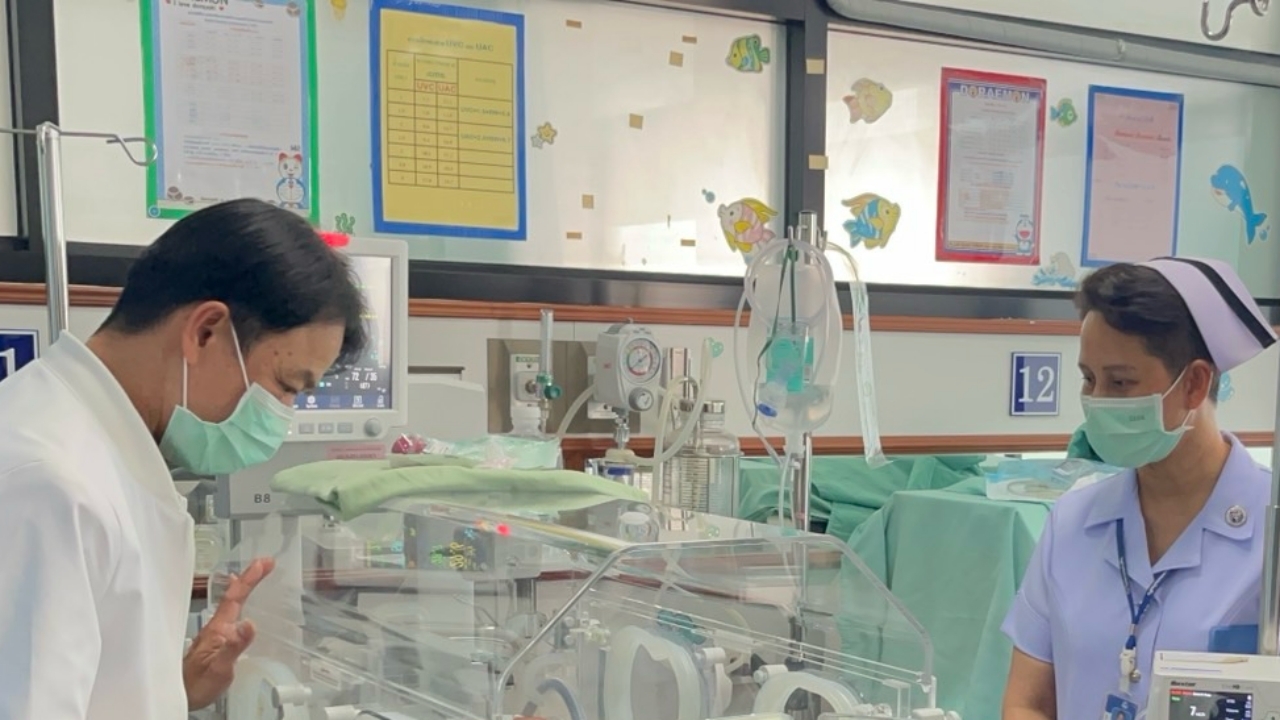
The hospital director in Suphanburi admitted that staff indeed administered the wrong injection to a 1-month-old baby, but the side effects were not severe and the baby is now safe. He also ordered a review of the mistakes, including ethical and disciplinary aspects.
On 2 April 2026, reporters noted that a message was widely shared on social media from a Facebook user describing the experience of their little over one-month-old baby who was treated at a hospital in Suphanburi. The doctor later informed them that the wrong injection had been given—the medication was intended for adults and the dosage exceeded what a baby could safely receive. This could cause slower breathing or deep sleep from which the child might not respond. The most severe risk was sudden cardiac arrest, potentially fatal. The parent questioned how one would react if a doctor told them this, expressing hope just to get through the night safely with their child unharmed.
Reporters then visited the baby's parents and met Ms. Sudarat, 27, the mother. She said she brought her 1-month-10-day-old daughter to the hospital for pneumonia treatment over two nights. The doctor examined the baby and said she was improving with better breathing. In the afternoon, after the baby was fed milk, a nurse asked to give an injection, which was administered. The baby immediately fell asleep. Then the head nurse came to check and apologized for giving the wrong injection. At first, she thought the baby was just full and sleeping, but when she laid her down, the baby was very still and breathing lightly. She told her husband that something was wrong and asked him to consult the doctor about the medication and possible effects.

Mr. Supawat, 28, the father, said when his partner told him the nurse had given the wrong injection, he was suspicious and asked for clarification. They said they had intended to give the medication to an adult patient but mistakenly injected the baby. The doctor then apologized on behalf of the nurse and explained the side effects and treatment. For example, if breathing slowed, a tracheotomy might be needed to assist breathing, and there was a risk of sudden cardiac arrest. The doctor admitted it was an adult medication and asked who would take responsibility if anything happened to the baby.
Reporters then went to Dan Chang Hospital and met Dr. Isawan Duangjinda, the hospital director, who explained the incident. After learning of the case, he ordered a fact-finding investigation. The baby, 1 month and 8 days old, was admitted on 1 April with pneumonia, fever, and labored breathing. The infant required antibiotics and oxygen support due to severe respiratory distress.
At the time, another patient was a 9-month-old baby with an allergic rash. The doctor had ordered an antihistamine injection called Chlorpheniramine. However, due to miscommunication and incorrect patient identification, the antihistamine was mistakenly given to the younger baby with pneumonia. The staff involved took the matter seriously and did not attempt to conceal the error. The doctor informed the patient's family about the wrong injection but explained that the medication was a widely used, safe antihistamine commonly found in households.
Common side effects of this antihistamine include drowsiness, dry mouth and throat, and constipation. Pediatricians and hospital specialists closely monitored the baby’s condition in the nursery and so far found no bodily harm. As of this morning, the baby was conscious but still had fever and pneumonia. Pediatricians adjusted treatment with broader-spectrum antibiotics. Overall, the baby who received the wrong medication has not suffered any physical harm, and the pneumonia treatment has been intensified.

The hospital has not been complacent. They have ordered close monitoring of the patient and assigned a team to support the family. A meeting was arranged today to communicate and clarify the incident. Regarding whether this antihistamine can be given to a one-month-old, the answer is yes. The medication’s effect lasts about 4–6 hours. The dose given yesterday has now worn off.
This morning, I personally examined the patient. The baby responded by grasping our finger and moving normally. The medication’s effects have ended. No physical damage was found. If any harm had occurred, the Ministry of Public Health would provide compensation. Although no harm was done this time, the hospital takes the error seriously and has ordered a detailed review of how it happened to prevent recurrence. Ethical and disciplinary actions will be fully enforced.
Regarding the communication error, the hospital apologizes to the family and welcomes their criticism. They are committed to providing full care going forward. According to reports, the nurse asked the mother for the baby’s name before injecting, but the mother was on the phone, so the nurse assumed it was the correct child and proceeded. The hospital asks the parents not to worry, as the medication’s side effects have passed. The current concern is the pneumonia, for which pediatricians have adjusted to a broader-spectrum antibiotic.
Reporters also noted that the baby’s father has seen the official explanation from Dan Chang Hospital but remains uneasy. He is concerned about the hospital’s public statement via their Facebook page. Hospital staff are currently in discussions with the family to find a way forward together.