

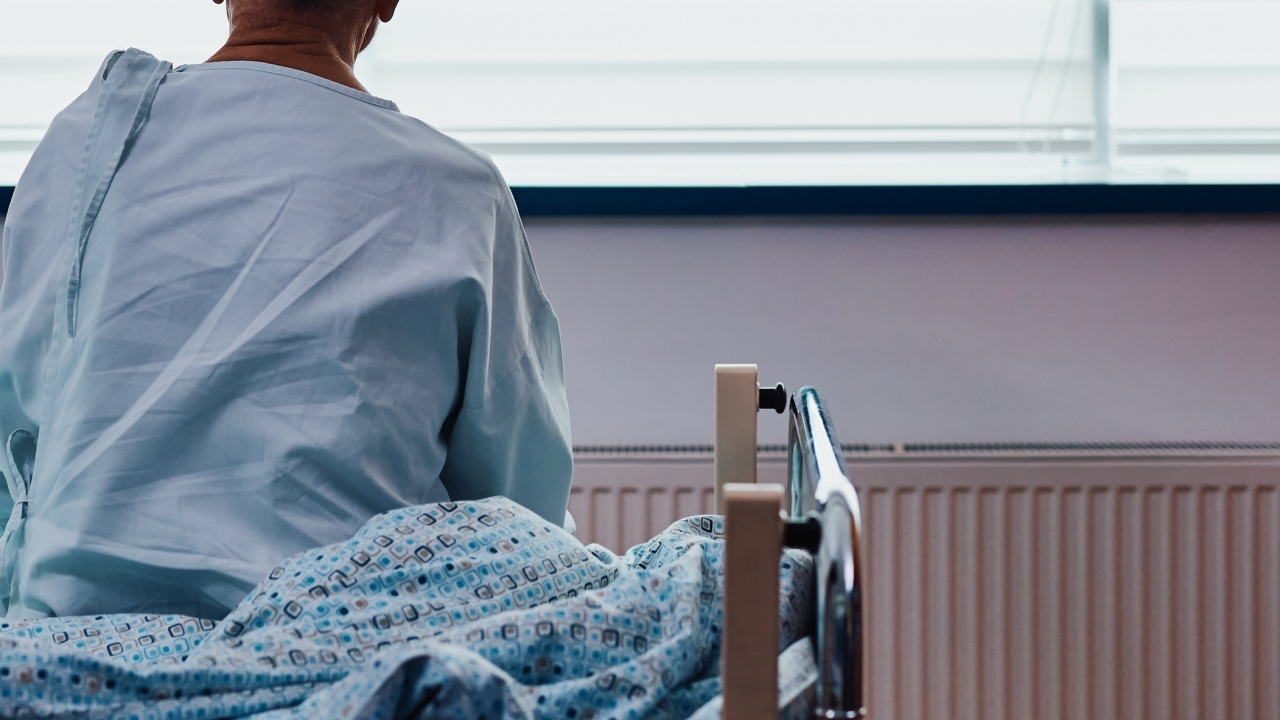
Two perspectives emerge as rescue workers bring a bedridden patient to see a doctor before returning him home, but family members refuse to accept him, citing inability to continue care. The true reasons have been revealed, and ultimately the patient had to be taken back to the hospital.
On 26 Aug 2016, according to a Facebook user report, “Yoi Phanndontri,” a volunteer with Ruamkatanyu Foundation, posted a story with video after picking up a bedridden patient from his home to take him to the hospital. Later, they were asked to return the patient home, but upon arrival, the family declined to accept him back, raising questions about how volunteers can proceed amid online public criticism.
The reporter found the incident occurred on 25 August 2016 at about 09:30 when Ruamkatanyu Foundation's communication center instructed staff to assist a 77-year-old bedridden male patient who was weak and had pressure sores on his back. The rescuers collected the patient from his home and took him to Lat Bua Luang Hospital.
After examination, treatment of the pressure sores, and general health checks, doctors and nurses found no abnormalities or complications requiring hospital admission. Emergency staff therefore arranged for the foundation volunteers to return the patient home.
Chaiwat Phanndontri, a Ruamkatanyu Foundation volunteer at Lat Bua Luang who posted the story, said he has volunteered for over 30 years but had never encountered such a case. After receiving the call, he collected Mr. Damri, 77, a bedridden patient, from home and took him to hospital for pressure sore treatment and examination. When the doctor found no complications, they were asked to return the patient home. However, upon arrival and about to unload the patient, the wife informed them not to bring him inside and refused to accept him back.
Chaiwat said he tried to discuss where to take the patient, but no agreement was reached, so he called the police for assistance. Still, the family would not accept the patient, so he decided to return him to Lat Bua Luang Hospital because there was nowhere else for the patient to stay and he was concerned, plus he had other patients to attend to.
Back at the hospital, doctors and nurses took the patient in for care since no relatives had come forward. Chaiwat confirmed that Lat Bua Luang Hospital provides good care; initially, the patient did not have symptoms requiring hospital stay, so returning home was coordinated.

Dr. Chutima Panneungpetch, attending physician at Lat Bua Luang Hospital, said the hospital initially examined and tested the patient’s blood with no abnormalities found. They coordinated with local officials to return the patient home, but upon arrival the family would not accept him as reported. After the foundation staff brought the patient back, the hospital admitted him for care and contacted the Ministry of Social Development (MSD) to assess assistance options, including possible placement in appropriate shelters or care facilities.
Dr. Chutima added that they have yet to contact the patient's relatives. The patient had reported having two children. If relatives cannot be reached, the MSD will continue efforts to locate family and coordinate with relevant agencies.
Regarding why the hospital did not admit the patient initially, it was because examinations showed no abnormality or condition requiring hospitalization. Given the patient’s advanced age, unnecessary hospital stays were avoided to reduce infection risks. The patient has a history of treatment at Lat Bua Luang Hospital, including about four months of prior hospitalization.
Meanwhile, Mr. Od, headman of Village 1, Lat Bua Luang Subdistrict, said in a phone interview that he and local health volunteers had been monitoring the patient. The patient had lived at that house with his wife before they separated and he formed a new family. As he aged, he returned to live at the original house until he became ill and bedridden.
Regarding why the wife cannot care for the patient, the headman said she is also elderly and has health limitations, unable to assist with lifting, bathing, or daily care. Moreover, the couple has been separated for a long time, which may contribute to the situation.
Initially, the headman coordinated with health volunteers, Lat Bua Luang Hospital, and local administrative organizations to find ways to help the patient. They plan to ask the hospital to keep the patient for now and consider using the patient's senior citizen benefits and other support funds to cover care expenses.
Additionally, they have contacted the elderly care facility “Wasanawech Elderly Care” to take the patient, but are awaiting response and placement availability. Local agencies affirm they will not abandon the patient and are working urgently to find appropriate assistance.
Mrs. Ma, 77, revealed she is the second wife. Three people live in the house: herself, her child, and grandchild. She was married to the patient and lived together since 1985 but separated in 2008 and have not lived together for many years.
About a year ago, the patient returned seeking to live in the house again. She allowed him to stay out of compassion, not expecting the current situation, until he fell ill and became bedridden.
Mrs. Ma said she is now elderly with health problems and difficulty walking, so she cannot care for a bedridden patient, including lifting, bathing, or daily routines. She also has family care responsibilities and limited income, lacking strength and finances to provide care.
Regarding the conversation with foundation staff shown in the video, Mrs. Ma admitted it stemmed from stress and unpreparedness to care for the patient. She insisted she did not intend harm or abandonment but cannot continue care as they have long been separated.
Mrs. Ma concluded that she wants relevant agencies to assist and find a suitable facility to care for the patient, as she lacks the strength and resources to care for him at home any longer.
Currently, relevant agencies are coordinating to find assistance and appropriate care facilities. Lat Bua Luang Hospital continues caring for the patient while coordinating with the Ministry of Social Development and local agencies to locate relatives and resolve the issue.