

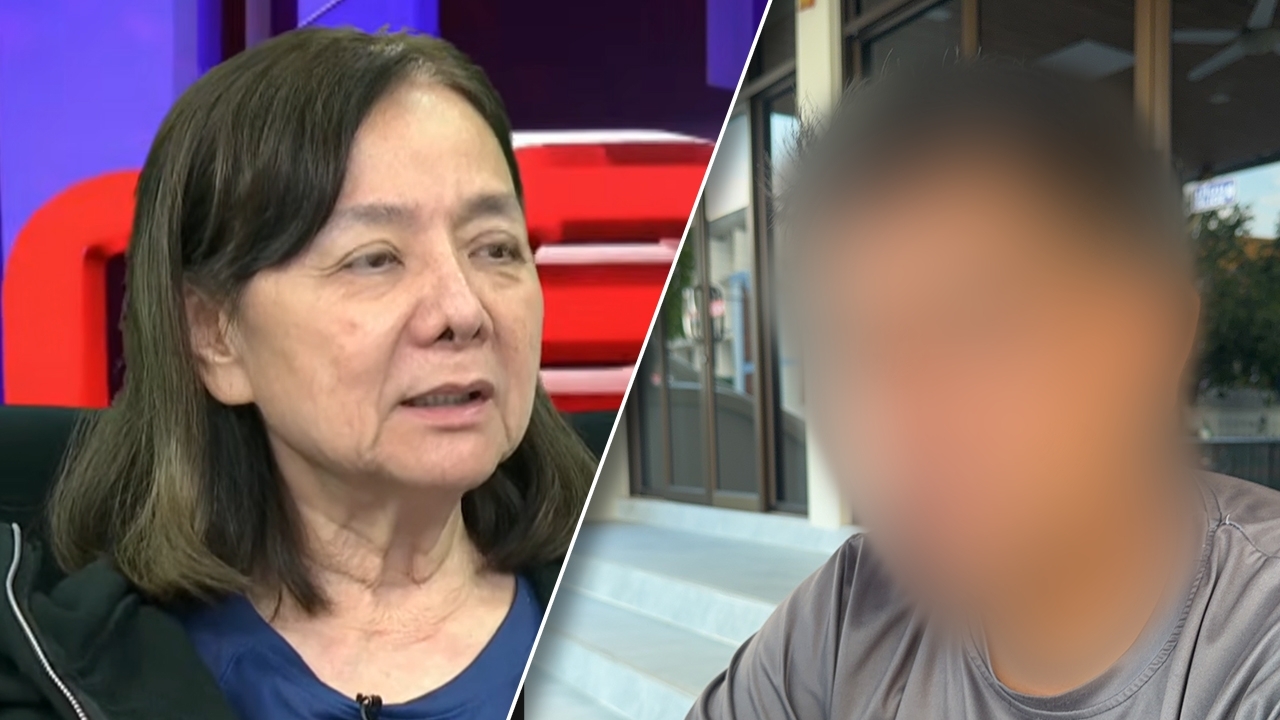
Private ambulance personnel clarified they did not assault “Mae Patra,” describing the events before transporting her to the Sothornchai Center. They confirmed that ropes were indeed used to restrain her due to severe agitation and expressed no concern about facing legal action.
Updates on the controversy surrounding the custody and transfer of “Mae Patra,” a psychiatric patient, to a care center in Kanchanaburi Province. Previously, there were rumors and doubts about the private ambulance team’s procedures, with Mae Patra alleging physical abuse during transport, as reported earlier.
Thairath TV reporters spoke with a private ambulance nurse involved in moving “Mae Patra,” who explained the situation and insisted on their innocence. They denied any physical abuse or mistreatment as alleged and stated there was no vehicle change. They recounted that on that day, three staff were present, but due to the patient’s violent resistance, they had to stop and switch to larger personnel. Inside the ambulance, ropes were used because the patient was agitated, verbally abusive, violently resisting, and threatening the team with scissors. They obtained permission from “Khun Benz,” the patient’s son and the person who requested the transfer, to restrain her hands and feet for safety.
Regarding the phrase “not fatal,” they explained it was said to discourage struggling, as the patient was upset about being restrained. The staff said, “This pain isn’t fatal; if you stop struggling, you won’t hurt,” but acknowledged that in over ten years of work, they had never encountered a patient like “Mae Patra.”
Mr. Theerapong explained why they did not request official psychiatric documents: the operation was conducted in person with full consent from the patient’s children at every step. He and Khun Benz did not know each other personally; Benz found their number via a page and called two or three times, explaining his mother’s violent behavior toward family members and requesting transfer to the psychiatric care center in Kanchanaburi.
When asked about concerns over legal action, Mr. Theerapong said they were not worried because they performed their duties according to the family’s wishes. He asked that judgments be based on clear evidence and understanding of the psychiatric patient transport staff’s work. He affirmed over ten years of experience with all kinds of cases, with family members notifying and confirming the patient’s condition throughout. On the pickup day, the children accompanied the patient to supervise because the nursing team is not family. That day, Khun Benz and his sister were present; Benz’s wife was not.
Mr. Theerapong also revealed a recorded conversation with the ambulance team in 2024 to confirm they picked up “Mae Patra” at Lat Phrao 62 Alley as instructed. The incident occurred on 21 Feb 2024, and they transported her to the psychiatric care center in Kanchanaburi Province.
Upon boarding the patient, the team typed messages noting the patient was yelling and complaining. They advised sticking to their duties and avoiding arguments, as arguing would achieve nothing. This was normal communication to prevent the patient from overhearing their discussion.
Asked if anything unusual occurred upon arrival at the care center, Mr. Theerapong said, “No.” She was admitted to the standard intake room because the nursing transport team’s role ends there; the patient’s relatives handle subsequent procedures.
Finally, when asked if the nursing team can initially tell if someone is not mentally ill, Mr. Theerapong said there have been cases where patients were not mentally ill. When the team arrived, the patient behaved well, and relatives had to discuss privately. Patients never treated before have no documents. In Mae Patra’s case, the team found her dirty, unbathed, with disheveled hair and a filthy home. The nursing team could only follow the family’s requests and could not assess internal family issues.