

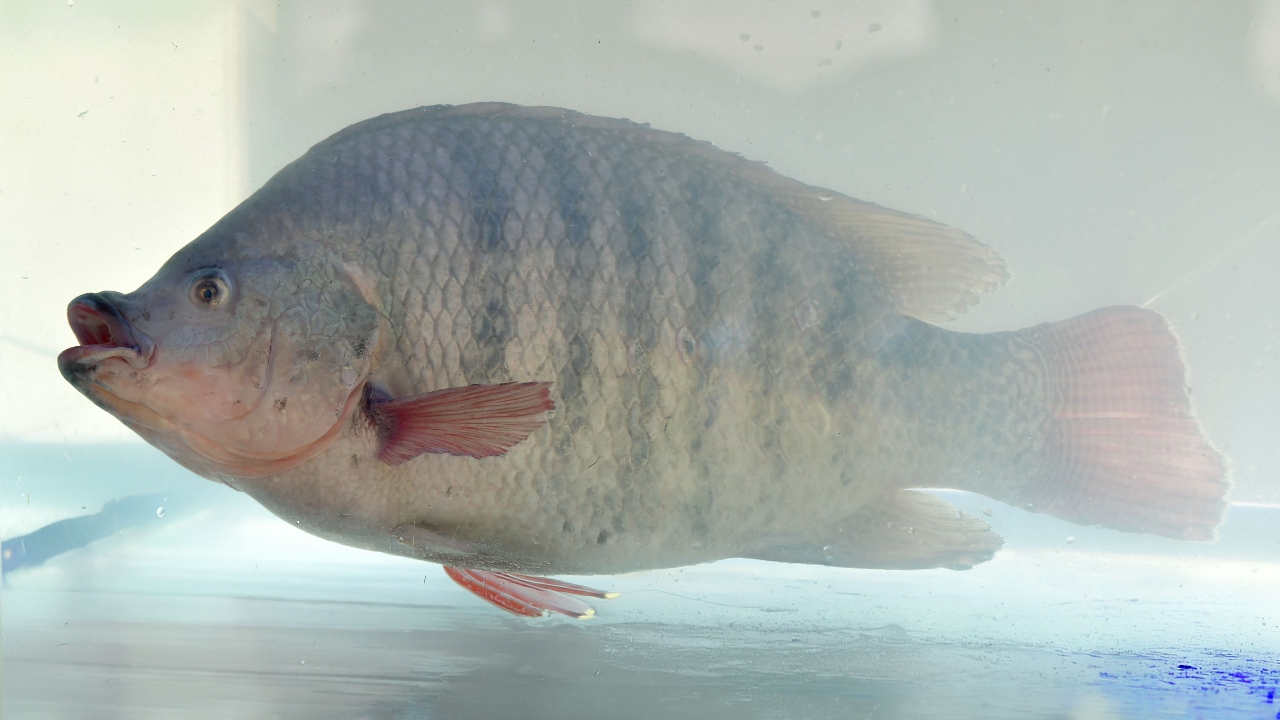
“Betong Flowing Stream Nile Tilapia” has been designated as Yala's 6th GI product. This premium fish comes from the flowing waters of the Sankalakhiri mountain range, featuring firm flesh, a sweet flavor, and no muddy odor. It is expected to generate an economic value of 19 million baht annually for the province.
On 11 Feb 2026 GMT+7, Ms. Airin Panrit, Deputy Spokesperson of the Prime Minister's Office, announced that the government, through the Department of Intellectual Property under the Ministry of Commerce, has registered a new Geographical Indication (GI) product. "Betong Flowing Stream Nile Tilapia" This is the 6th GI product of Yala province, following Banning Star Stone Banana, Yala Water-Shedded Durian, Betong Shogun Orange, Betong Mist Mangosteen, and Yala Betong Chicken, all of which are food-related GI products.
They are confident that GI registration will add value to the product, assure consumers of its quality and origin, enhance farmers' market competitiveness, and increase their income.

Regarding Betong Flowing Stream Nile Tilapia, it has distinctly superior quality compared to ordinary Nile tilapia due to favorable geographical factors supporting agriculture. Its production area is in the Sankalakhiri mountain range, which has a rich ecosystem influenced by both the southwest and northeast monsoon winds, resulting in cool air with average temperatures of 27.5–28.5 degrees Celsius, frequent mist and rainfall year-round, and streams with high oxygen levels because of constant water flow.

Local farmers apply indigenous knowledge by diverting water from streams into fish ponds, producing tilapia with firm, springy flesh, slight marbling fat, and a natural sweet taste. The fish is notably clean, free of muddy odors, and has less fishy smell than typical tilapia, making it suitable for sashimi dishes.

“Because of its unique qualities and long-standing recognition, many restaurants and eateries prefer to create diverse dishes using Betong Flowing Stream Nile Tilapia, providing income to local farmers. Annual production is about 163,000 kilograms, with an average price of 120 baht per kilogram, generating over 19 million baht in economic value for the province each year,” Ms. Airin stated.
