

Roi Et elevates "Ban Prang Ku" as a model for community tourism experiencing local ways of life, while driving sustainable grassroots economic development.
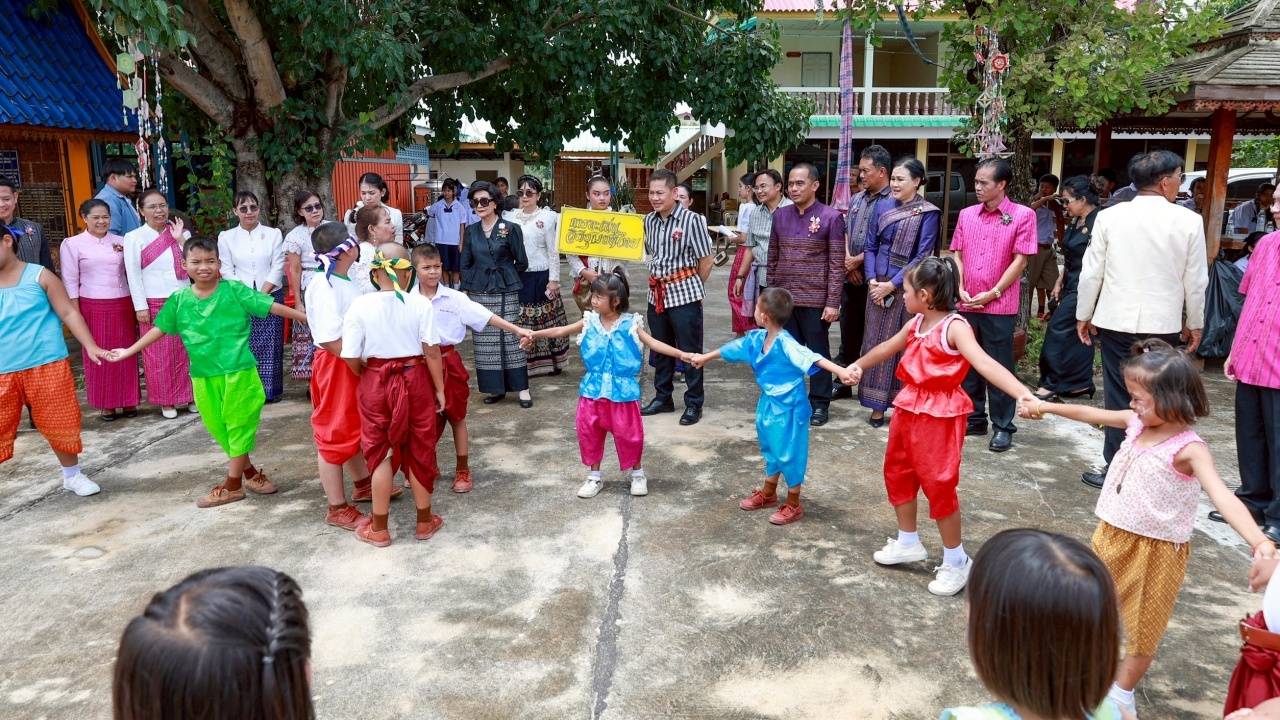
On 17 July 2026, reporters observed that at Wat Srirattanaram (Wat Ban Prang Ku) in Ban Prang Ku, Ma U subdistrict, Thawat Buri district, Roi Et province, locals of all ages and government agencies warmly welcomed visitors. This atmosphere reflected not only the event but symbolized a community managing its own cultural capital to transform historical heritage and local wisdom into economic opportunities.

Mr. Pichaya Turasong, Deputy Governor of Roi Et, presided over the opening of the 2026 fiscal year project promoting cultural capital in the model community "Community Tourism Experiencing Local Ways of Life." The Ministry of Culture selected Ban Prang Ku as a model for developing living cultural tourism to create jobs, generate income, and sustainably drive the grassroots economy.
The event included Mr. Somsak Sadood, Roi Et provincial culture officer; Mrs. Ranee Wonglun, provincial development officer; Mrs. Jiraporn Boonpo, Director of the Roi Et Provincial Office of Buddhism; Associate Professor Dr. Satit Kritlak, Chairman of the Roi Et Provincial Culture Council; Mrs. Rungtiwa Tharanee, President of the Roi Et Tourism Business Association; representatives from Thawat Buri district, government department heads, and network partners attending together.
Many areas in Thailand have valuable ancient sites, but what sets Ban Prang Ku apart is how the community harmoniously connects the past with the present. At the heart is Prang Ku, an ancient site from King Jayavarman VII's era, a key evidence of Khmer civilization in Northeast Thailand. Tourism here goes beyond viewing ruins, extending to experiencing local lifestyles, culture, and wisdom preserved by the villagers.
Mr. Somsak Sadood, Roi Et provincial culture officer, said the project is supported by the Office of the Permanent Secretary of the Ministry of Culture to upgrade the model community "Community Tourism Experiencing Local Ways of Life" into a valuable cultural tourism destination.
Ban Prang Ku was selected due to its readiness in management, community participation, and strong identity in traditions, culture, food, tourist attractions, and accommodations, all of which can be developed into a learning center and generate long-term economic value.

The key concept is transforming cultural capital into economic capital without damaging the community's roots. Notably, Ban Prang Ku's progress is driven not only by government agencies but by collaboration across all age groups: children and youth act as community storytellers, sharing history and life from a younger perspective; elders perform cultural arts, transmit wisdom, and teach handicrafts; women's groups and community enterprises develop local foods, processed products, and souvenirs; while local entrepreneurs enhance homestays and tourism routes, ensuring income circulates widely within the community.
A highlight of the event was presenting local dishes reflecting community wisdom and identity, such as free-range chicken soup, "Tam 18 Angels," ancient rice porridge, and herbal drinks. These are not merely local dishes but narratives of lifestyle, beliefs, and wisdom that can develop into culinary Soft Power, offering new experiences for tourists and increasing economic value for the community.
Additionally, demonstrations included traditional Thai massage, herbal compress making, basket weaving, local handicrafts, and sales of cultural products, alongside promotional media development for tourism routes to raise awareness and attract both Thai and international tourists.
Mr. Pichaya Turasong, Deputy Governor of Roi Et, stated that the province prioritizes leveraging cultural capital into economic capital. Ban Prang Ku is a strong community with distinct identity and potential to develop into a comprehensive cultural tourism destination, which will help create jobs, increase income, and sustainably improve residents' quality of life.
Ban Prang Ku's success comes from integrated cooperation among many sectors: Thawat Buri district chief, Roi Et provincial culture council, Thawat Buri culture council, Ma U subdistrict municipality, Thawat Buri development office, Ban Yang Ku school, Ma U elderly school, community leaders, Roi Et Tourism Business Association, along with government, private sector, and network partners jointly promoting community-based tourism alongside cultural heritage conservation.
Although Ban Prang Ku may be just one community in Thawat Buri district, if development continues steadily, it could become a model for using cultural capital to build a strong grassroots economy and a key destination for cultural tourism in Northeast Thailand.