

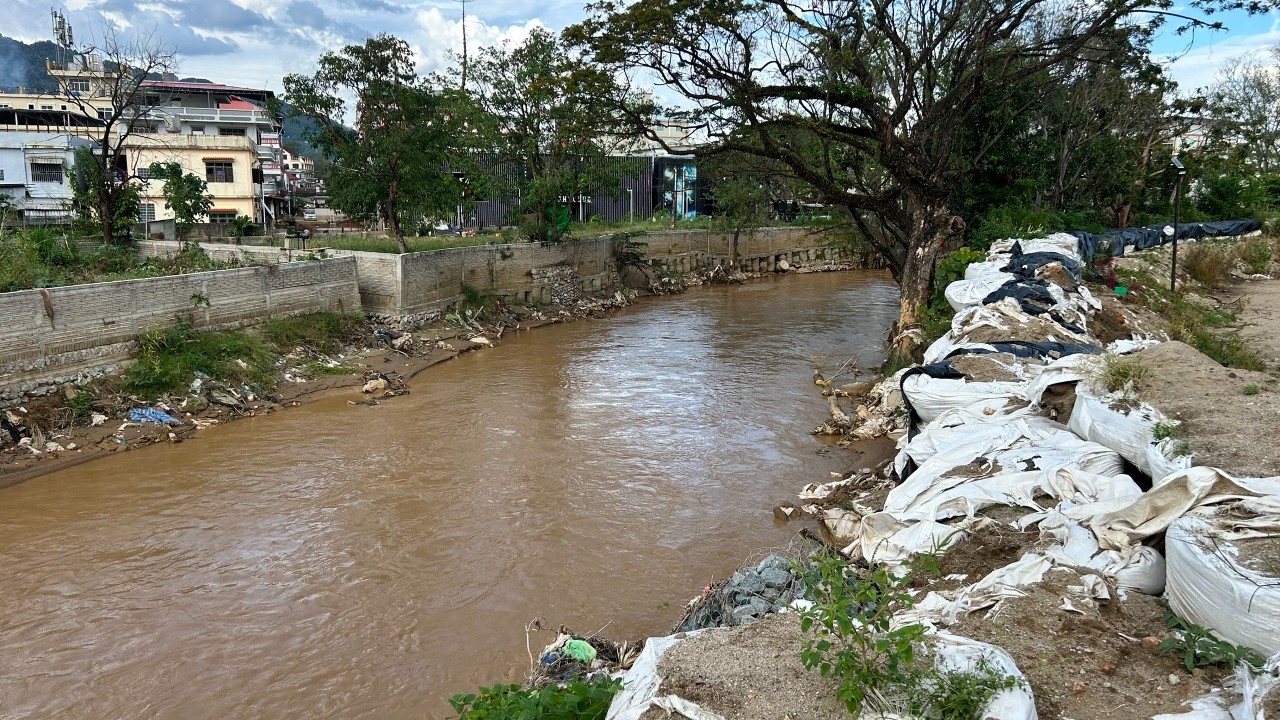
Mae Sai is sinking in pollution as the river turns a deep red with arsenic contamination soaring 28 times above safety levels. Residents fear toxins will seep into vegetables and groundwater and call on the government to address the issue seriously and effectively. Tags: [pollution, Mae Sai, river contamination, arsenic, government response, water quality, agriculture]
On 8 Nov 2026 GMT+7, reports indicate the situation in Mae Sai District, Chiang Rai Province, remains critical after the Mae Sai River became severely discolored, turning an alarming deep red hue. Tags: [Mae Sai, river pollution, Chiang Rai, environmental crisis]
Tests by the Pollution Control Office 1 (Chiang Mai) confirm arsenic levels in the Mae Sai River exceed standards by 28 times. This contamination is believed to result from soil erosion upstream combined with heavy rainfall. Additionally, insufficient tap water production has forced authorities to urgently deploy water trucks to provide temporary drinking water aid to residents.Tags: [Pollution Control Department, arsenic contamination, water quality, emergency water supply]

Mr. Jatuwitch Dokmai, assistant village headman of Muang Daeng Village 2, Mae Sai Subdistrict, explained that residents understand this lingering pollution traces back to the 2024 landslide that swept toxins from the upstream mines in the Tha Khilek area into the local environment. Consequently, Mae Sai residents now live “buried in pollution” in both soil and water. Their greatest concern is contamination of vegetables and rice crops, as they continue to consume produce grown on polluted land.Tags: [local official, pollution source, landslide, soil contamination, agriculture impact]

Although authorities have issued warnings to avoid consuming aquatic animals from natural water sources, villagers’ livelihoods remain closely tied to agriculture and daily labor, such as collecting snails from rice fields and harvesting water spinach for market sales. These activities risk passing residual toxins to consumers. The agricultural area relying on Mae Sai water spans five subdistricts. Villagers urge the government to urgently resolve the problem long-term instead of merely collecting water samples and then disappearing without sharing results with the public.Tags: [public health warnings, agriculture, food safety, community livelihoods, government accountability]

Concerns have also spread to groundwater use. A local farmer growing garlic less than 50 meters from the Mae Sai River said although not using river water directly, they worry underground water pumped for irrigation might be contaminated. Officials have only conducted one groundwater sampling 2-3 months ago, with no follow-up, causing significant distrust among residents.Tags: [groundwater contamination, agriculture, water testing, community concerns]

Similarly, Mr. Samai Mongkolklee, 65, a garlic farmer supplying Mae Sai morning market for over 30 years and whose farm lies about 200 meters from the river, expressed frustration and fear that toxins might infiltrate his garlic plants. Feeling powerless as a small-scale farmer with no voice, he said he can only endure and live alongside contaminated water, hoping the government will finally take serious action to resolve the issue.Tags: [farmer testimony, contamination fears, community impact, government action plea]