

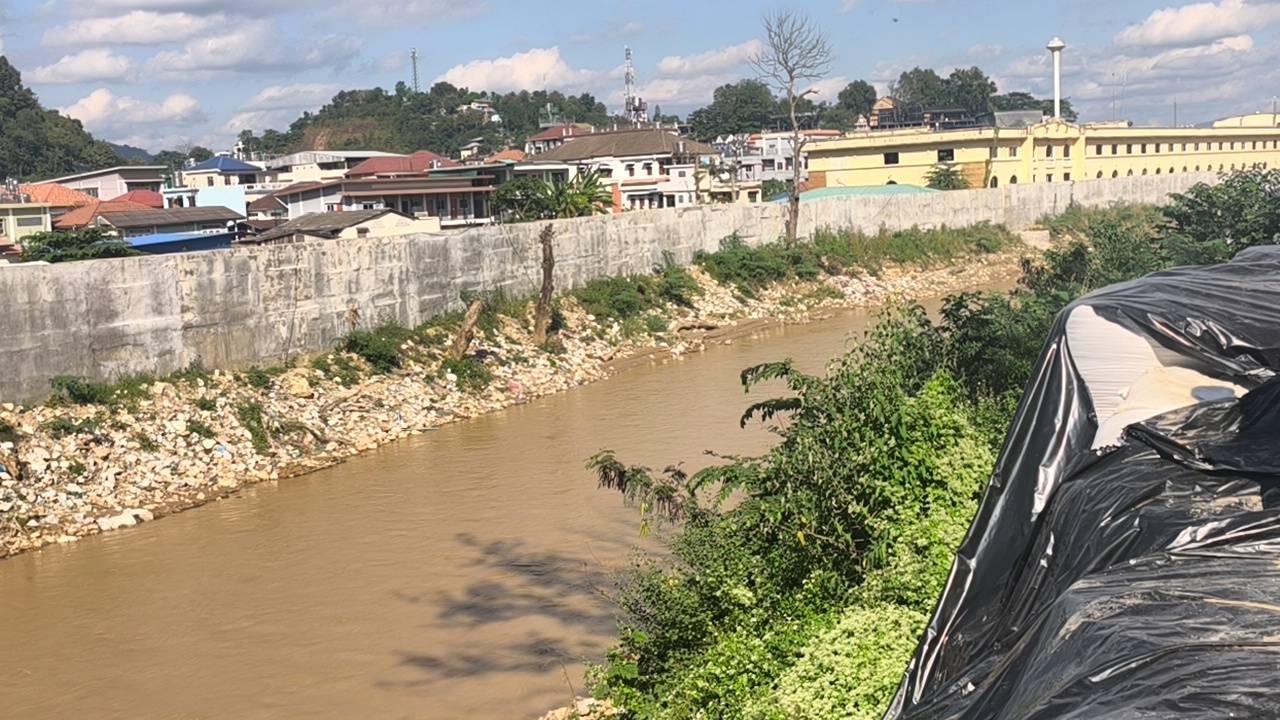
Residents in Mae Sai district, Chiang Rai province, remain fearful of arsenic contamination in water sources and are urging the government to urgently resolve mining issues, concerned about long-term impacts on health and the community economy.
On 23 Nov 2026 GMT+7, reporters covered the toxic contamination problem in Mae Sai district, Chiang Rai province, reporting that many residents still rely on drinking water from government mobile trucks at various service points. Many households keep stored tap water for emergencies when the raw water from the Mae Sai River becomes too murky for water production.
Mr. Mun Chaivong, 62, a resident of Tham Pha Chom village in Mae Sai district, said the Mae Sai River remains constantly murky, making normal use impossible. Even during the Loy Krathong festival, when sand was traditionally taken from the river for temple use, no one dares to do so now due to arsenic fears. In addition, residents bear the cost of buying drinking water and avoid eating locally grown vegetables.
Ms. Kannika Promtiam, 45, from San Mana village, Mae Sai subdistrict, said villagers are worried after health screenings of 28 people found 4 with arsenic levels above the standard, raising concerns about long-term health effects, especially since they continue living in an environment potentially contaminated with toxins.

Mr. Somkiat Khueanchiangsa of the River for Life Association said they expect the government to recognize and urgently address the public’s distress across three key dimensions: environmental impacts, which are severe with contaminants found in water, plants, and aquatic animals.
The second dimension concerns economic and community lifestyle impacts, as farmers depend on water for cultivation and fishermen rely on catching fish for consumption and sale.
The third dimension involves public health impacts, with reports of toxins detected in residents living within one kilometer of the river, necessitating urgent and close monitoring and investigation.
They urge the government to conduct comprehensive impact assessments and promptly implement measures for remediation, restoration, and compensation for affected residents to prevent long-term harm to the quality of life and future of the river basin communities.