

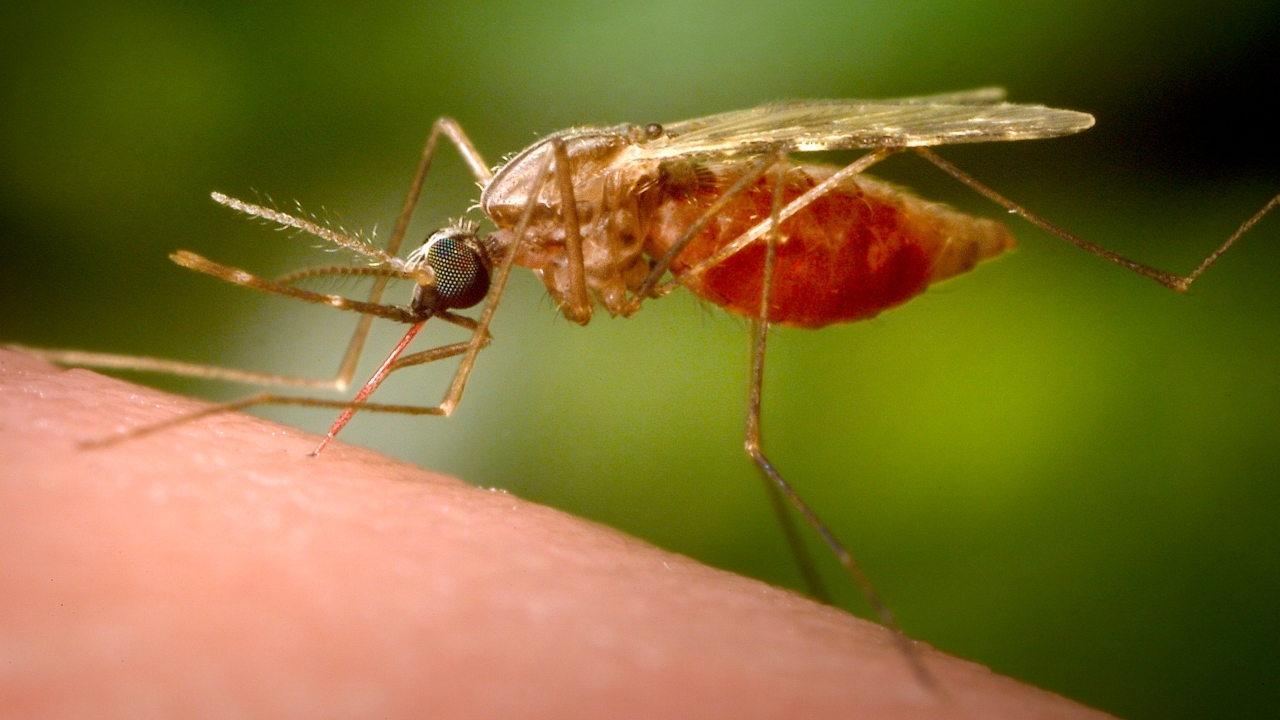
The Ministry of Public Health ordered a lockdown of five red-zone subdistricts at the Tha Sae border after detecting 176 malaria cases since the start of the year—a record high. Strict "1-3-7" measures were launched to curb the outbreak, along with recommendations to observe early symptoms.
On 5 Jun 2026 GMT+7, Mr. Sitthichai Chujeen, Public Health Officer of Tha Sae District, chaired an urgent joint command meeting with the Tha Sae District Public Health Volunteers Club committee and presidents and secretaries from 17 Subdistrict Health Promoting Hospitals (SHPHs). Mr. Samran Chaichana and Mr. Charan Khleekesorn, two specialist public health academics from Chumphon Provincial Public Health Office, also joined to plan malaria outbreak containment, launching operations at five hot-spot areas after case numbers exceeded targets.
Mr. Sitthichai Chujeen, Public Health Officer of Tha Sae District, disclosed that from 1 January to 3 June 2026, 176 malaria cases have been confirmed—a record-high figure expected to rise further. The outbreak is concentrated in five high-risk border subdistricts: Hin Kaeo, Rab Ro, Hong Charoen, Salui, and Song Phi Nong. Immediate orders were given for border SHPHs to collaborate with public health volunteers to conduct door-to-door notifications to alert residents and jointly halt the spread.
Tha Sae District Public Health Office urgently advises the public to watch for symptoms early: high fever, severe chills, headaches, body aches, alternating fever drops with profuse sweating in cycles daily. These are dangerous signs warranting immediate medical attention.

Furthermore, Mr. Sitthichai announced the implementation of the highest-level control measures known as "1-3-7": (1 day) immediate reporting of detected cases with full transparency; (3 days) dispatch of disease investigation teams to conduct thorough field investigations to identify infection sources; (7 days) execute intensive community control operations including fogging insecticide and distribution of insecticide-treated nets to break the transmission cycle and prevent widespread outbreaks.
Additionally, residents are urged to cooperate by wearing long-sleeved light-colored shirts and long pants, applying mosquito repellent, sleeping under mosquito nets at all times, and managing the environment by eliminating mosquito breeding sites such as water-filled depressions or rubber plantation furrows. Chemical spraying on house walls is also conducted promptly to destroy adult mosquitoes.