

Deputy Prime Minister Bowornsak explained the government holds full authority except for approving new projects and civil service transfers. A meeting with the Election Commission is scheduled for 15 December to discuss elections, including whether the co-payment plus phase 2 scheme and the Cabinet's mobile meeting in Hat Yai can proceed, as these are ongoing issues from before Parliament was dissolved.
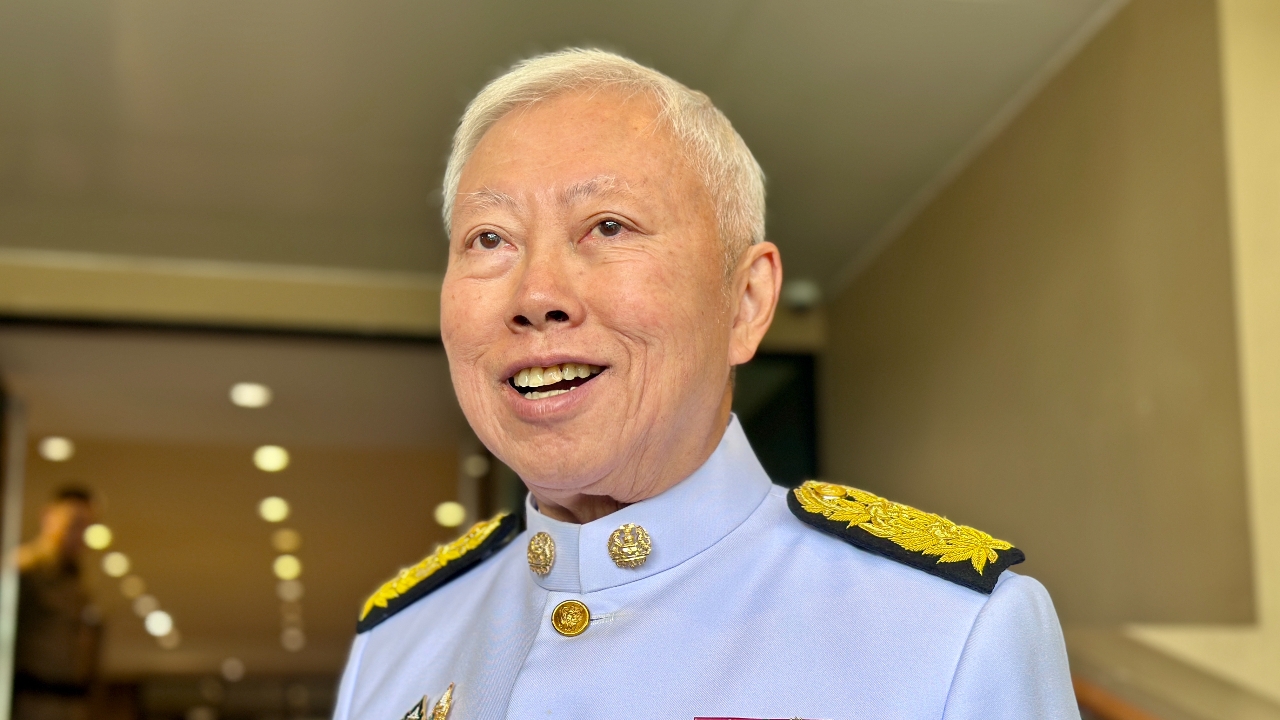
At 08:45 on 12 December 2025 GMT+7, Deputy Prime Minister Bowornsak Uwanno gave an interview at the Government House following the royal decree dissolving the House of Representatives. When asked whether there would be a special Cabinet meeting, Bowornsak said there would not be one. The Cabinet meeting will proceed as usual on 16 December, since there is no reason for a special session.
When asked about the caretaker government's operational guidelines, Bowornsak said the term 'caretaker government' is used by academics but does not appear in the Thai constitution. This government still has a Cabinet that performs duties until a new Cabinet takes office after the general election, with full authority over all matters including security and international relations. However, there are prohibitions on certain actions. Two prohibitions are: no new projects that would bind the incoming Cabinet, and no use of state resources—including personnel and vehicles—for election campaigning.
"Regarding some issues the Cabinet discussed before Parliament dissolution, such as the co-payment plus phase 2 scheme to boost the economy, we must consult the Election Commission on whether approval is possible. Also, the official Cabinet mobile meeting scheduled for 23 December in Hat Yai district, Songkhla province, aimed at restoring Hat Yai and signaling to Malaysian tourists that the area is back to normal for the New Year influx, is not electioneering. The Prime Minister informed the people of Songkhla and Hat Yai during the Cabinet meeting on 9 December about this plan. These are ongoing matters, not new ones, so they should proceed."
Furthermore, two matters require Election Commission approval: civil servant appointments and transfers, and use of the central budget reserve for emergency or necessary expenses. Otherwise, the government retains all powers as usual, including security matters. It can still declare emergency situations, maintain international relations, and conduct disaster relief. But if additional central budget funds are needed, Election Commission approval is required under the constitution.
"I emphasize that 'caretaker government' is an academic term and there is no need for concern. The government will meet with the Election Commission on Monday, 15 December, to discuss election matters."
When asked about the referendum questions, Bowornsak revealed there will be two: first, whether the public approves drafting a new constitution, as the parliamentary session passed four drafts for the Cabinet to choose from; second, the Cabinet can independently ask if the public approves or rejects the MOU for a given year. He also noted that the law does not require exactly 60 days between election announcement and voting; according to section 11, last paragraph, of the Referendum Act, the Cabinet may set a new date for budgetary or other reasons. For example, an election on 8 February 2026 would be only 58 days away, which is considered acceptable and lawful.