

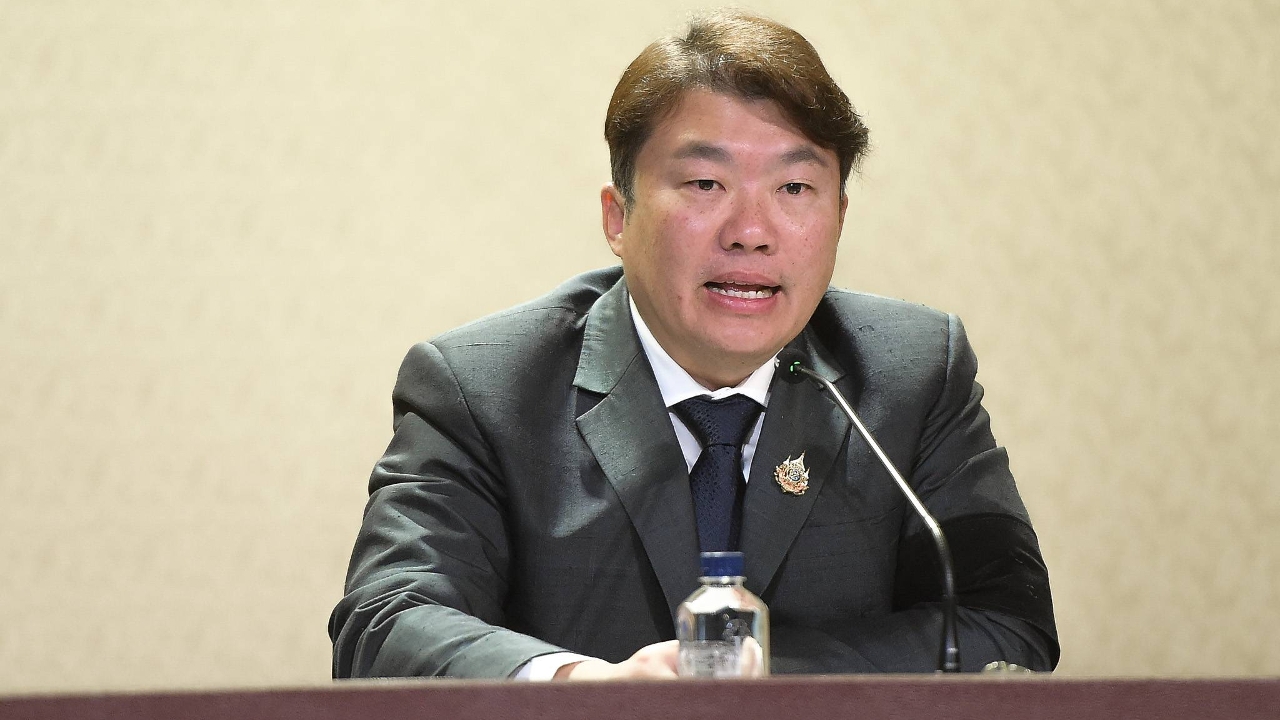
The government spokesperson confirmed receiving a signal from the U.S. Trade Representative to proceed with trade negotiations and expressed confidence that Thailand's proposals have not failed, emphasizing that all decisions prioritize national interests.
On 14 Dec 2025 GMT+7, Mr. Siripong Angkasakulkiat, spokesperson for the Prime Minister's Office, revealed that following a telephone discussion between Prime Minister Anutin Charnvirakul and U.S. President Donald Trump on the evening of Friday, 12 December, the Thai government received a clear signal from the U.S. Trade Representative (USTR) about their readiness to continue trade negotiations with Thailand.
The government spokesperson stated that this signal indicates Thailand's proposals have not failed and are still being seriously considered by the U.S. side, even though the ceasefire at the Thai–Cambodian border has yet to be realized. The Thai government must implement policies and make decisions based primarily on national interests, security, and the country's safety.
The spokesperson emphasized that Thailand's position remains clear and consistent: a ceasefire can only occur if the Cambodian side complies with the demands and conditions Thailand has proposed, aiming for lasting peace based on responsibility and respect for international obligations.
Additionally, the spokesperson shared further information from Ms. Supachai Sutthumphun, Minister of Commerce, who said the Ministry has consulted with senior officials from the U.S. Embassy in Thailand, highlighting the mutual benefits for both countries from expediting trade negotiations. They also proposed that the U.S. consider separating security issues from trade matters to avoid delays that could affect the economic interests of both sides.
The spokesperson added that the Ministry of Commerce also reported discussions with the U.S.-ASEAN Business Council (USABC) and over 40 U.S. business investors in Thailand, who agreed that trade negotiations should be concluded swiftly to promote trade, investment, and benefits for consumers in both countries, especially for products the U.S. cannot produce domestically, such as Thai jasmine rice and other agricultural goods.
In conclusion, the spokesperson said, “According to information received from the Ministry of Commerce this morning, the U.S. Department of State has informally notified that it will coordinate for the USTR to proceed with technical-level discussions with the Thai side. This is a positive sign for expanding trade and investment relations between Thailand and the U.S., fostering continuous and stable growth.”