

The Secretary-General of the Election Commission emphasized that candidates for MP who have been arrested or had assets seized are not considered disqualified unless they leave their party before 8 February 2026. He referred the investigation of donations to the Progressive Movement Party to the Anti-Money Laundering Office.
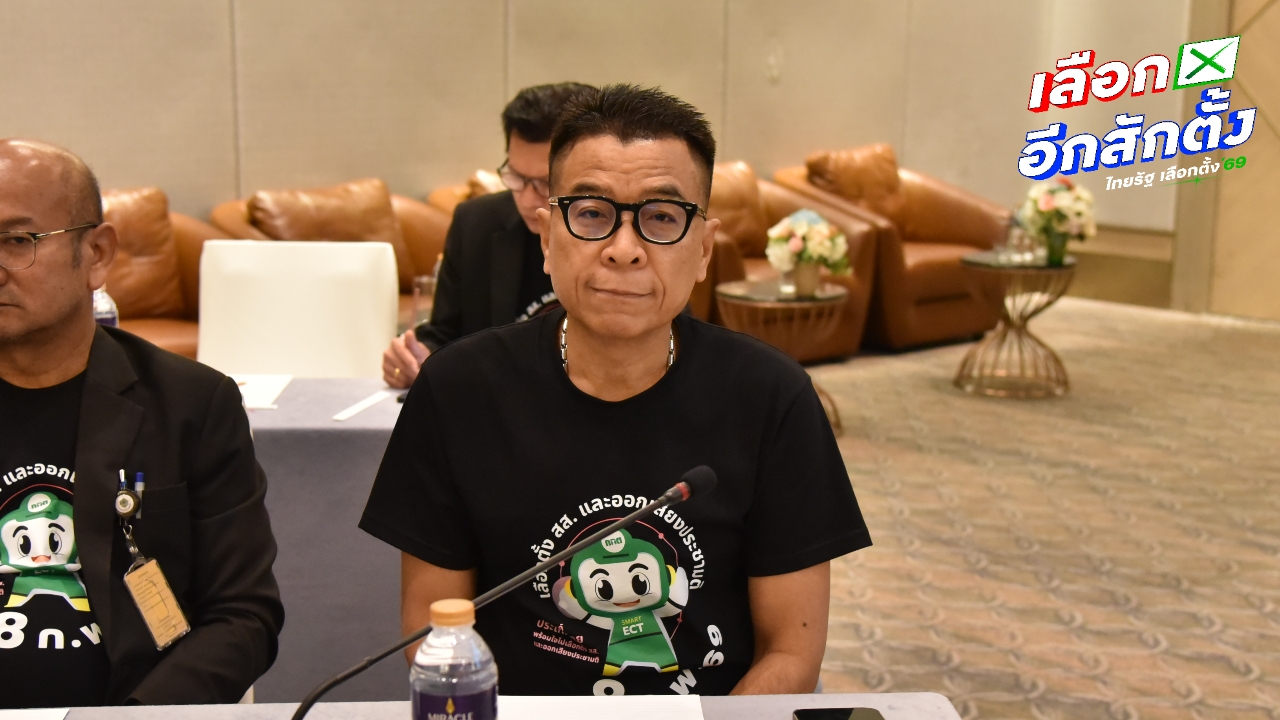
On 16 Jan 2026 at 09:30 at Asawin Grand Hotel, Mr. Sa-ngaeng Bunmee, Secretary-General of the Election Commission, addressed whether candidates arrested are disqualified from candidacy. He explained that candidates already announced who are later arrested and detained without bail remain candidates, as their case is still under investigation. Until 8 February 2026, they are eligible for election and voters may vote for them. Secondly, if a candidate loses party membership—which disqualifies them—they cease to be candidates, but this does not take effect immediately. Legal processes must be followed, including party regulations. Before the election date of 8 February, the election district director may file a petition with the Supreme Court to withdraw the candidate's name. If the court considers this in time, the commission will announce the candidate's removal, and votes for that number will be invalidated.
"However, if the petition is submitted late, for example one day prior, the court may not issue a ruling in time, and the candidate remains eligible on 8 February. The public may still vote for this candidate. If the candidate wins the highest number of votes, the Election Commission must then determine if the candidate is disqualified. If disqualified, the commission will annul the election results in that district and call for a new election. This is the legal process, but the facts must be observed further," the Secretary-General reiterated.
When asked if a party could be held liable if it knew of candidates possibly involved in illegal activity but took no action until arrests occurred, Mr. Sa-ngaeng said that eligibility is based on qualifications at the time of application. Until convicted, candidates are legally protected and considered innocent under the constitution.
Regarding Mr. Chonnapat Naksua, whose assets were seized by the Anti-Money Laundering Office, and whether he is still considered a People’s Party candidate, Mr. Sa-ngaeng said that according to constitutional section 98(6), disqualification requires a court conviction and imprisonment. Since the case remains under investigation and not yet in court, he remains qualified under election law. The same criteria apply to all candidates.
Asked about documents showing individuals sharing surnames with arrested People’s Party candidates donating to the former Progressive Movement Party, Mr. Sa-ngaeng said the Election Commission is already investigating. Political party donations reported to the commission undergo scrutiny. Having the same surname as an arrested candidate is not an issue. The key is whether the donation complies with political funding law section 73. For example, the Palang Pracharath Party received donations from various individuals, including Mr. Tu Hao. If donations are found illegal, the commission does not have authority to rule, as it lacks expertise; that role belongs to the Anti-Money Laundering Office.
Mr. Sa-ngaeng added that donations to dissolved parties are considered concluded, especially if new parties have been established. Donations from the political fund must be returned if unused. Political parties may set up foundations to receive funds or assets. According to political party law, these matters are settled. However, if issues involve money laundering laws, that is a separate matter.