

The government reported that PM 2.5 dust levels in Udon Thani, Khon Kaen, and Nakhon Ratchasima remain concerning, with severe health impacts. Other regions also show levels affecting health. Authorities advise wearing protective masks and closely monitoring health.
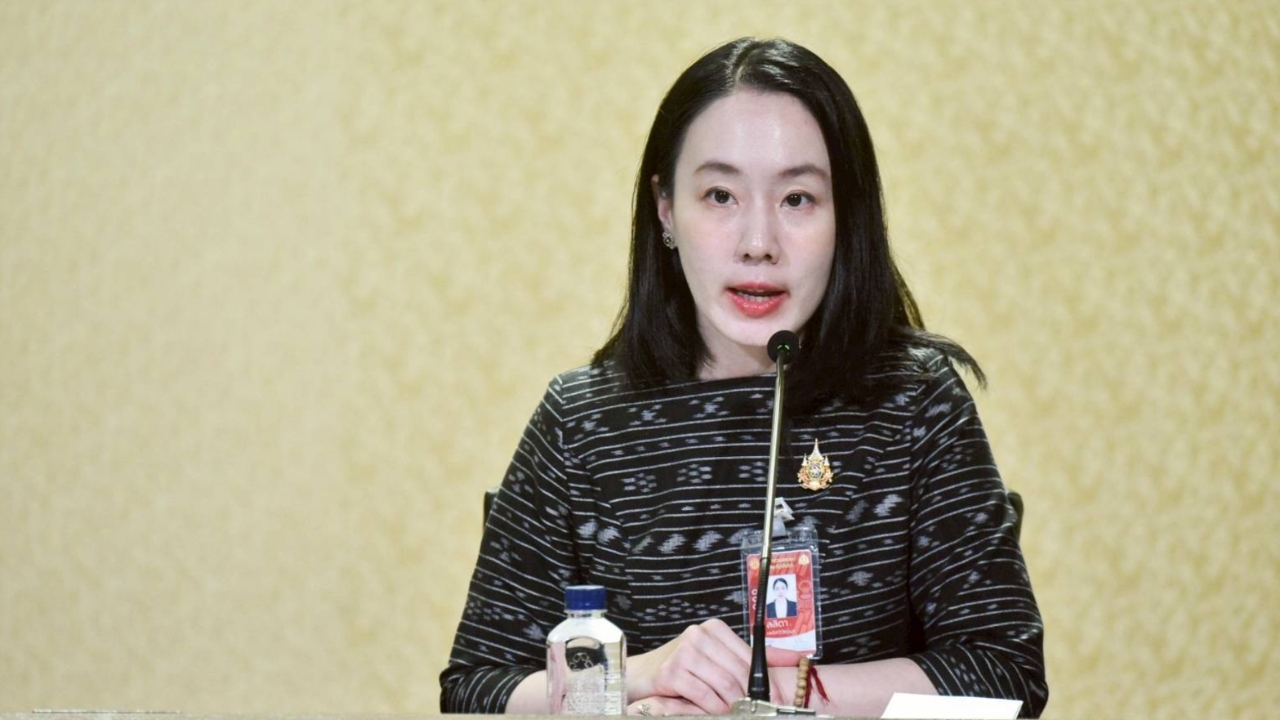
On 17 Jan 2026 GMT+7, Ms. Lalida Pertwivatana, Deputy Spokesperson of the Prime Minister's Office, disclosed a report on the PM2.5 fine dust situation based on the latest air quality measurements. Assessment from PM2.5 monitoring maps showed many areas in Thailand with dust levels ranging from those beginning to affect health up to hazardous levels, requiring close vigilance.
Ms. Lalida stated that in the Northeast, several areas including Udon Thani, Khon Kaen, Nakhon Ratchasima, and nearby locations recorded PM2.5 levels around 150–180 micrograms per cubic meter, classified as having severe health impacts. Meanwhile, the North and parts of upper Laos, especially Chiang Mai, Lampang, and the Mekong River basin, showed PM2.5 levels of about 60–130 micrograms per cubic meter, ranging from beginning to affecting health to definitely affecting health.
In the upper Central region, PM 2.5 levels ranged approximately 110–160 micrograms per cubic meter, with many areas experiencing health impacts. The Eastern and upper Southern regions mostly recorded dust levels between 60–90 micrograms per cubic meter, categorized as beginning to affect health.
Ms. Lalida added that, according to scientific assessments, detected dust levels remain many times above the World Health Organization (WHO) annual average standard of 5 micrograms per cubic meter. Fine particulate matter can penetrate lung alveoli and enter the bloodstream, affecting respiratory and cardiovascular systems and increasing long-term chronic disease risks. This situation aligns with stagnant weather, weak winds, pollution accumulation, and cross-border haze influences.
Ms. Lalida also said that health authorities urge the public to avoid outdoor activities, especially in areas where PM2.5 exceeds 50 micrograms per cubic meter. If going outdoors is necessary, wearing an N95 or equivalent dust mask is advised, along with close health monitoring. Vulnerable groups such as children, the elderly, pregnant women, and those with chronic conditions should stay indoors and minimize dust exposure as much as possible.
The public is advised to continuously monitor air quality updates and official warnings, and strictly follow health recommendations to prevent health impacts while dust levels remain concerning. Air quality information can be accessed via the website Air4Thai.pcd.go.th or the Air4Thai application.