

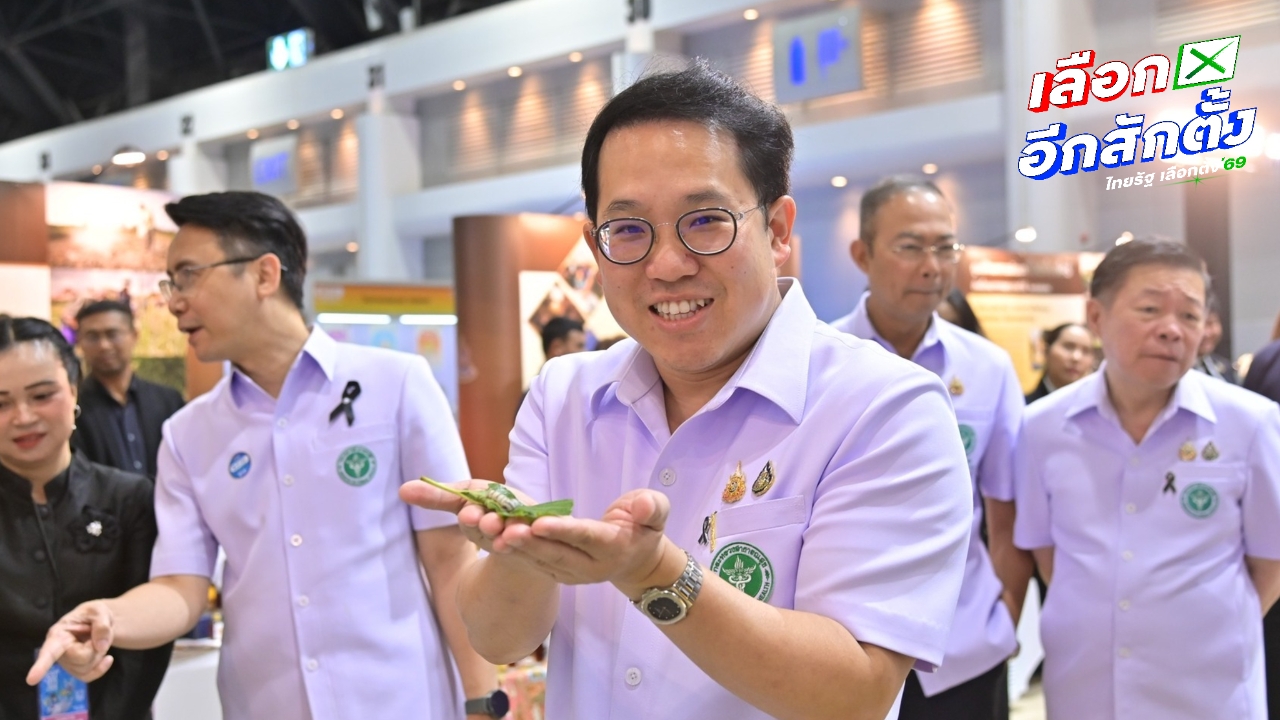
Phatthana explained the dismissal of Dr. Suphat related to five retrospective ATK purchases, denying any harassment of the People's Party and affirming the process followed normal procedures without being an urgent matter. The Secretary-General of the Council of State pointed out that the Election Commission has the authority to disqualify candidates, and disciplinary actions can be taken during a caretaker government.
On 27 Jan 2026 at 09:30 at the Government House, Mr. Phatthana Phonphat, Minister of Public Health, was interviewed regarding the Subcommittee on Civil Servants of the Ministry of Public Health's decision to dismiss Dr. Suphat Hasuwannakit, a candidate for Songkhla's 2nd district under the People's Party, from government service. Amid allegations of unfair harassment, he affirmed there was no harassment. The decision followed the investigation committee's process and was brought to the Subcommittee as a regular agenda item, not an urgent one. All procedures were followed, including summoning the accused for clarification. When asked if Dr. Suphat claimed he was not summoned, Phatthana said the summons followed normal procedures. Asked whether the retrospective ATK purchases violated regulations, Phatthana explained there were multiple instances of COVID testing using ATKs, with several procurement rounds—if memory serves, five in total. When asked if ATKs were used before procurement was completed, he said they were not taken from state inventory but was unsure of the source. All details are part of the investigation and Subcommittee's duties, which he chairs. Regarding claims that the purchases were cheap but still punished, he said the term "cheap" depends on what they were compared to. At the time, ATKs were procured from various sources; this was one source, but whether it was the cheapest is for the investigation committee to decide.
When asked whether this was seen as an attempt to undermine the People's Party by preventing a replacement candidate, Phatthana said it was unrelated. The matter followed normal procedures, and the meeting on 22 Jan did not treat this as an urgent agenda item. It was not the only matter; nearly 20 other disciplinary cases were also on the Subcommittee's regular agenda.
The Secretary-General of the Council of State noted that the Election Commission has the authority to disqualify candidates, and disciplinary actions can proceed during a caretaker government.
Mr. Pakorn Nilpraphan, Secretary-General of the Council of State, commented on the Subcommittee of the Ministry of Public Health's decision to dismiss Dr. Suphat Hasuwannakit, former director of Saba Yoi Hospital and People's Party candidate for Songkhla MP, over COVID test kit procurement. He said whether Dr. Suphat can still run in elections depends on the Election Commission's ruling under election law and the constitution. He noted that if dismissal was not due to corruption, the candidate could still run. The constitution states that dismissal for corruption or misconduct leads to disqualification. However, he was unaware of the details and said the Election Commission must decide. Asked if the Subcommittee's decision must be sent to the Election Commission, he said stakeholders should inquire with the Election Commission, but personally believed the Commission should clarify before the election to avoid vote loss. Nonetheless, the Commission can act before or after the election at its discretion. Asked if disciplinary action can proceed under a caretaker government, he said yes, since it does not require Cabinet approval; disciplinary authority follows civil service law.