

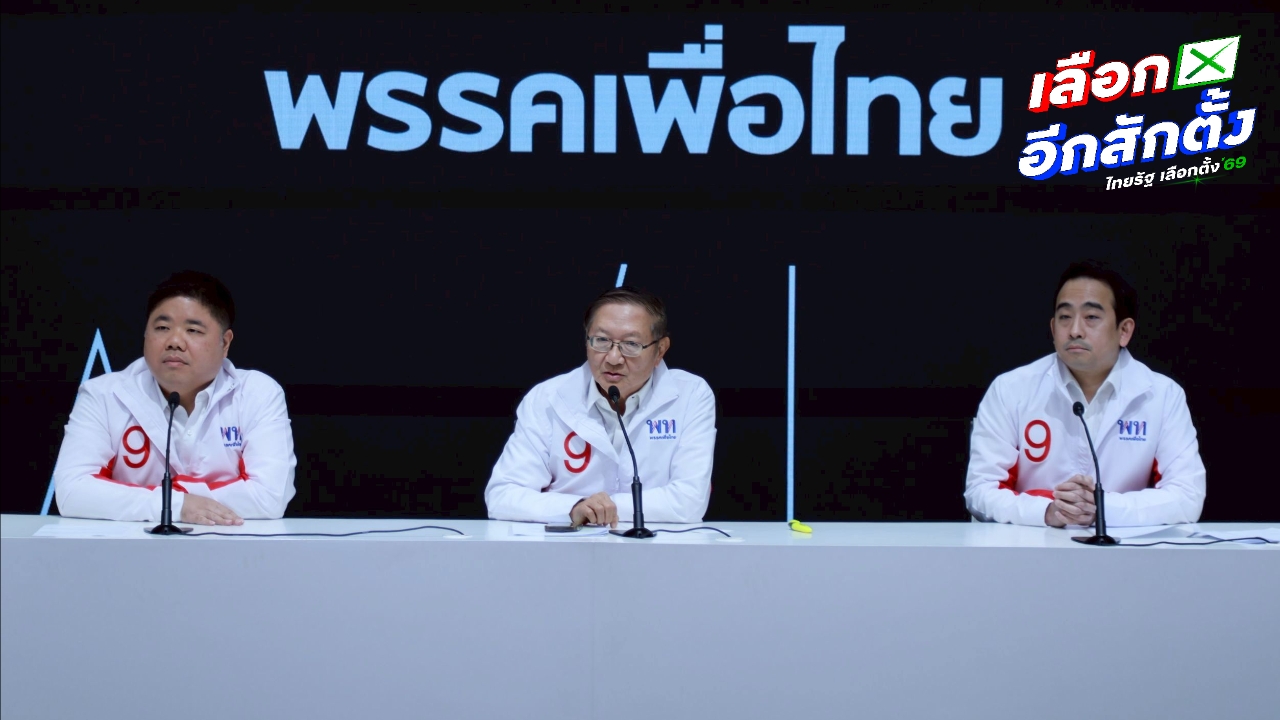
Pheu Thai Party has declared that it will completely overhaul the social security system within three months, removing the permanent secretary from the board chairmanship and pushing persistently for an election system where one person can elect seven representatives.
On 29 Jan 2026 GMT+7, the Pheu Thai Party launched an aggressive labor welfare policy, announcing a major reform plan for the social security fund. Party leader Dr. Prommin Lertsuridej confirmed that if the party returns to government, it will resolve issues and completely overhaul the system within three months to restore transparency and efficiency to the fund, which is built on the hard work of laborers.
Dr. Prommin outlined that the selection of the insured representatives on the board must adhere to democratic principles. He supports maintaining the existing ratio whereby each insured person has the right to vote for seven representatives, enabling over 20 million workers to genuinely oversee their benefits. He also proposed a key change: the social security board chairperson should be elected from among the board members, replacing the current practice of the permanent secretary of the Ministry of Labor holding the position by default.
The Pheu Thai Party proposes reforming fund management by appointing a team of professional experts, similar to the Government Pension Fund (GPF), to break the cycle of political and bureaucratic interference. An independent oversight mechanism will be established to immediately remove executives if corruption is found. The party also plans to separate responsibilities for unemployment, pensions, and healthcare management to improve operational agility.
Mr. Pongkwan Jungroongreungkit, deputy party leader and former labor minister, pointed out the alarming sign of the 2.8 trillion baht social security fund generating an average return of only 2.8%, which is much lower than the GPF. This results in insured members losing hundreds of billions of baht in economic opportunities annually. He emphasized that this vast sum belongs to the people, not politicians or the state, and must not be managed inefficiently by those lacking expertise.