

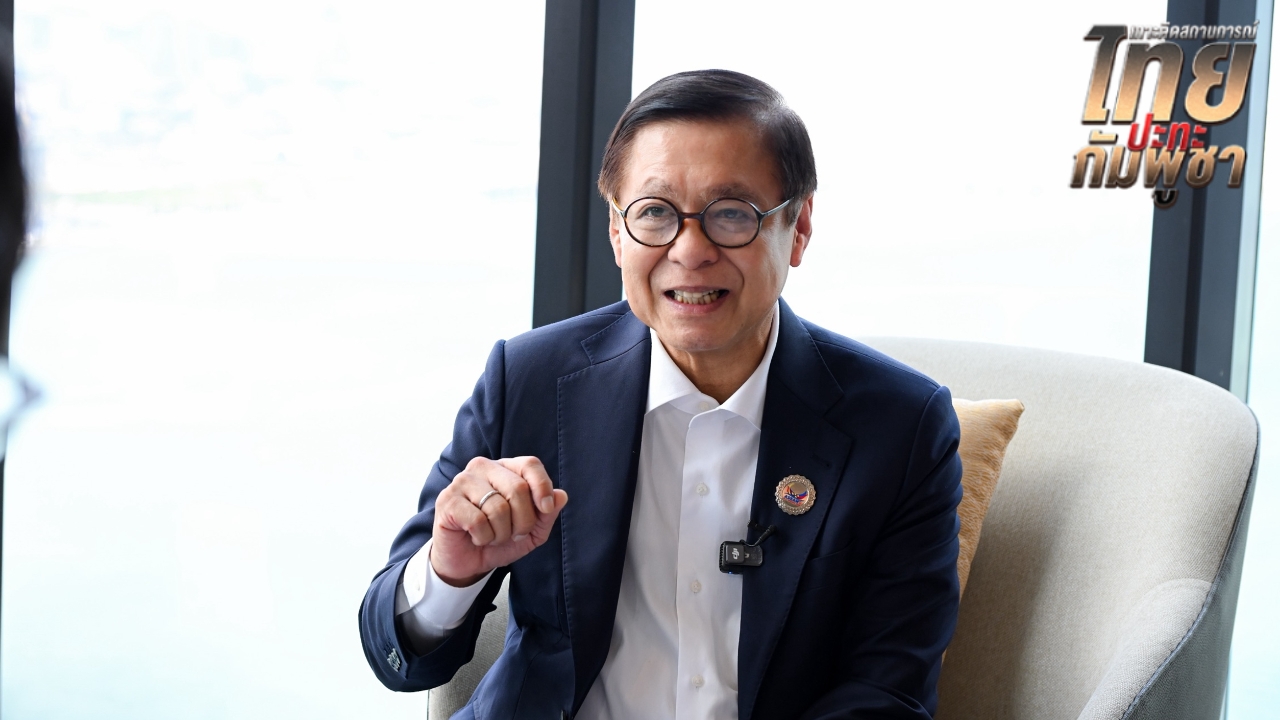
The Foreign Minister emphasized that the RBC has not yet been signed, which is not a failure. He highlighted that turning to dialogue is a positive sign, accelerating trust-building efforts, and plans to visit border communities to listen to their voices. He also warned Cambodia to be cautious about remarks that may interfere in internal affairs.
On 28 Jan 2026 GMT+7, Mr. Sihasak Puangketkaew, Minister of Foreign Affairs, revealed after attending the ASEAN Foreign Ministers' Informal Meeting (AMM Retreat) on Cebu Island, Philippines, that although , the meeting of the Thailand-Cambodia Regional Border Committee (RBC) has not yet resulted in a signed agreement, it should not be seen as a failure because continuing the dialogue is better than clashes that cause losses.
Mr. Sihasak further explained that the inability to sign certain points in the RBC meeting should not be interpreted as a failure but is a normal part of negotiations where some issues remain unresolved. “Regarding the RBC meeting not yet signing, don’t view it as a failure. It is normal that some issues cannot be agreed upon yet, so keep discussing them rather than engaging in conflicts that cause losses.” He emphasized that maintaining communication channels and ongoing negotiations are crucial. Even without agreement on all points, the fact that both sides remain at the table and continue talking is an important progress.

At this ASEAN Foreign Ministers' Informal Meeting, Thailand stressed to Cambodia the importance of direct communication through the RBC mechanism and the need to build mutual trust, especially cautioning against language that could be interpreted as interference in internal affairs. Both sides must be sensitive in their words and behavior to avoid misunderstandings or conflicts that could lead to tensions.
“I told Cambodia that the agreement must be sustainable and that incidents affecting trust, such as rocket fire across the border, must be avoided. Cambodia expressed regret and explained the situation. Importantly, communication must be direct through the RBC and care must be taken with words that might be seen as interference in internal matters.”

Meanwhile, Mr. Sihasak also revealed that restoring relations with Cambodia requires consideration of the feelings and needs of Thai people, especially those living in border areas directly affected. The Ministry of Foreign Affairs is planning to visit border communities to talk with residents and the private sector to hear their opinions and expectations regarding the restoration of Thailand-Cambodia relations, ensuring diplomacy truly reflects public needs.
“In restoring relations with Cambodia, we must consider the people's feelings. The Foreign Ministry plans to visit to listen to what people and the private sector want to see.”
, Mr. Sihasak reiterated that the ultimate goal is to build a sustainable relationship between Thailand and Cambodia based on mutual trust, transparent communication, and respect for each other's sovereignty. We must make the agreement sustainable, not just signing on paper, but building true understanding and trust to prevent incidents that could harm future relations. Thailand is committed to a careful and patient policy toward Cambodia, prioritizing the benefits of the Thai people while maintaining good relations with ASEAN neighbors.