

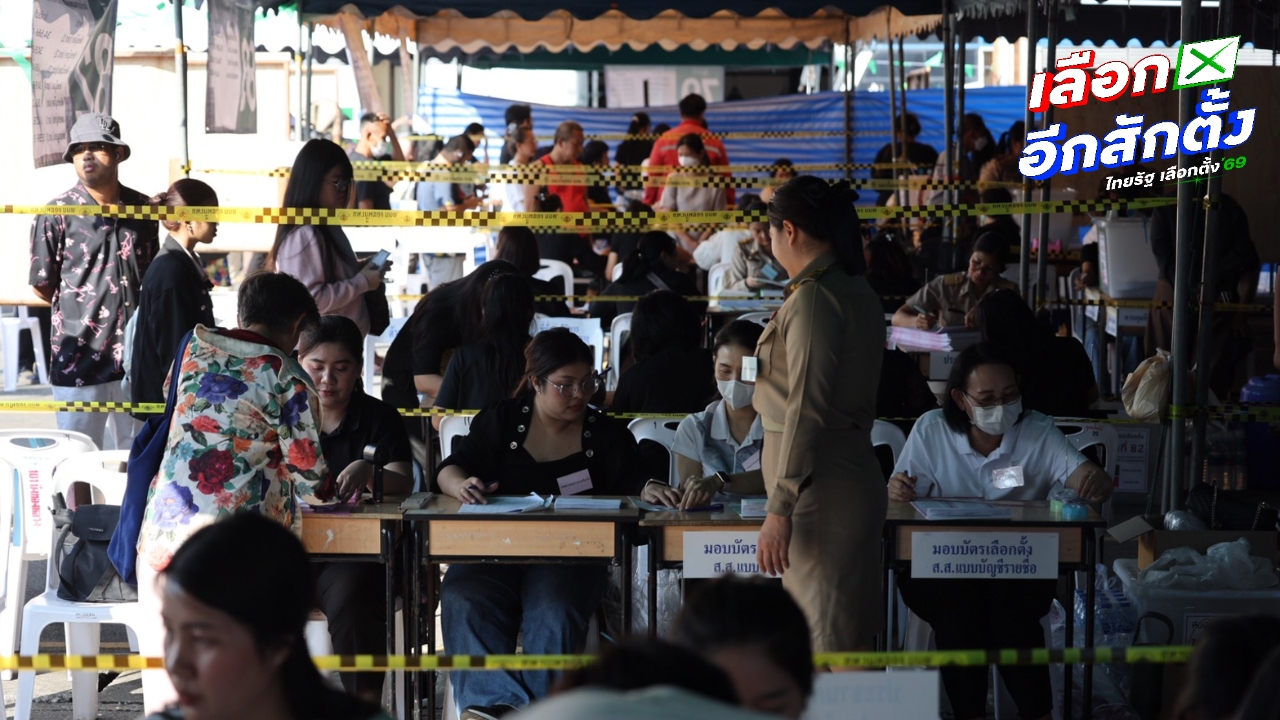
Election 2026: The Election Commission reiterates that "vote buying and selling" is illegal under the law, with severe penalties including imprisonment, fines, or both, and disqualification from voting for 10 to 20 years.
On 1 February 2026, the Office of the Election Commission warned eligible voters, candidates, and political parties to refrain from any acts that constitute vote buying and selling. Such actions violate election laws and carry severe criminal penalties.
According to the Organic Act on the Election of Members of the House of Representatives B.E. 2561 (2018) and its amendments, Section 73 prohibits any candidate or person from engaging in actions to induce voters to vote for themselves, another candidate, or a party list, to abstain from voting for any candidate or party list, or to encourage abstention from voting for any member of parliament by the following methods:
1. Giving, offering, promising to give, or preparing to give any property or other benefits that can be valued in money to anyone.
2. Giving, offering, or promising to give money, property, or other benefits, directly or indirectly, to communities, associations, foundations, temples, educational institutions, social welfare institutions, or other organizations.
3. Conducting election campaigning by organizing entertainments or various festivities.
4. Entertaining or promising to entertain anyone.
5. Deceiving, coercing, threatening, exerting influence, slandering with falsehoods, or misleading to affect the popularity of candidates or political parties.
Anyone who violates these provisions faces imprisonment from 1 to 10 years, fines ranging from 20,000 to 200,000 baht, or both, and the court shall order disenfranchisement for 20 years. In cases where the court issues a final judgment convicting the offender, it shall order the payment of a reward for the informant not exceeding half of the fine amount (Sections 158 and 159).


According to the same Organic Act and its amendments, Section 101 prohibits any voter from demanding, receiving, or agreeing to receive money, property, or other benefits for themselves or others in exchange for voting or abstaining from voting.
Violators face imprisonment from 1 to 5 years, fines from 20,000 to 100,000 baht, or both, and the court shall order disenfranchisement for 10 years. If the violator is a recipient or agrees to accept money, property, or benefits and reports this to the Election Commission or its authorized personnel before arrest, the person shall not be punished nor have their voting rights revoked (Section 164).
The Office of the Election Commission calls on voters, candidates, and political parties to refrain from vote buying and selling to ensure the election is conducted honestly, fairly, and in accordance with the law.
