

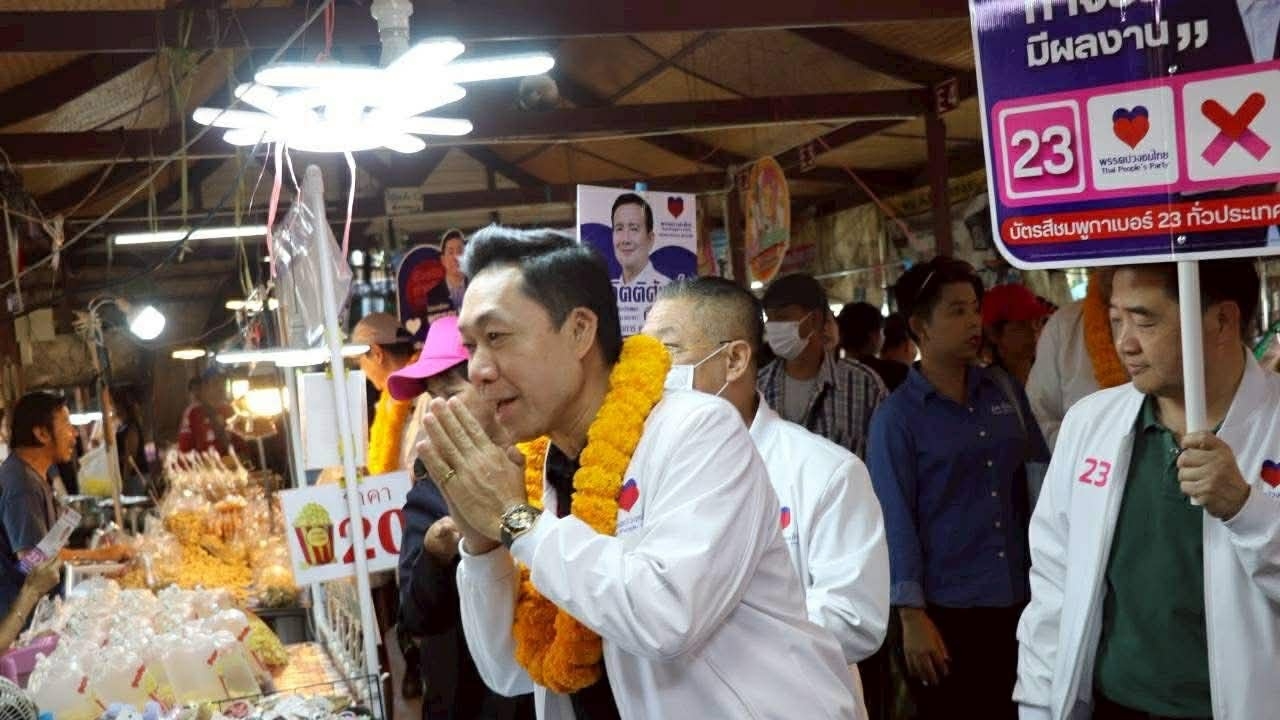
For the 2026 election, the leader of the Thai Puangchon Party promoted a policy to expand citizens' rights by providing accident protection accessible with a single ID card at all hospitals. He emphasized this as a fundamental right for every Thai citizen, without adding to the national budget burden.
On 6 Feb 2026 GMT+7, reporters noted that candidates and political parties were intensifying their campaigns ahead of the 8 Feb 2026 GMT+7 election. Mr. Eksit Kunanantakul, leader of the Thai Puangchon Party and candidate number 23, announced the party’s policy to enhance citizens’ rights by elevating accident protection to a fundamental right rather than a temporary welfare measure. The policy aims to guarantee accident-related life protection for all Thais through a single ID card that grants access to participating hospitals. Coverage applies strictly to accidents, excluding illnesses. Key points include assistance for accident-related injuries with medical expenses up to 10,000 baht per treatment, up to 10 treatments yearly, covering road accidents, workplace accidents, and unexpected daily life incidents. Additionally, there is 100,000 baht death compensation to support families facing income loss. The policy requires no extra national budget, costing only about 200 baht per person annually to cover over 60 million Thais.
The core of this policy is reducing citizens’ burdens during emergencies by using a single ID card accepted at both public and private hospitals in the network, eliminating the need for advance payments or paperwork. The system shifts from people seeking rights to rights reaching people.

Mr. Eksit added that for government oversight, the Thai Puangchon Party proposes that the Ministry of Social Development and Human Security or the Ministry of Public Health act as the main agency to set minimum accident rights standards nationally, support vulnerable groups, integrate citizens’ data digitally, and ensure benefits truly reach the public. Meanwhile, the party welcomes qualified insurance companies to join the system fairly under state-determined minimum rights, allowing private sector competition on service quality. This approach is based on transparency, honesty, and fairness to prevent monopolies and maximize public benefit.
Accidents happen unpredictably and do not consider the victim’s financial status. Therefore, the state must provide a systematic solution for the people. This policy aims to establish basic accident rights so all Thais can be confident that unexpected events will be met with comprehensive and fair protection. Accident protection is a matter of citizens’ dignity, and the party is committed to realizing this policy for the safety of all Thai lives.