

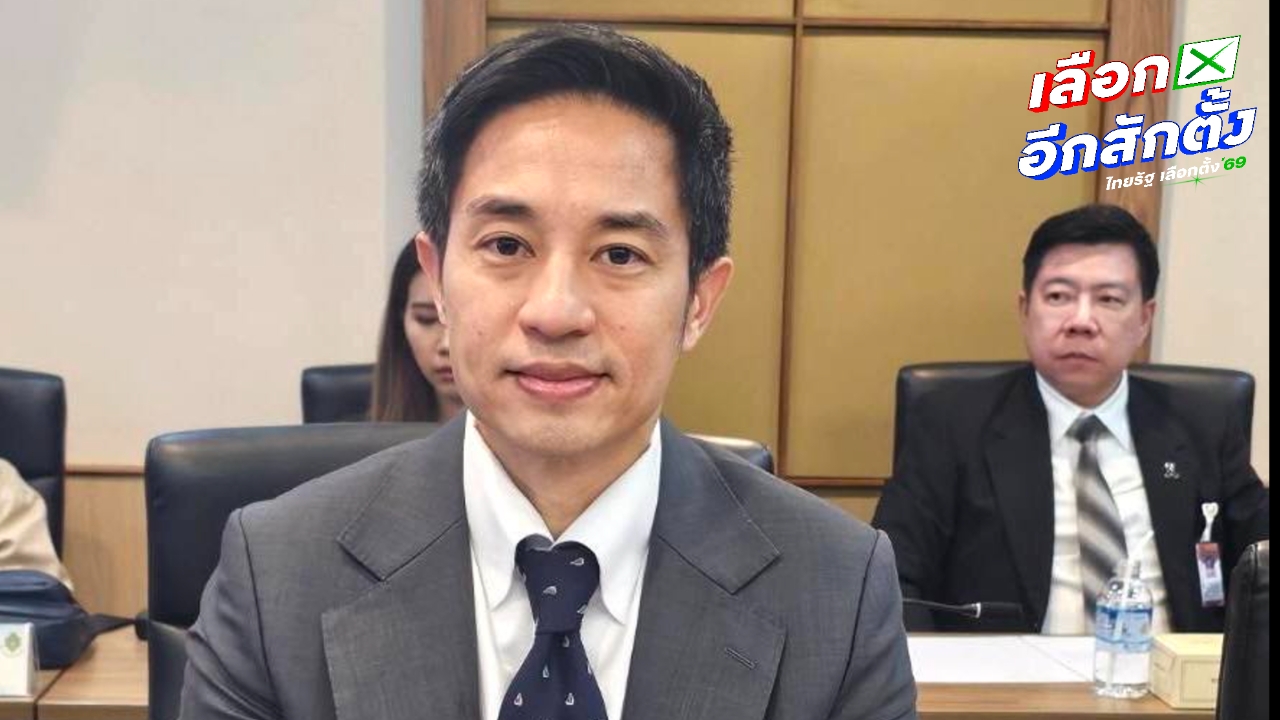
Senator Naret revealed that on 17 Feb, the Senate Political Development Committee will summon Sawang along with related individuals to clarify the Election Commission's prosecution of citizens who requested a vote recount in Chonburi's first district, criticizing the barcode system for compromising ballot secrecy.
16 Feb 2026 GMT+7 Mr. Naret Pratchyakorn, Chairman of the Political Development, Public Participation, Human Rights, Freedoms, and Consumer Protection Committee of the Senate, posted on Facebook regarding the case of the barcode on ballots which many parties worry may compromise voting secrecy, stating that if the election results can be traced back to who voted for whom, it is no longer a secret ballot. He thanked Mr. Prinya Dewanaritkul, a legal scholar from Thammasat University, for raising questions about the Election Commission's (EC) ballot storage regulations. Initially, the EC claimed that storing ballots separately from the stubs ensured security,
but the regulations actually require that all be combined in the same ballot box in the end. The question is, where is the secrecy? A secret ballot doesn't end just when entering the booth; it means no one can verify votes afterward. Once it is possible to know who voted for whom, vote-buying, pressure, and control over voters become immediate risks. If the public's voting is no longer secret, this election is effectively compromised.
The reporter further reported that on 17 Feb at 10:00 a.m., the Senate Political Development Committee will hold a meeting with a key agenda to consider the case of the Election Commission prosecuting citizens who demanded a vote recount in Chonburi's first electoral district. They have invited Mr. Sawang Bunmee, Secretary-General of the EC; the Election Director for Chonburi's first district; Ms. Khumklao Songsomboon, head of litigation at the Lawyers' Rights Protection Center; Mr. Naret Nanongtoom, a lawyer from the same center; and affected individuals to provide explanations. .