

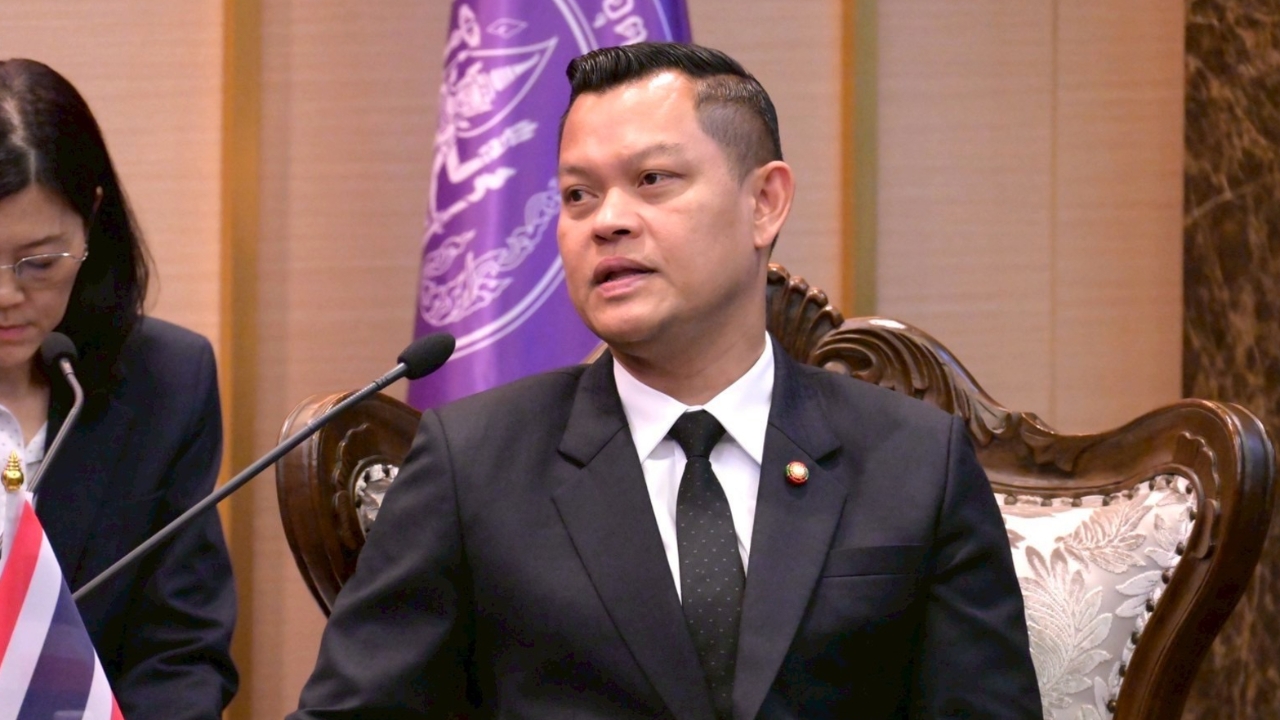
Thanakorn explained that the success in resolving the Akara gold mine dispute stemmed from Anutin's directive to use a proactive strategy. He believes that friendly negotiations led the parties to voluntarily end the dispute. He also hinted that he sought advice from former Prime Minister Prayut Chan-o-cha’s advisory team to achieve this success.
On 21 February 2026, Mr. Thanakorn Wangboonkongchana, Minister of Industry, spoke about the success in resolving the Akara gold mine dispute. He noted that although in 2020 Mr. Peeraphan Saleerutthipak was appointed as an additional board member to oversee the mine-related case at that time, the board’s role ended with the government’s term in August 2023. Then, in May 2025, a new investment dispute resolution task force for the Akara gold mine was established, chaired by Mr. Natthapon Rangsitpol, Permanent Secretary of the Ministry of Industry, marking an important turning point in addressing the issue again.
When asked if the success was partly due to Mr. Peeraphan’s parallel efforts, Thanakorn said the achievement leading to the dispute’s resolution resulted from Prime Minister Anutin Charnvirakul assigning him, as Industry Minister, to develop a systematic legal battle strategy. He assigned the Permanent Secretary, as task force chair, to closely coordinate with legal advisors. Thailand took a firm stance internationally, ready to fully contest the arbitration case while simultaneously engaging in friendly negotiations, under the key conditions that negotiations must follow legal principles and impose no burdens on Thailand. This clear signal that Thailand was unafraid to see the case through arbitration, especially during the critical period before the arbitration decision in mid-November 2025, led the opposing party to view voluntary dispute resolution as the best solution.
“Resolving this long-standing issue after more than eight years is a concrete achievement of the current task force under my policy, and the continuous efforts of the Ministry of Industry’s executives and staff. They applied a proactive negotiation strategy focused on protecting national interests, preserving the country’s investment confidence, and safeguarding the people’s benefits, ultimately allowing the case to be closed. During the negotiations, I also continuously sought advice from former Prime Minister Prayut Chan-o-cha’s advisory team. When everything was successfully concluded, General Prayut expressed his thanks and praised the task force’s work.”