

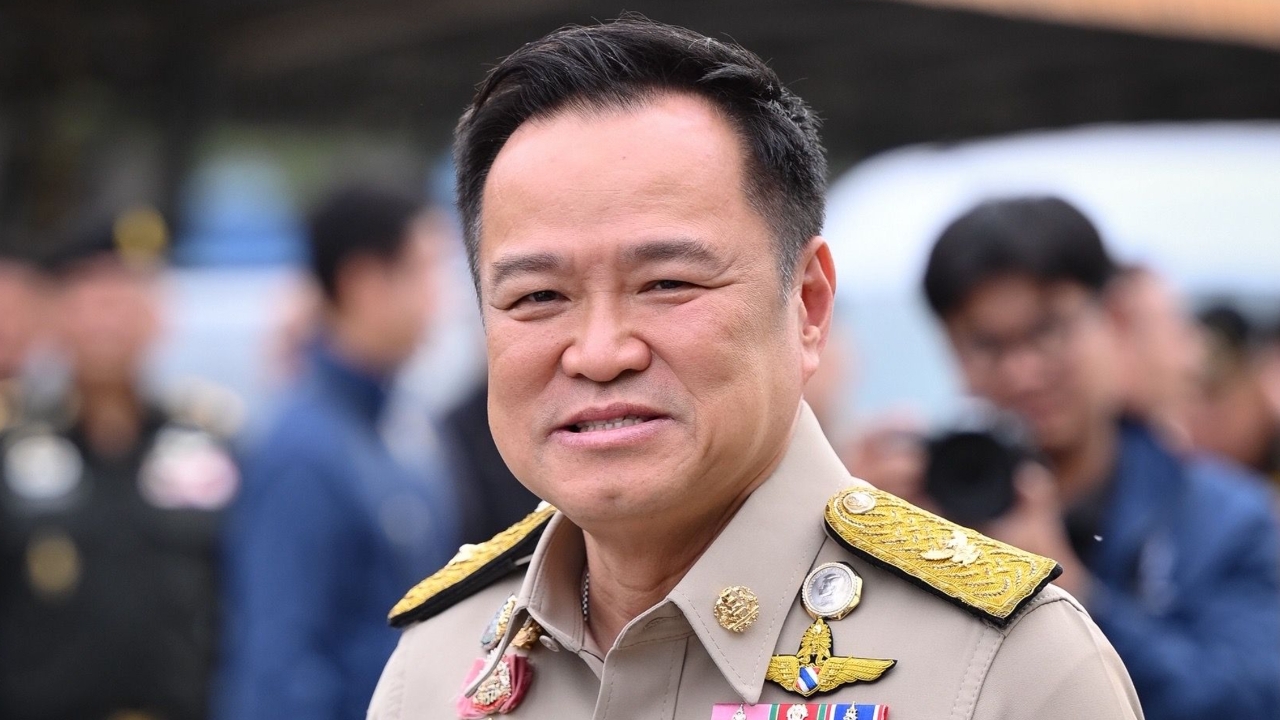
Permanent Secretary of the Interior revealed that Prime Minister Anutin has urgently instructed all provincial governors to drive systematic water management strategies to prevent and cope with the 2026 drought, aiming to alleviate hardships for people in all areas.
On 22 February 2026, Atsit Sampantharat, Permanent Secretary of the Interior, announced that Thailand officially entered the 2026 hot season starting today until mid-May 2026, according to the Meteorological Department’s announcement dated 19 February 2026. This will increase temperatures nationwide, likely affecting daily life, especially due to dry conditions that may impact water availability in many areas.
. Prime Minister and Minister of Interior Anutin Charnvirakul, in his role as commander of the National Disaster Prevention and Mitigation Command, has established guidelines to prepare for and address the 2026 drought problem. He has ordered all provincial governors to act, focusing on integrated cooperation among all sectors to support the livelihoods and agricultural areas of the people. These include:
1. Closely monitoring and observing provincial water situations by setting up working groups to analyze weather data, reservoir levels, water use issues in various sectors, rainfall amounts, and periodically assessing local water demand.
2. Accelerating the preparation of provincial drought emergency plans aligned with actual conditions, including drills and understanding of operational procedures with related agencies—civil, military, and private sectors—to ensure quick and organized assistance when needed.
3. Instructing local agencies to prepare personnel, materials, equipment, and disaster machinery such as water trucks and pumps to be ready for immediate use.
4. Promptly inspecting and repairing community water storage containers and village water systems to ensure they are functional, along with planning water distribution points to provide clean, sufficient, widespread, and equitable water for consumption.
5. Continuously raising public awareness about water management methods and encouraging mindful water use to ensure sufficient and efficient water availability for consumption, household use, and agriculture.

The Permanent Secretary added that in areas assessed to face or already experiencing drought, command centers at provincial, district, and local administrative organization levels should be established as hubs for mobilizing resources to assist people. Priority should be given to resolving drinking water shortages. Local authorities must coordinate with police and military to monitor and prevent conflicts over water and crimes common in the dry season, such as agricultural equipment theft, to reduce hardships and avoid worsening residents’ situations.
"During drought conditions, besides accelerating aid for water supply to people, it is equally important to manage public health. Mobile medical and public health units should be deployed to provide advice, monitor, and prevent heat-related diseases such as diarrhea, cholera, and food poisoning. Campaigns should promote public awareness of water’s value, encourage the most economical water use, and maintain proper hygiene. Provinces must report ongoing situations and activities to the National Disaster Prevention and Mitigation Command until the situation stabilizes. This collective effort aims to help people safely overcome the drought crisis this year with minimal impact. Affected residents can seek assistance via the Department of Disaster Prevention and Mitigation’s 24-hour hotline at 1784."

