

The government warns against butchering animals that are sick or have died abnormally due to the risk of rabies infection, after one human fatality was reported. It also revealed that from 1 January to 20 February 2026, rabies virus was detected in 50 animals, with the highest number found in dogs.
23 February 2026 GMT+7 Ms. Airin Panrit, Deputy Spokesperson of the Office of the Prime Minister, revealed that currently, Thailand is experiencing animals infected with rabies disease. This is especially evident in the Eastern, Northeastern, and Southern regions of Thailand, where data from the Ministry of Public Health shows that disease surveillance by the Department of Disease Control in 2026 has found one human death in Rayong province. From 1 January to 20 February 2026, rabies virus was detected in 50 animals out of 532 samples from 77 provinces, with the highest number found in dogs.
Ms. Airin added that most rabies cases are found in areas where the disease was present in 2025 and have spread to neighboring areas. This increases the possibility that infected animals may transmit the virus to household pets. If the public butchers or consumes raw meat from infected cattle or buffaloes that died without a known cause, there is a risk of contracting rabies. Once infected and symptomatic, the disease is fatal.
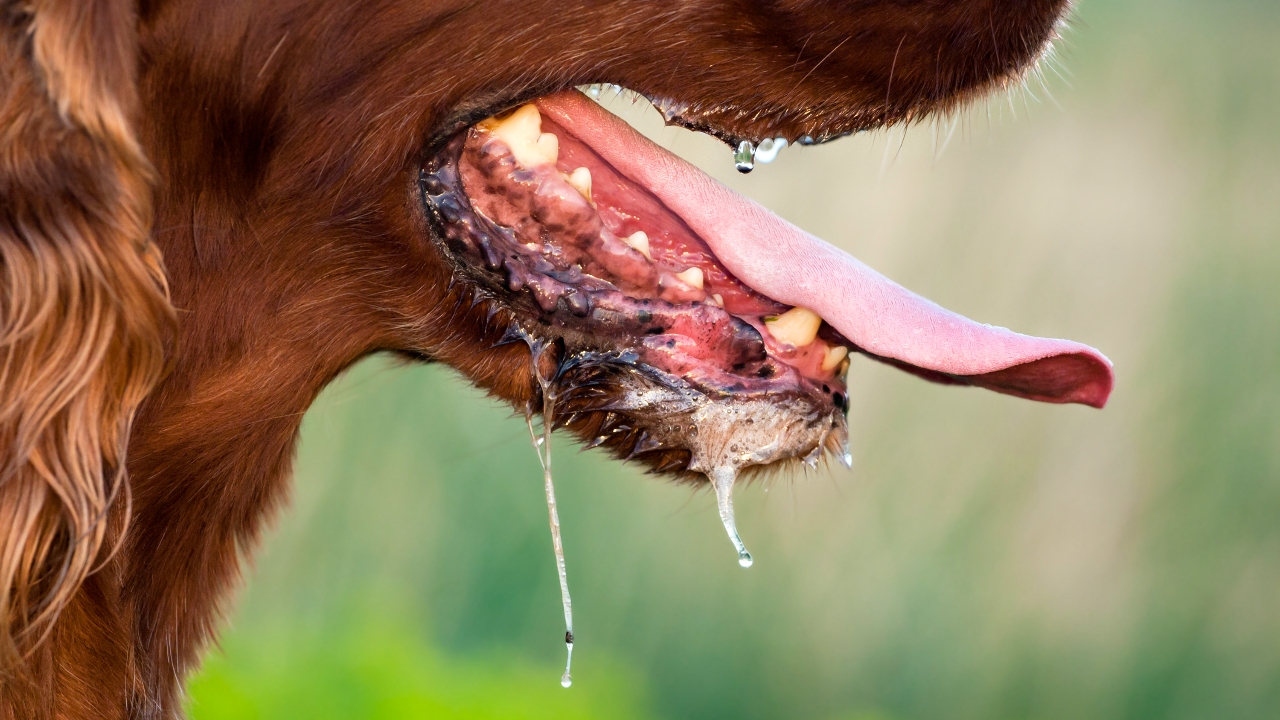
Previously, there have been cases of humans contracting rabies from eating meat of sick or mysteriously deceased animals. Therefore, the public is urged to monitor and observe their pets for abnormal symptoms such as lethargy, aggression, excessive salivation, staggering, or unexplained death. They should immediately notify livestock or public health officials for appropriate disease control measures. In case of bites or scratches, wounds should be washed immediately with clean water and soap for 15 minutes, dried, disinfected, and medical attention sought promptly for vaccination without waiting for the animal’s death.

Pet owners, especially of dogs and cats, should vaccinate their animals annually, starting at 2–4 months old and continuing with yearly boosters. Pets should not be allowed to roam freely without a leash. If dogs or cats show aggressive behavior or symptoms of illness leading to abnormal death, owners should report this to local livestock or relevant authorities promptly to reduce the risk of dog bites or attacks.
Follow the "5 Do Not" principles as guidelines:
For more information, contact nearby health facilities or the Disease Control Department hotline at 1422. Cooperation is requested to report any animals suspected of having rabies to district or provincial livestock officials in all areas or call the Department of Livestock Development hotline at 06 3225 6888, available 24 hours.