

The Council of State Secretary questioned who was at fault in the case of "secret" ballot voting—whether it was the person who marked the ballot or the one who later exposed the information. He gave examples of three levels of government secrecy and raised the issue of whether such breaches would invalidate the process, noting that the media often publish official documents.
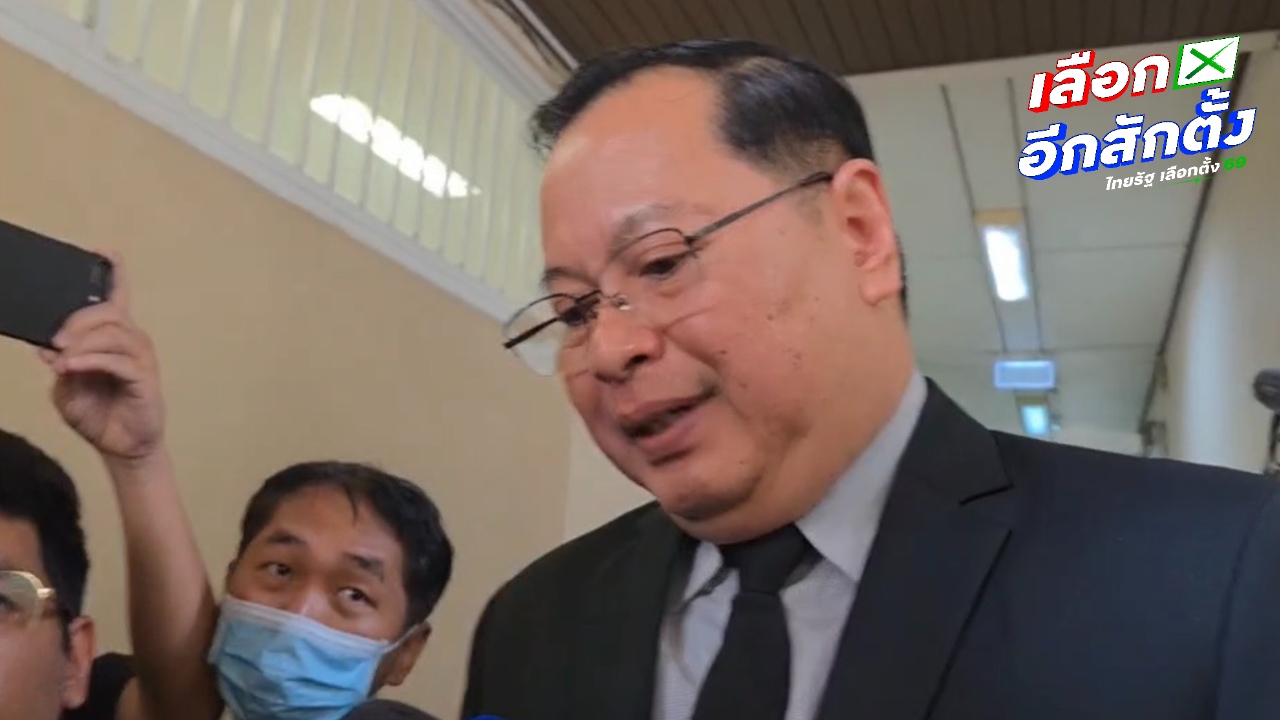
At 09:10 on 24 Feb 2026 GMT+7 Mr. Pakorn Nilprapan, Secretary-General of the Council of State, spoke at Government House regarding the interpretation of "secret" voting, which is currently a topic of discussion. He said it should be interpreted as the responsibility of the Election Commission (EC), which must follow proper procedures. If we comment prematurely, it will only cause social confusion and undermine confidence in Thailand's political system and investment climate. Therefore, caution is necessary.
A reporter asked, assuming citizens cast secret ballots, but someone later attempts to verify them, would the secrecy still hold? The Council of State Secretary responded by asking, "Who is at fault? The person who marked the ballot or the person who exposed the information?"
Regarding the interpretation of "secret" in government circles, Mr. Pakorn explained that according to government regulations, there are rules for maintaining official secrecy. Government secrets are classified as "secret," "very secret," and "top secret." If asked whether people can know them, it is understood only between the sender and receiver. The information cannot be shared beyond that. "Secret" is considered secret, "very secret" is confidential, and "top secret" is the highest level.
As for whether knowledge of a secret after the fact would invalidate it, Mr. Pakorn laughed and replied that the media often do this to him, frequently publishing official documents.