

The Ministry of Foreign Affairs revealed that the situation in the Middle East remains concerning with continued fighting. It called on all parties to resolve the conflict through diplomacy. So far, 29 Thais in Iran and 20 in Israel have requested to return home. The ministry is confident Thai Airways is not transporting weapon parts to Israel and plans to discuss stranded Middle Eastern tourists in Thailand tomorrow.
On 1 Mar 2026 GMT+7, at the Ministry of Foreign Affairs, Mr. Sihasak Puangketkaew, Minister of Foreign Affairs, chaired a meeting of the Situation Monitoring Center to assess tensions in the Middle East (War Room). The meeting included ministry executives and diplomats from all embassies and consulates in the region to receive updates on developments and progress in assisting Thais in each country.
The meeting noted that currently about 110,000 Thais live in the Middle East region. Overall, no reports indicate that any Thais have been seriously affected. All embassies and consulates have issued warnings urging Thais to follow official information and announcements from host governments, adhere to embassy guidelines, and advise those living in high-risk areas to leave or consider staying in designated shelters. Preparations for evacuation plans are underway, potentially coordinating with other countries or international organizations also preparing evacuations.
At present, embassies and consulates in affected areas have opened registration for Thais wishing to return home and are coordinating with local authorities to assist and facilitate evacuation if necessary. The ministry will closely monitor the situation, assess impacts, and prepare appropriate contingency plans as the situation develops.
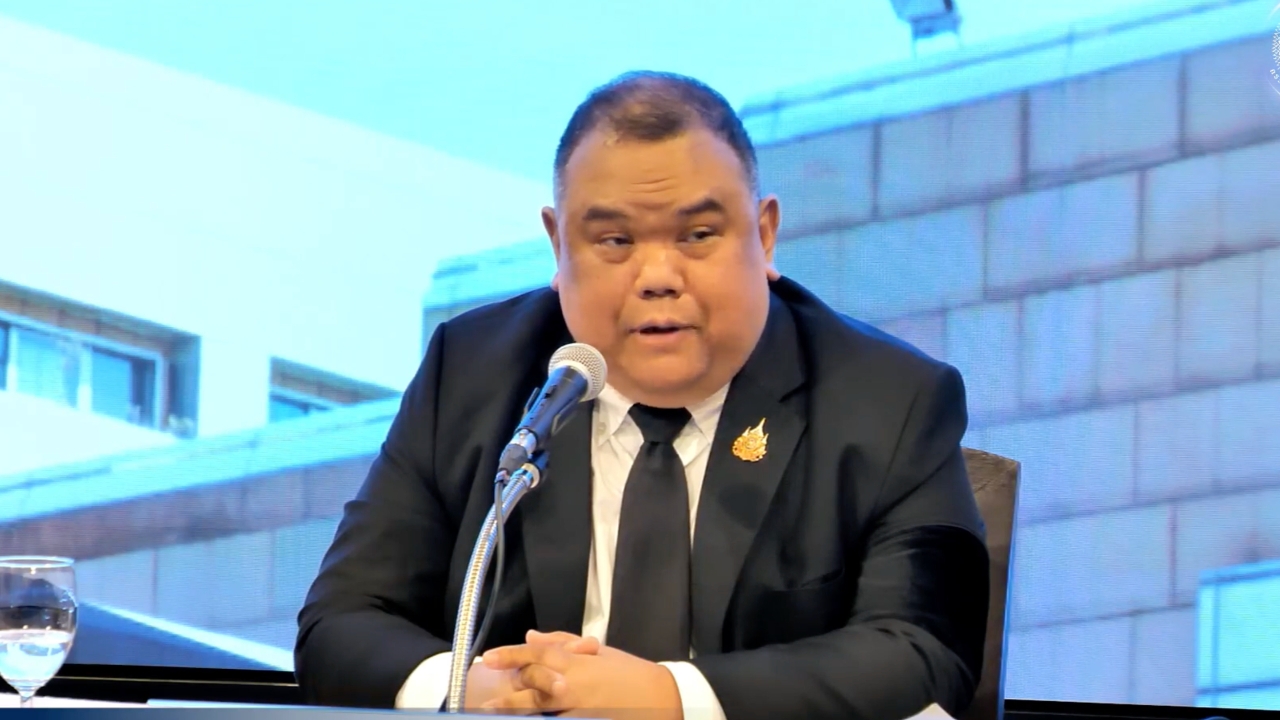
Later at 19:51, Mr. Panidol Patchimsawat, Acting Director-General of the Information Department and Deputy Spokesperson of the Ministry of Foreign Affairs, held a press briefing on the situation and Thai citizen assistance in the Middle East and the meeting outcomes. He reported that Israel began airstrikes on Tehran and other cities in Iran on the afternoon of 28 February, followed by U.S. military operations. On the same day, Iran retaliated with missile strikes targeting U.S. naval and air bases in Bahrain, Kuwait, Qatar, the United Arab Emirates (UAE), Saudi Arabia, and parts of Iraq. Thai ambassadors in the affected cities reported that Thais there are currently safe. This morning at 8:00 Thailand time, Iranian news agencies confirmed the death of Iran’s Supreme Leader at his residence and workplace while on duty on the morning of 28 February. Overall, the situation remains highly sensitive and concerning with ongoing conflict.
The Ministry of Foreign Affairs reiterated that Thais in affected countries should strictly follow host country warnings. Regarding Thailand’s stance, the ministry issued a statement yesterday confirming three points: Thailand closely monitors the Middle East situation with deep concern; it calls on all conflicting parties to avoid actions that worsen instability affecting regional security and civilian lives; and it urges resolution through diplomatic negotiations.
Since 28 February, the ministry has established a War Room working closely with agencies to monitor and assess the situation of Thais. A 24-hour coordination center at the consulate provides assistance, and warnings have been issued advising Thais against unnecessary travel to the region. Currently, over 110,000 Thais reside in the Middle East, with the largest number—65,000—in Israel and 250 in Iran. So far, no Thais have been seriously affected.
Embassies and consulates have advised Thais to follow local news and embassy recommendations, and those in high-risk areas to leave or seek shelter. Evacuation plans are being prepared, potentially coordinated with other countries that are also planning to evacuate their citizens.
Mr. Panidol added that in Iran, attacks have been ongoing in security areas near the Thai embassy, with increasing intensity. However, the embassy remains open 24 hours for Thai citizens seeking assistance and is actively evacuating Thais from the area. So far, 29 Thais, including workers and students, have expressed their wish to return.
In Israel, the Thai embassy reported close communication with the Thai community, maintaining four 24-hour contact numbers. About 65,000 Thais live there, mostly agricultural workers. Up to 20 have requested to return home. Israeli airlines are operating normally and land evacuation routes to neighboring countries remain open, depending on where Thais reside.
Other countries in the region targeted by Iranian attacks and affected by fighting include the UAE, Oman, Bahrain, Qatar, Kuwait, and Jordan. Embassies and consulates are surveying evacuation routes and coordinating with airlines and host countries. The Ministry of Foreign Affairs will continue close monitoring. On 2 March, a meeting chaired by the Prime Minister will address impacts on Thailand, including economic, energy, and regional security issues, as well as plans to assist Thais in affected areas. The discussion will also consider challenges such as airspace closures.
When asked about rumors that Thai Airways was transporting weapon parts to Israel, Mr. Panidol said he understood the case involved Australia. Thai Airways has already clarified that this is not true. He expressed confidence that Thai Airways operates safely and strictly follows international regulations, responding on behalf of the airline.
When asked about how the ministry would assist Middle Eastern tourists stranded in Thailand, Mr. Panidol said the foreign minister raised this issue during the meeting. Following experiences from the Russia-Ukraine situation, the Immigration Office has facilitated and relaxed regulations. The Ministry of Interior will need to issue announcements, and the topic will be discussed tomorrow to ensure proper care for tourists visiting Thailand.