

The Office of the Consumer Protection Board (OCPB) has approved six urgent measures and one operational plan to address the impacts of the Middle East war. It has ordered more frequent inspections of businesses exploiting consumers and requested stores to accept payments both by transfer and in cash.
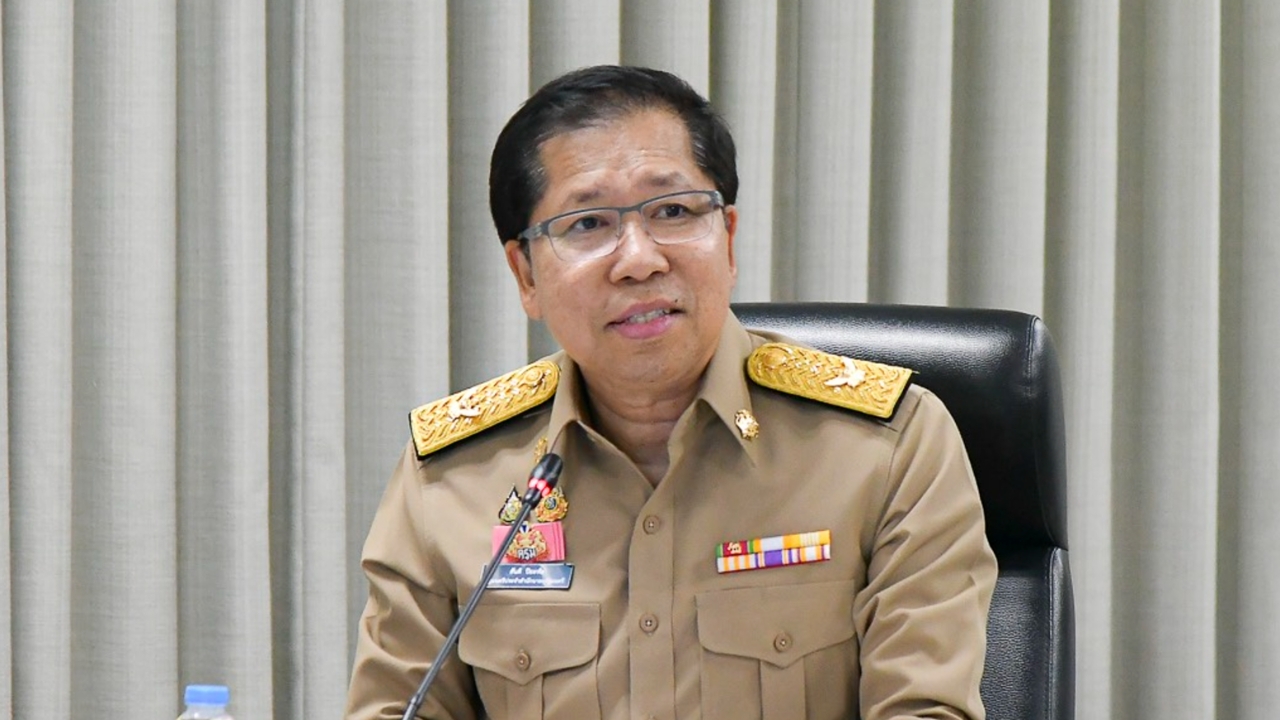
At 10:00 a.m. on 5 Mar 2026 GMT+7. Mr. Santi Piyatat, Minister attached to the Prime Minister's Office, chaired the Consumer Protection Committee meeting concerning the establishment of measures to protect consumers amid the assessment of the conflict situation in the Middle East. At the Government House, after the meeting, Mr. Santi stated that the Consumer Protection Committee is accelerating efforts to safeguard citizens’ rights amid the impacts of unrest in the Middle East. Prime Minister and Minister of Interior Anutin Charnvirakul, as chairman of the Consumer Protection Committee under the Consumer Protection Act B.E. 2522 (1979), has assigned him to serve as chairman. Given that the conflict in the Middle East may affect domestic consumers, the committee convened an urgent meeting to set proactive measures to protect consumers during this unrest.
. The Middle East situation may cause price volatility in goods and services, potentially leading to exploitation or opportunism during the crisis. The committee emphasized that consumers’ fundamental rights—access to accurate information, safety, and fair compensation—must be protected through coordinated efforts by relevant agencies. For example, the Department of Internal Trade under the Ministry of Commerce supervises goods and service prices to prevent unfair increases.
Meanwhile, the Civil Aviation Authority of Thailand and the Department of Tourism oversee airline and tourism services, including cancellations of flights or tour packages. If consumers suffer damages and seek compensation, the Office of the Consumer Protection Board will exercise its authority under the Consumer Protection Act B.E. 2522 and its amendments to mediate, resolve disputes, or pursue litigation and enforcement on behalf of consumers to ensure fair compensation.

Mr. Santi continued, the Consumer Protection Committee has approved six measures and one operational plan regarding agency integration, as follows:
1. The OCPB will open a hotline for urgent consumer complaints, increasing from the usual capacity to 10 dedicated lines.
2. Strengthen oversight and control of businesses affecting daily goods and services consumption by increasing on-site inspections to prevent exploitation, proactively collaborating with related agencies. This includes monitoring advertising that misleads consumers causing panic buying, stockpiling, or forced purchases at inflated prices, which constitutes consumer exploitation. Strict checks will be enforced on labels of essential products, such as packaged rice and gas cylinder sales receipts. Regulation of housing rental services will prevent excessive utility charges, for example, capping electricity rates at no more than 4.88 baht per unit.
3. Request cooperation from retailers to provide consumers with payment options including credit cards, app-based transfers, and cash. Currently, some stores refuse cash, affecting certain consumers, especially during telecommunications network outages or energy and power disruptions.
4. Encourage consumers to purchase goods and services online only through platforms directly registered with the OCPB, especially for high-value items like jewelry, gold, and investment services, ensuring convenience and fairness in resolving disputes between sellers and consumers.
5. Regulate gold sales, with the OCPB strictly enforcing fair practices under the law, including control over gold jewelry labeling, while the Department of Internal Trade enforces the Price of Goods and Services Act to monitor opportunism and exploitation.
6. Publicize consumer awareness about rights related to product and service prices, quality, and standards, ensuring safe purchasing through both regular and online channels.
At the end, Mr. Santi added that the operational plan for agency integration involves proactive coordination under the Decentralization Plan and Procedure Act B.E. 2542 (1999), working with provincial governors as chairpersons of provincial consumer protection subcommittees, Pattaya City’s Damrongtham Center, Bangkok Metropolitan Administration, and all 50 district offices. These 76 provincial agencies and Bangkok will enforce all six measures and consider expanding hotlines for consumer complaints as appropriate.