

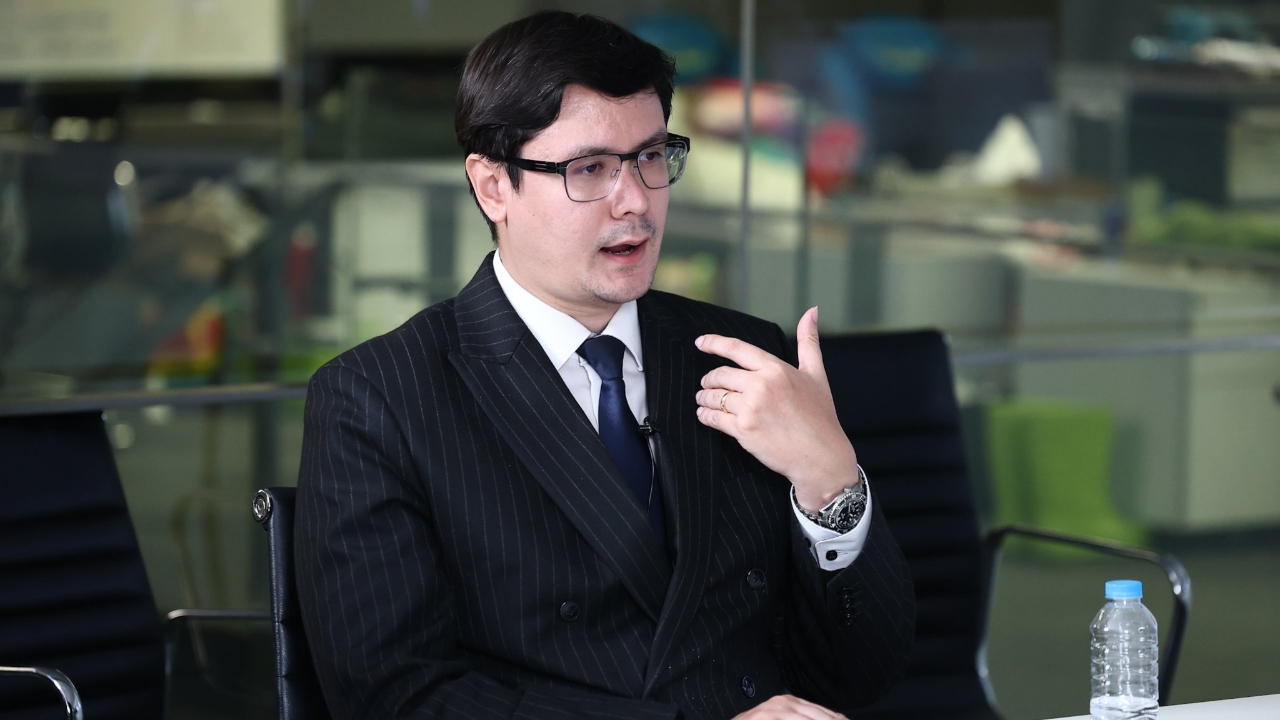
Rangsit Rom urges the government to disclose accurate information to handle the Middle East crisis. He says the public needs to know how prepared the country is, whether oil and chemical fertilizers are at risk of shortage, and recommends setting clear measures.
On 10 March 2026, Rangsit Rom, a party-list MP from the People’s Party, spoke about the government's response to the impact of tensions in the Middle East. He said Thailand currently faces significant challenges and questioned whether the previously stated 60-day energy reserves are truly sufficient if the situation prolongs or worsens.
Rangsit stated that the issues are not limited to oil alone; there are emerging reports of risks of fertilizer shortages, which could affect agriculture and the broader economy. He acknowledged that the government has issued statements to reassure the public and understands the necessity of such communication.
He added that in the current situation, the public seeks not only confidence from the government but also the truth about how prepared Thailand is to cope with potential impacts. Everyone understands that the Middle East crisis is an external factor beyond Thailand’s control and will inevitably affect the people.
Therefore, the public needs to know how to prepare and what kind of situation they are facing. The government should provide clear, honest public information and assess the situation transparently—not just claim it is under control or reserves are sufficient. If the government communicates only in that way, it may seem like the old pattern of assuring readiness while ultimately failing to manage the crisis.
Rangsit believes the government should present factual information to the public and define clear measures to prepare for a possible crisis. It need not expect perfection but must show serious preparedness plans, such as where it would procure additional oil if necessary and how it would proceed.
He believes the government can disclose some information publicly, even if certain details remain under negotiation and cannot be fully revealed. At minimum, there should be communication to show that the government is actively coordinating and preparing measures to manage the situation.
Rangsit also questioned the administration’s stance, noting that while the country faces international risks, the Prime Minister attended a political party seminar and the Bhumjaithai Party visited disputed areas in Khao Kradong. This raises concerns about how much the government is prioritizing and focusing on resolving issues affecting the public during this critical time.