

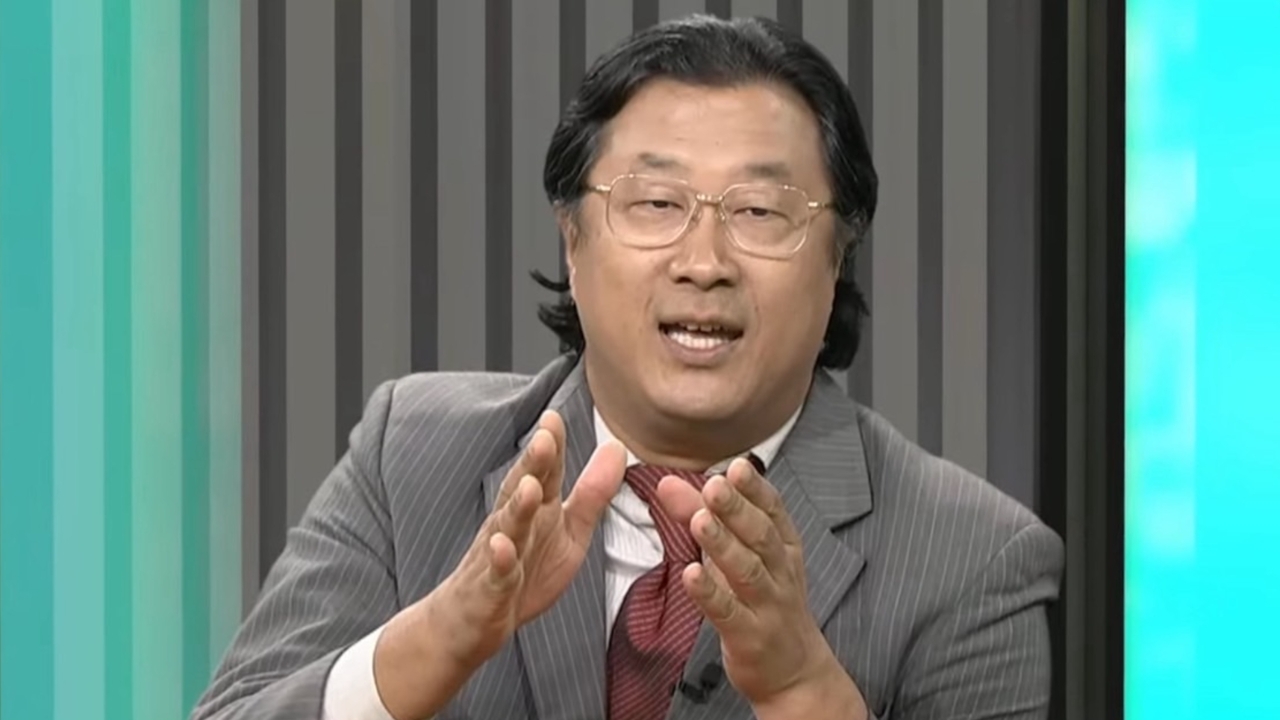
Mom Luang Natthakorn analyzed through Thairath Newsroom that Donald Trump, President of the United States, has sent a signal to retreat after oil prices surged and stocks fell, fearing a global economic crisis originating from the Strait of Hormuz.
At 14:30 on 10 Mar 2026 GMT+7 Mom Luang Natthakorn Thewakul Political analyst Mom Luang Natthakorn Thewakul examined the issue "Decoding Trump's Game: Signals of Ending War after Iran's Fierce Counterattack" on the Thairath Newsroom program, stating that the stance of Donald Trump, President of the United States, last night was clearly different from two days ago. Previously, Trump had given an interview aboard Air Force One, saying that the economic damage from rising oil prices was a small price to pay to prevent Iran from developing nuclear weapons, seeming to persuade the world to support U.S. actions.
However, in last night's press conference, Trump reversed his position, stating that the military mission was nearly accomplished and operations were progressing about four weeks ahead of schedule. Mom Luang Natthakorn said this stance caused extreme volatility in global oil markets. Previously, oil futures surged over 20% following Trump's interview on the plane but then dropped sharply last night, resulting in a rare two-day swing rarely seen before.
He also viewed that the key factor forcing Trump to change his stance within one day was pressure from soaring oil prices and the sharp decline in Asian stock markets, especially concerns that the Strait of Hormuz might be closed. Such closure would impact global energy transport; it would not only raise oil prices but cause energy shortages by blocking crude oil and natural gas shipments by sea. This is considered a "Code RED" (danger level) situation that could trigger a global economic recession.
Additionally, there was a reaction from Europe, with the French President ordering preparations for a military mission to open a shipping route through the Strait of Hormuz. The U.S. plan is to have warships escort cargo vessels to pass the strait. Despite U.S. and French warships providing escort, the maritime atmosphere remains tense because Iran has declared readiness to retaliate if clashes occur. Maritime transport in the region could come to a complete halt. U.S. media analyses suggest Trump must decide whether to allow global shipping chaos to unfold. If Western warships clash with Iran in the strait, the impact could spread to all cargo ships in the region.

Mom Luang Natthakorn believes this pressure likely led Trump to retreat, hoping Iran will gradually ease tensions and reopen the Strait of Hormuz for normal use, although this has not yet occurred. Reports indicate the Islamic Revolutionary Guard Corps (IRGC) signaled that if any country expels U.S. and Israeli diplomats, Iran might open the shipping route. However, it is believed no country currently wants to cause problems with either side. He estimates Iran has about a week to decide whether to accept the U.S. signal to reduce tension. Last night, Trump extended an olive branch during the press conference, saying enough had been done and he did not aim to remove Iran’s current leadership, adding that the Iranian people should choose their own leaders. If Iran accepts and reopens the Strait of Hormuz, regional conditions might lead to peace, despite ongoing tensions between the U.S. and Iran.
However, Mom Luang Natthakorn also observed that the confidence of Gulf countries such as Qatar, Bahrain, the United Arab Emirates, and Saudi Arabia has been severely affected after Iran attacked some infrastructure in neighboring countries, damaging regional relations and making restoration difficult. He also assessed that U.S. and Israeli operations have inflicted significant damage on Iranian forces, including killing many senior officers and destroying several warships, but not enough to overthrow the regime.
Mom Luang Natthakorn concluded that these operations have given the U.S. and Israel some strategic advantage, but continuing the campaign risks causing economic damage to the global economy beyond what can be managed. This is a key reason why Trump has begun signaling de-escalation. Trump said, "We have won in many ways but not enough yet," possibly leaving room in case further actions are taken. Some interpret this as a reason he has started a ceasefire and reduced fighting, as missile interceptions have decreased and production cannot keep up. Another perspective is that he wants Iran to stop retaliating because their missile interceptors are running low.