

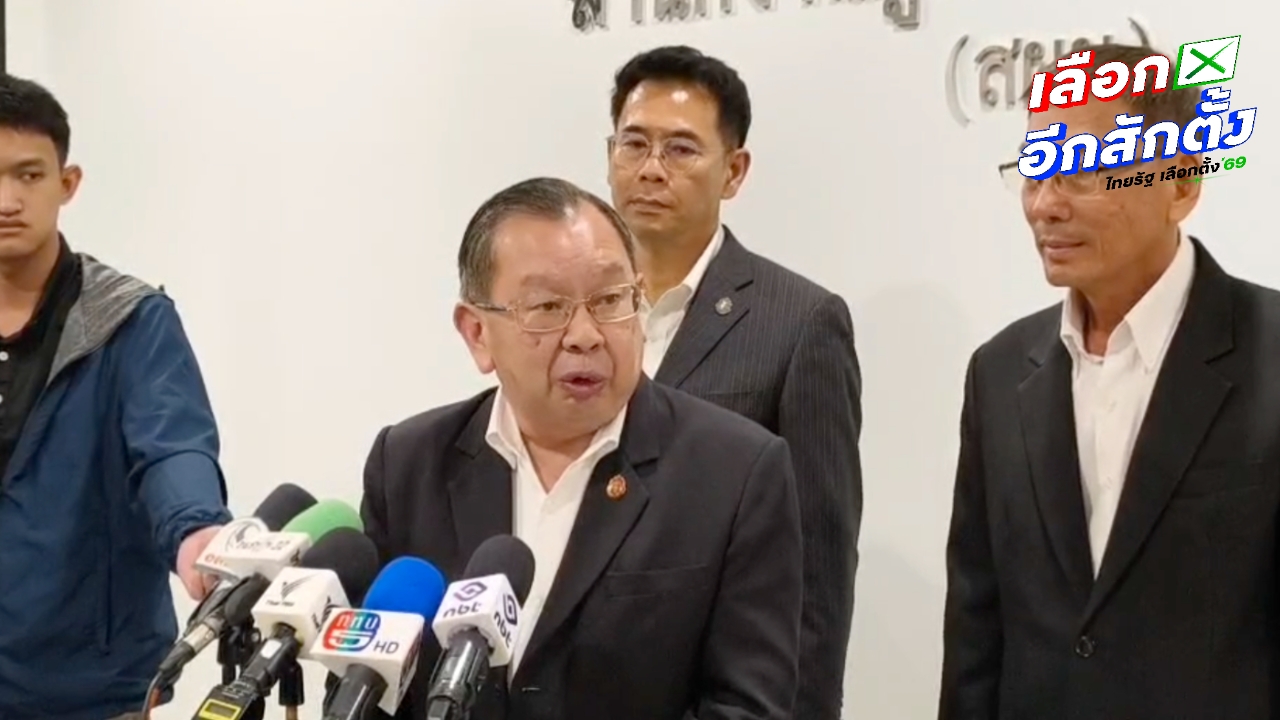
The Ombudsman revealed that there are already 40 complaints concerning the 2026 election, which are being carefully analyzed within a 60-day period. Thongsak emphasized that the review is conducted strictly within the Ombudsman's authority, with the possibility of filtering and forwarding cases to the Constitutional Court if conditions are met.
At 10:00 a.m. on 11 March 2026 at the Ombudsman's office, Thongsak Saicheua, Ombudsman Chairman, was interviewed regarding complaints about the 2026 election. He said the complaints are currently under consideration. Regarding the Election Commission's clarification requests, they need time for internal review and data analysis. He is confident the matter is handled carefully and fairly for all parties. He added that while multiple complaints have been received, it is not yet known whether they will be consolidated or submitted together. If cases with similar content, information, and evidence are submitted, they may be sent simultaneously. Once submitted, a public announcement will be made.
Regarding speculation that the Ombudsman waits until the full 60-day period before allowing the public to file lawsuits with the Constitutional Court, Thongsak said such questions should be directed to those raising the concern, as he cannot answer for them. He noted that over 30 days remain, and the process will finish whenever it does, but within the 60-day timeframe.
As for complaints about whether the election violated the constitution, there are currently 40 cases in total. About 20 involve violations of rights and freedoms, over 10 concern hardships, and others include issues such as the Terms of Reference with barcodes. Since receiving complaints from the first day, the information has been analyzed promptly. Regarding complaints seeking to nullify the election due to lack of secrecy, this is beyond the Ombudsman's jurisdiction.
Asked whether the power to annul the election lies with the Constitutional Court, Thongsak replied he does not know. The Ombudsman only reviews complaints received and those within its authority, effectively serving as a filtering stage before cases reach the Constitutional Court.
When asked if determining whether the election was conducted secretly falls under the Ombudsman's authority, Thongsak said it depends on whether procedures comply with regulations and the constitution.