

The Ombudsman is moving forward with reforms to nominee laws concerning agricultural product warehouses, planning to discuss coconut warehouse issues with Supachai this afternoon. Preparations are in place to issue Prime Minister’s Office regulations as short-term measures and to investigate foreign nationals exploiting rights to register businesses.
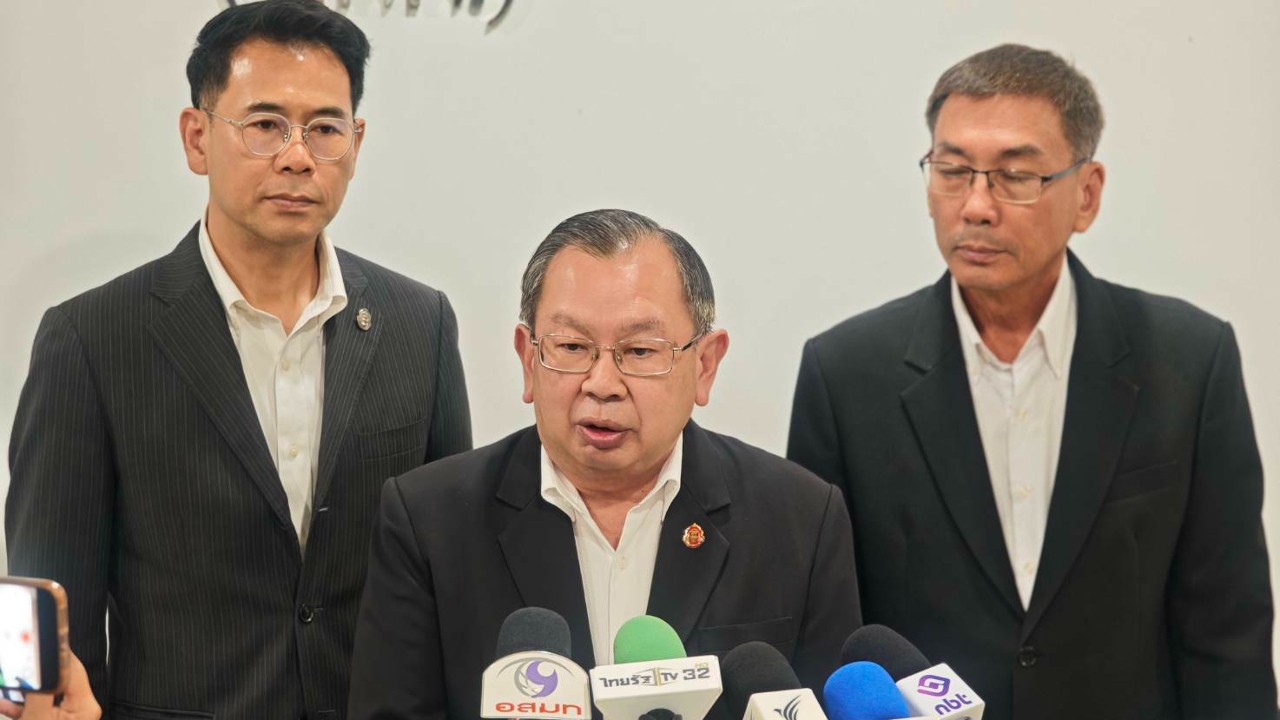
On 11 March 2026 GMT+7, Mr. Songsak Saicheua, Chairman of the Ombudsman, spoke about resolving the issue of Thai coconut warehouses exploited by foreign nominees. He said the Ombudsman would meet this afternoon with the Minister of Commerce to advance this matter, especially regarding coconuts, following a complaint received just yesterday.
Next week, there will be meetings and field visits. Initially, some information has been gathered, including the arrest of suspects linked to seven to eight foreign nominee coconut warehouses, marking a crucial starting point. The Ombudsman intends to act quickly because if nominee companies monopolize coconut purchasing, it will harm Thai stakeholders, including coconut farmers and operators. He emphasized that nominee issues are a top priority and that sustainable coconut farming must also be addressed urgently.
Regarding past efforts by several governments to tackle foreign warehouses and similar problems affecting many Thai agricultural products, which have seen limited success, Mr. Songsak said the Ombudsman plans to propose comprehensive systemic reforms. They will examine warehouse operations nationwide to identify vulnerabilities allowing foreign exploitation, covering the entire chain from purchasing and transportation to end markets. If these systems are not controlled by Thais, a complete overhaul will be necessary. This applies not only to coconuts but also to other fruits such as durians and mangosteen. He stressed that Thais are capable of managing this effectively.
Mr. Songsak added that closing these loopholes will require discussions with multiple agencies and gathering input from all sectors, including farmers and business operators. The timeline aims for swift action, and relevant agencies will be monitored to ensure prompt implementation. Meetings and field visits will help clarify the situation further.
Regarding amendments to the land code, if foreign nominees are found buying land, the property must revert to the state, with criminal penalties for both Thai and foreign shareholders. The Land Department has already submitted draft legislation to the Cabinet. Once reviewed, the Ombudsman will expedite enforcement so there will be effective tools to manage nominee issues.
Overhauling the entire system and enacting new laws represent long-term solutions. For urgent short-term fixes, the Ombudsman must collaborate with law enforcement agencies. Currently, nominee laws lack clarity; for example, arrests of nominee warehouses rely on other laws like land and building regulations.
Therefore, the Ombudsman plans to propose administrative measures for ongoing enforcement, especially from the business registration stage through post-registration monitoring. This includes verifying whether businesses operate as declared and determining how many company executives are foreigners. If all five executives are foreign, it can be inferred that the company is not truly Thai. Previously, there was no such verification. They may also check business registration capital over the past three to five years to ensure funds were not just deposited on registration day. Coordination with the Anti-Money Laundering Office will be necessary to verify the source of funds. The authority to manage companies, as outlined in land and foreign business laws, must be strictly enforced.
Mr. Songsak noted that the Ombudsman is pushing for the issuance of Prime Minister’s Office regulations first to establish a national mechanism for addressing related legal issues, which should not take long. Beyond legal and administrative reforms, parallel efforts are needed to develop grassroots economies in communities to strengthen them and reduce reliance on foreign capital.