

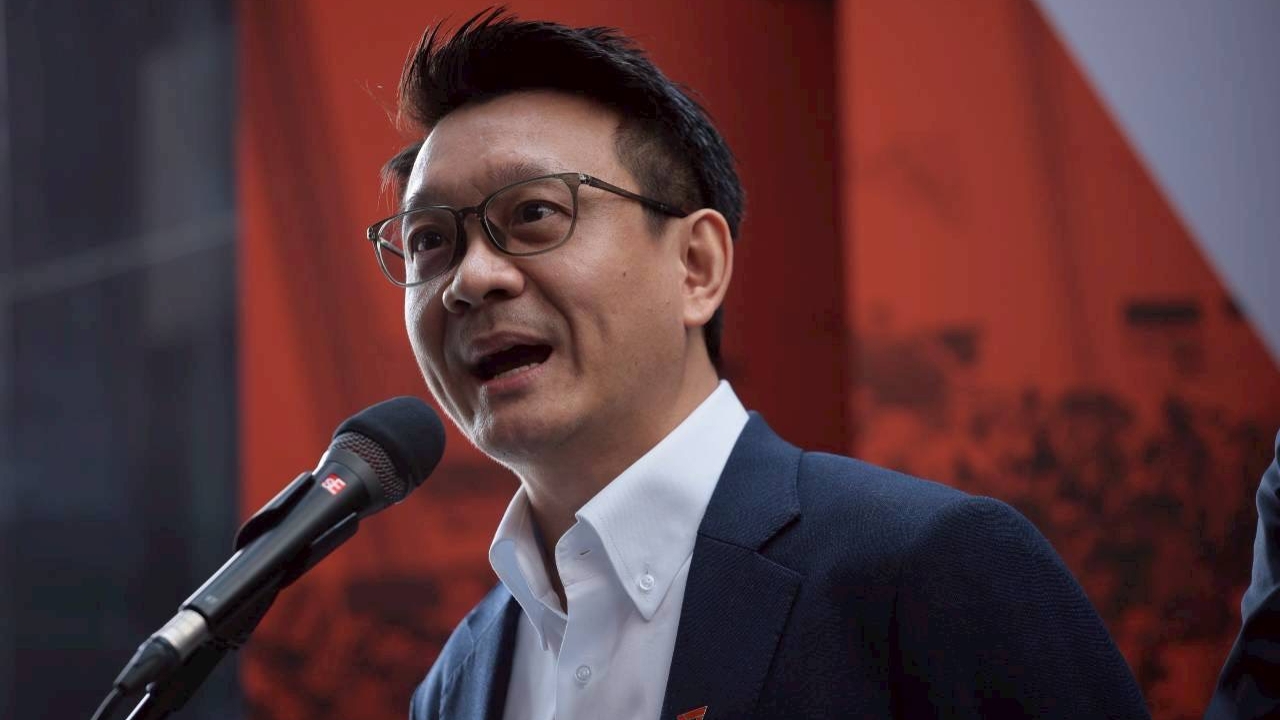
Veerayut criticized the government for only listening to major oil companies, proposing urgent government measures to solve the problem, insisting that the public must be clearly informed about where they can buy fuel, and calling for readiness to handle volatile product prices. He noted this crisis as a test of powerful local interests and influence.
At 10 a.m. on 17 Mar 2026 GMT+7, at the People’s Party (PChon), Veerayut Kanchuchat, a party-list MP and deputy leader of the PChon, held a press conference criticizing the government’s energy management amid Middle East conflicts. He noted that an emergency meeting of the Center for Management and Monitoring of the Middle East Conflict Situation (CM3ECS) included only 5-6 major oil companies. When these operators said there was enough fuel, Deputy Prime Minister and Finance Minister Akniti Nitithanprapas briefed the media. Veerayut said the government listens only to the big oil firms, while small fuel stations bear costs, and harvest-season farmers needing fuel cannot bring jerrycans to stations. These voices are ignored.
Revealed: Powerful local networks competing to fill fuel at stations.
Veerayut added that this fuel management round will test powerful local interests and technocrats, the two key components of the Bhumjaithai Party government. How fairly they work amid public hardship is crucial. Deputy Prime Minister Pipat Ratchakitprakarn, who directs CM3ECS and has family interests in the oil industry, faces a national problem: previously, oil operators refueled from wholesalers, but now pump prices are cheaper, causing fuel to be diverted from stations away from the general public. Locally, powerful networks and business groups also compete with citizens for fuel.
“In many provinces, small consumers line up for fuel but never get any, while powerful business networks cut the queue and fill up immediately. This tests Prime Minister Anutin Charnvirakul’s government: in crisis, will powerful interests survive first, or will fairness be given to small businesses and locals? It also tests the technocrats: will they work for the people or concede to influential interest groups?” Veerayut said.
He called for urgent measures.
Meanwhile, Supachot Chaisat, a party-list MP from the People’s Party, said the party is not idle. After nationwide surveys, they concluded three points: 1) the public lacks fuel to fill, 2) oil operators face quota restrictions, and 3) electricity costs may rise. The government can immediately alleviate living costs by reducing electricity rates for vulnerable groups, a campaign promise that should be implemented in the upcoming bills. They also call for increased quotas for purchasing electricity from solar power to reduce LPG-based generation, along with demand response programs that can incentivize large electricity users and factories to reduce production at the source. Urgent measures should be enacted promptly.