

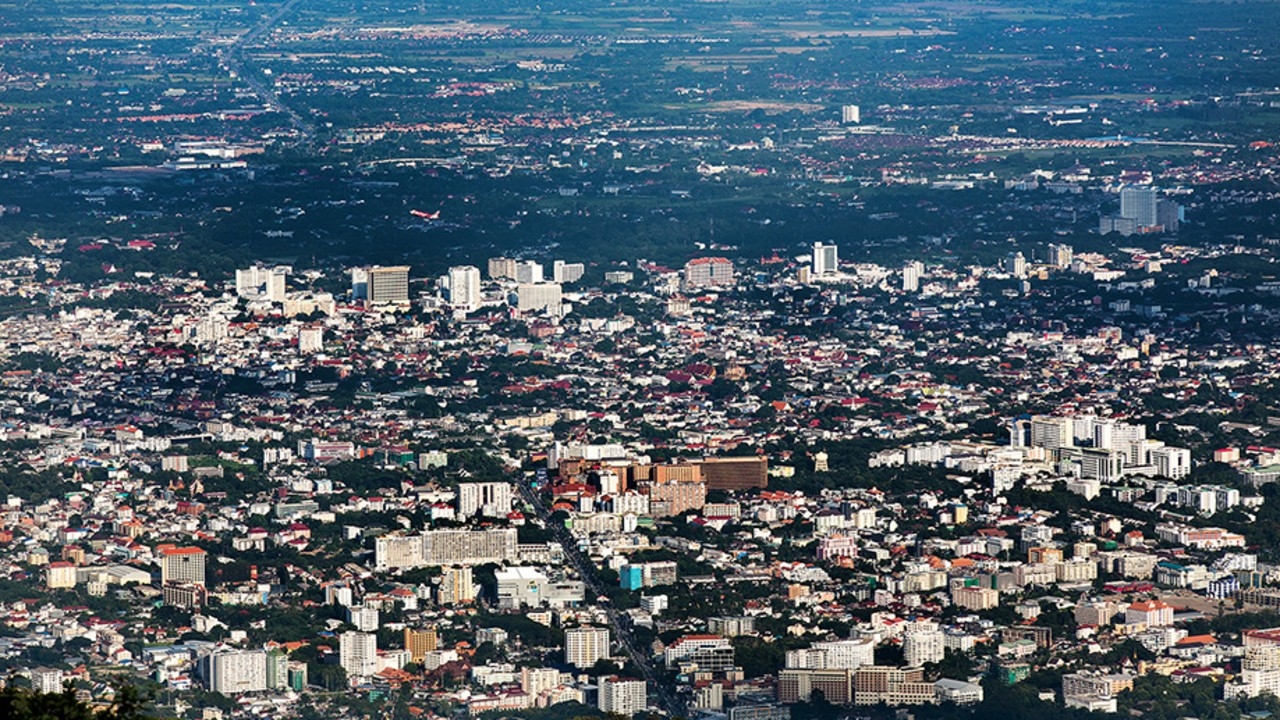
The government approved the revised Chiang Mai city plan, covering seven districts around the city, with 15 zoning categories and construction of 18 new roads to build a sustainable city alongside conservation efforts.
On 17 Mar 2026 GMT+7, Ms. Lalida Pertwittayatan, Deputy Spokesperson of the Prime Minister’s Office, announced that the Cabinet approved the draft announcement from the Ministry of Interior regarding the enforcement of the Chiang Mai city master plan. This plan aims to establish a foundation for systematic development of Chiang Mai province and its surrounding areas. The plan covers approximately 1,428.90 square kilometers across seven key districts: Mueang Chiang Mai, San Sai, Mae Rim, Hang Dong, Saraphi, and parts of Doi Saket and San Kamphaeng. Key points include:
The Deputy Spokesperson added that the land zoning system has been enhanced, increasing the land-use categories to 15, including four new types such as very high-density residential land and forest conservation land, to clearly separate urban zones from natural areas. For transportation, 18 new road routes were approved to open up areas for new economic development, while seven existing roads inconsistent with current conditions were canceled. Environmental controls were strengthened to prohibit operations that impact communities, such as oil and gas depots or slaughterhouses in designated areas. Industrial factory regulations were also tightened.
Ms. Lalida stated that the main objective of this city plan is to balance Chiang Mai’s role as the economic center of northern Thailand with the preservation of its culture and environment. The plan was developed following comprehensive public consultations in accordance with the 2019 City Planning Act. The Cabinet also directed the Ministry of Interior to carefully consider feedback from the Ministry of Transport and the Office of the National Economic and Social Development Council (NESDC) to ensure the plan effectively enhances the quality of life for Chiang Mai residents over the long term and protects the city’s unique cultural heritage.