

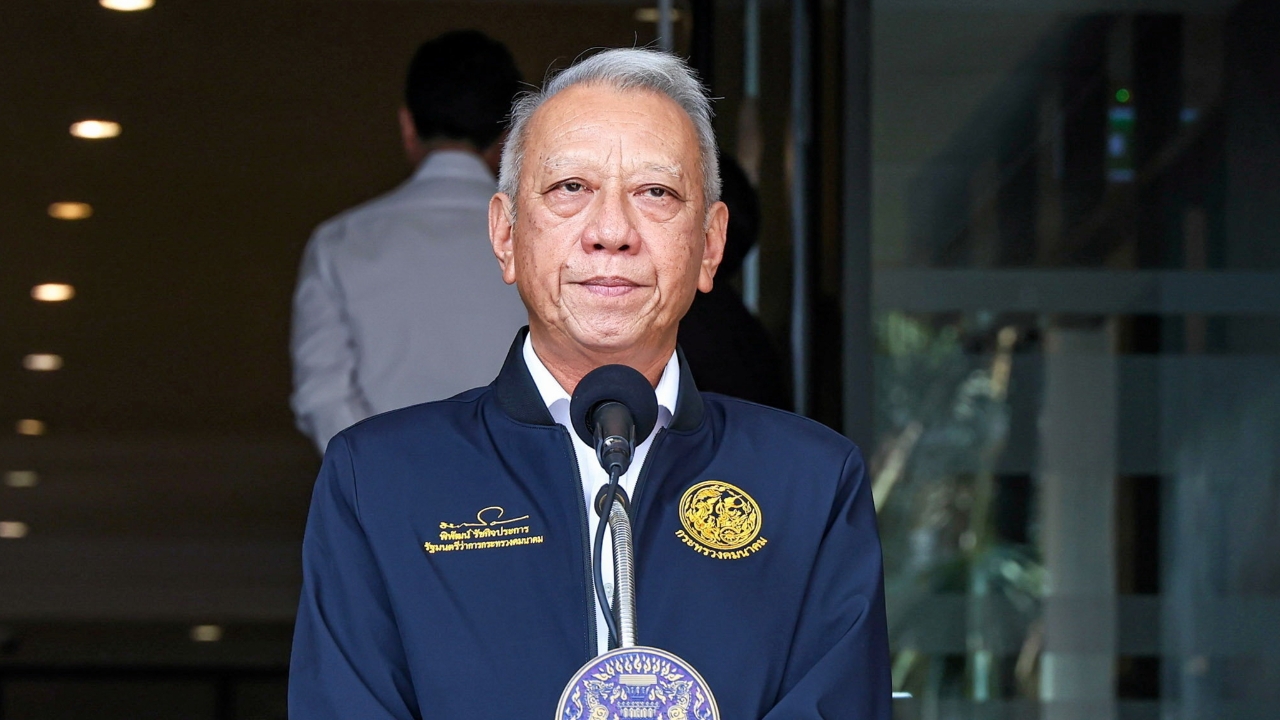
Phiphat discussed with the Crisis Management Center and approved the continuation of energy crisis response measures after 15 days, assuring minimal impact on citizens and businesses. He instructed the Ministries of Foreign Affairs, Energy, and Commerce to jointly provide explanations to build public confidence.
At 16:10 on 17 Mar 2026 GMT+7, at Phakdi Bodin Building, Government House, Mr. Phiphat Ratchakitprakarn, Deputy Prime Minister and Minister of Transport, in his capacity as director of the Crisis Management and Monitoring Center for the Middle East conflict, chaired a meeting of the Center. Commerce Minister Supachai Suthumpun, Energy Minister Atthapol Rerkpiboon, and related agencies participated.
Mr. Phiphat informed the meeting that due to the highly uncertain conflict in the Middle East, there could be direct impacts on global economic stability, especially concerning the closure of the strategically important Strait of Hormuz, a key oil transport route. If the situation persists, it will inevitably affect both the global and Thai economies.
Mr. Phiphat stated that since the outbreak of the Middle East conflict, the government has closely monitored and assessed the situation, continuously setting measures to alleviate hardships for the public and businesses, particularly energy-related measures to stabilize commodity prices and manage living costs. This included a 15-day diesel price freeze that ended today. Given rising fuel subsidy burdens, today's meeting aims to establish a systematic approach to managing national oil prices going forward, carefully considering impacts on the public, businesses, and oil operators, as well as other factors, to ensure stable energy policy without imposing undue burdens.
Mr. Phiphat added that to foster understanding and confidence in these measures, the government emphasizes that the Ministries of Foreign Affairs, Energy, and Commerce participate in Crisis Management Center press briefings to communicate facts, report on the situation, and inform the public and business sectors about ongoing measures every time.